FJZS Valve Logo
FJZS Valve Logo

Control Valve Manufacturer in China

We provide control valve manufacturing and selection support for the chemical, oil and gas, power, water treatment, and industrial process sectors. We determine the appropriate valve body, internal components, and actuator configuration based on your service media, flow rate, pressure differential, temperature, pressure, and control signal.

Control Valve Manufacturer in China

Control Valve Product Range

Control valves are not simply on-off valves for piping systems. They regulate flow, pressure, temperature, or liquid level within a system by adjusting the valve opening.

Therefore, when selecting a control valve, you cannot rely solely on specifications such as DN, PN, or Class. You must also consider the service medium, maximum/normal/minimum flow rates, upstream pressure, downstream pressure, temperature, and control method to determine the valve body design, flow characteristics, internal components, and actuator.

Globe Control Valve

Globe Control Valve

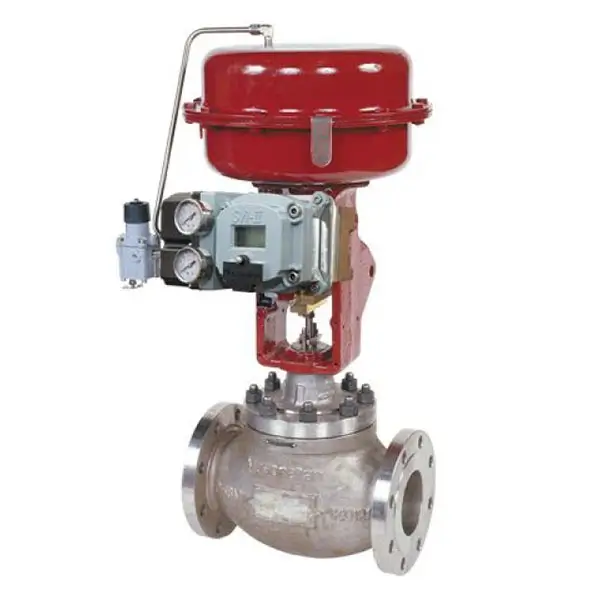
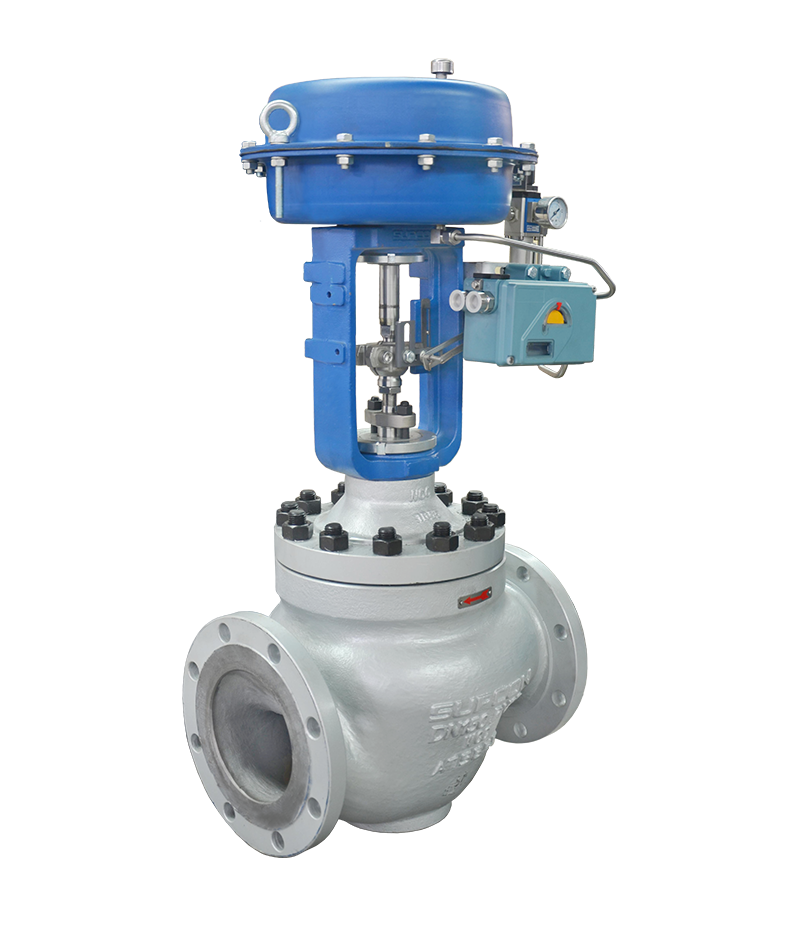
The Globe Control Valve is a common type of control valve used in industrial process control. The plug moves along the stem, controlling flow by altering the flow area between the plug and the seat.
Cage Guided Control Valve

Cage Guided Control Valve

This design improves the stability of the plug’s movement and, through different trim designs, can accommodate various pressure differentials, noise levels, and flow control requirements.
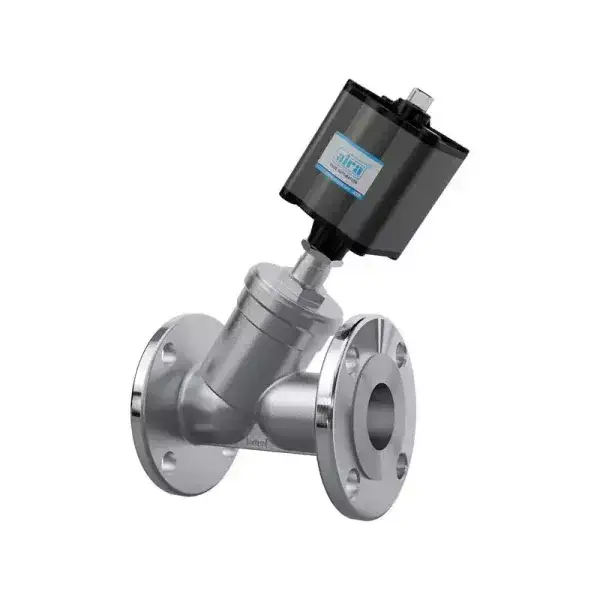
Angle Control Valve

Angle Control Valve

The inlet and outlet of an angle control valve are arranged at an angle of approximately 90°, allowing it to simultaneously divert and regulate fluid flow.
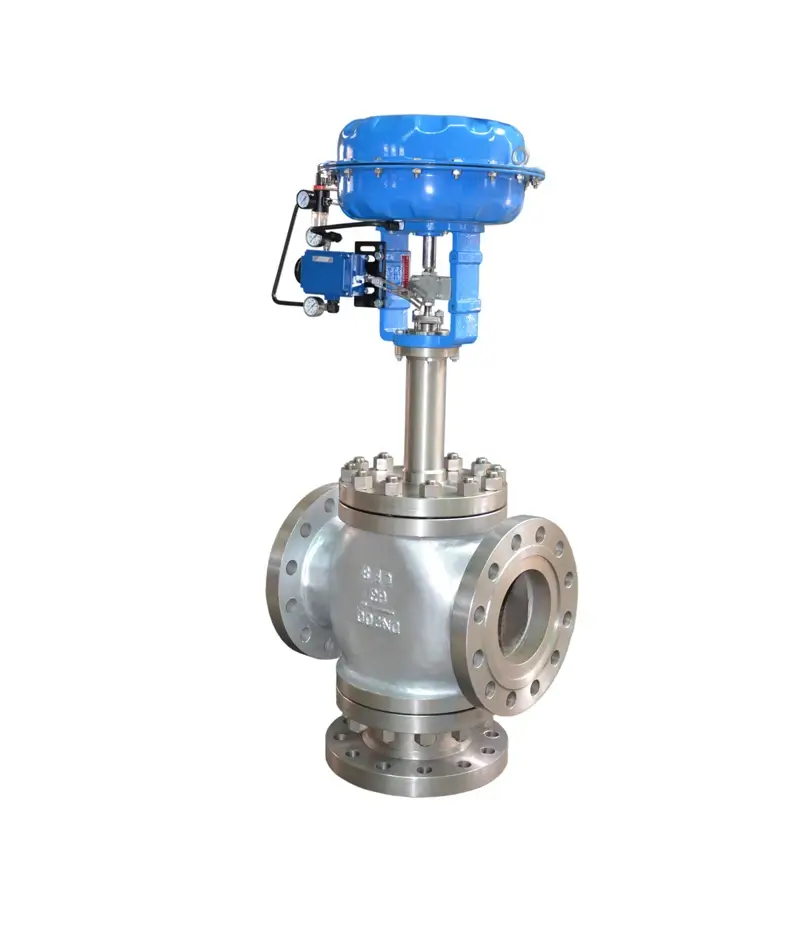
Three-Way Control Valve

Three-Way Control Valve

Primarily used for mixing or diverting flows. When selecting a three-way control valve, it is necessary to first determine whether the application requires mixing or diverting.
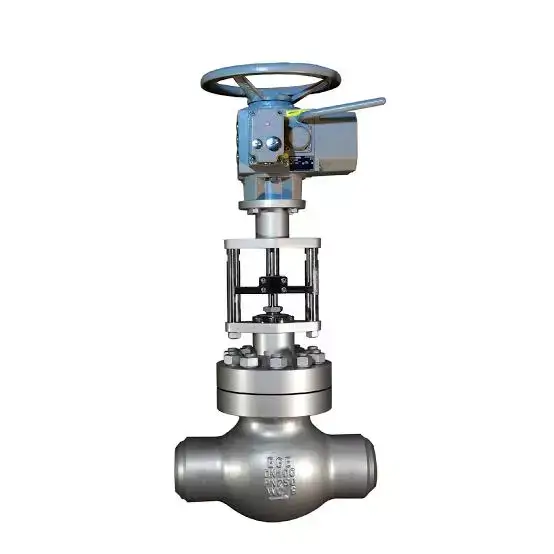
High-Pressure Control Valve

High-Pressure Control Valve

High-pressure control valves are used in industrial processes with high design pressures or pressure differentials.
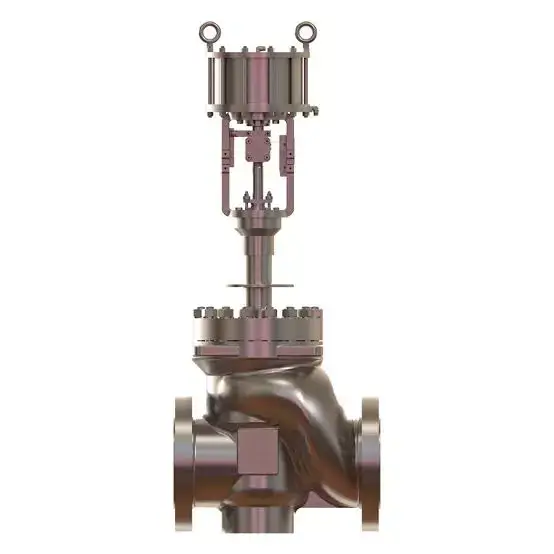
Anti-Cavitation Control Valve

Low-Noise / Anti-Cavitation Control Valve

A special trim configuration is used to achieve staged pressure reduction or flow rate control, thereby minimizing the impact of severe operating conditions on the valve internals.
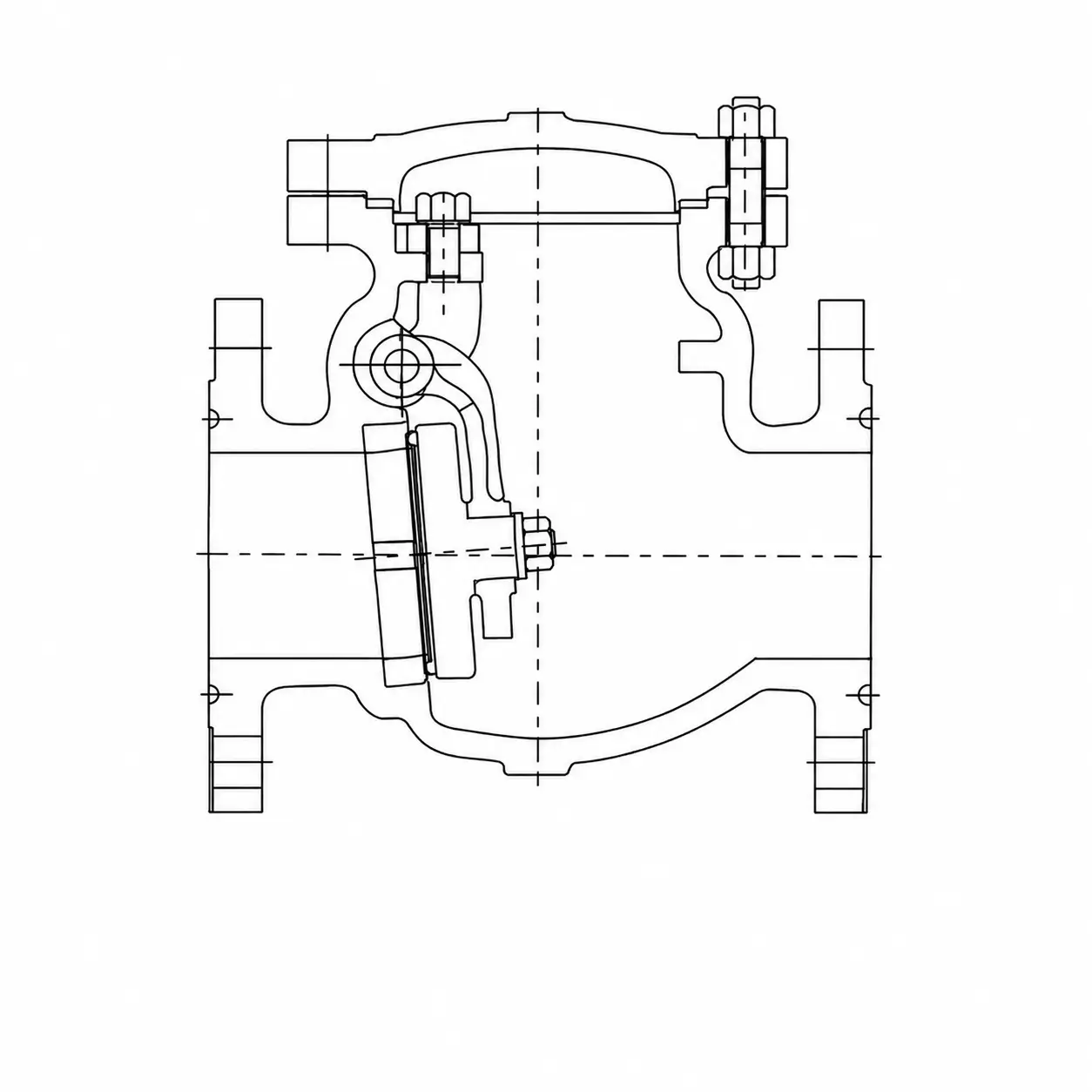
Custom Check Valve Design

Pound-Class Check Valve Drawing

Pound-Class Check Valve Drawing

Vertical Check Valve Drawing
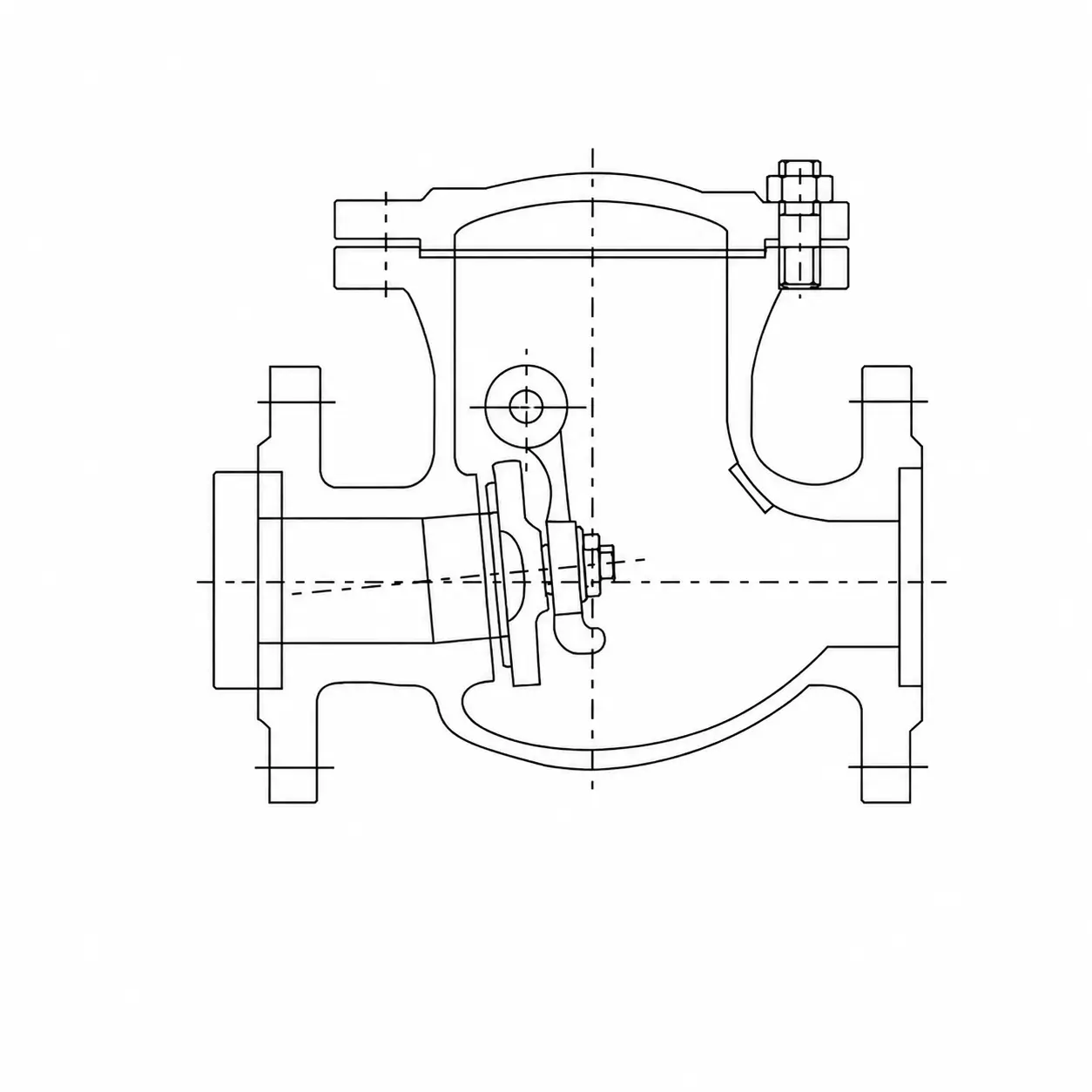
Vertical Check Valve Drawing

ANSI Swing Check Valve Drawing

Swing Check Valve Drawing
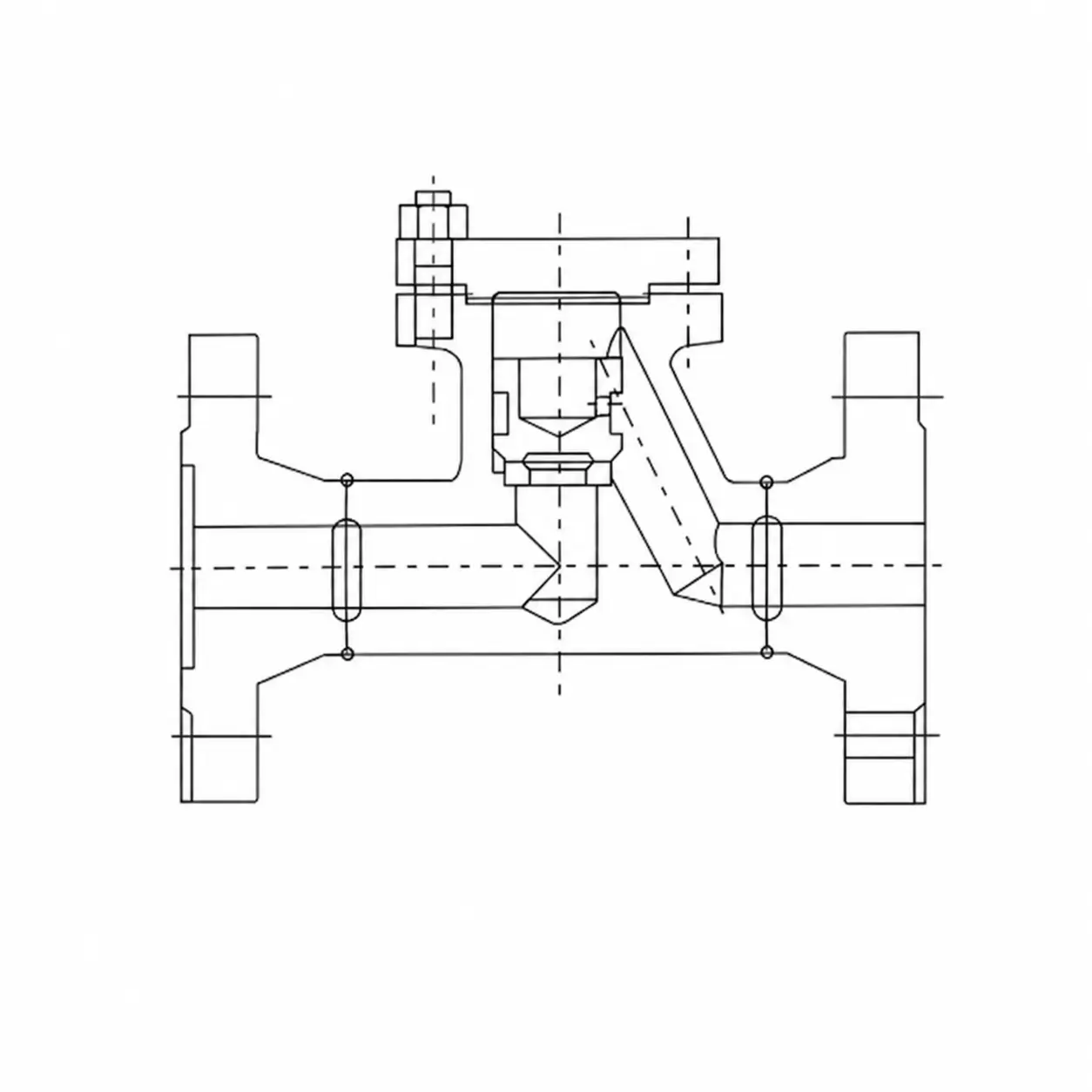
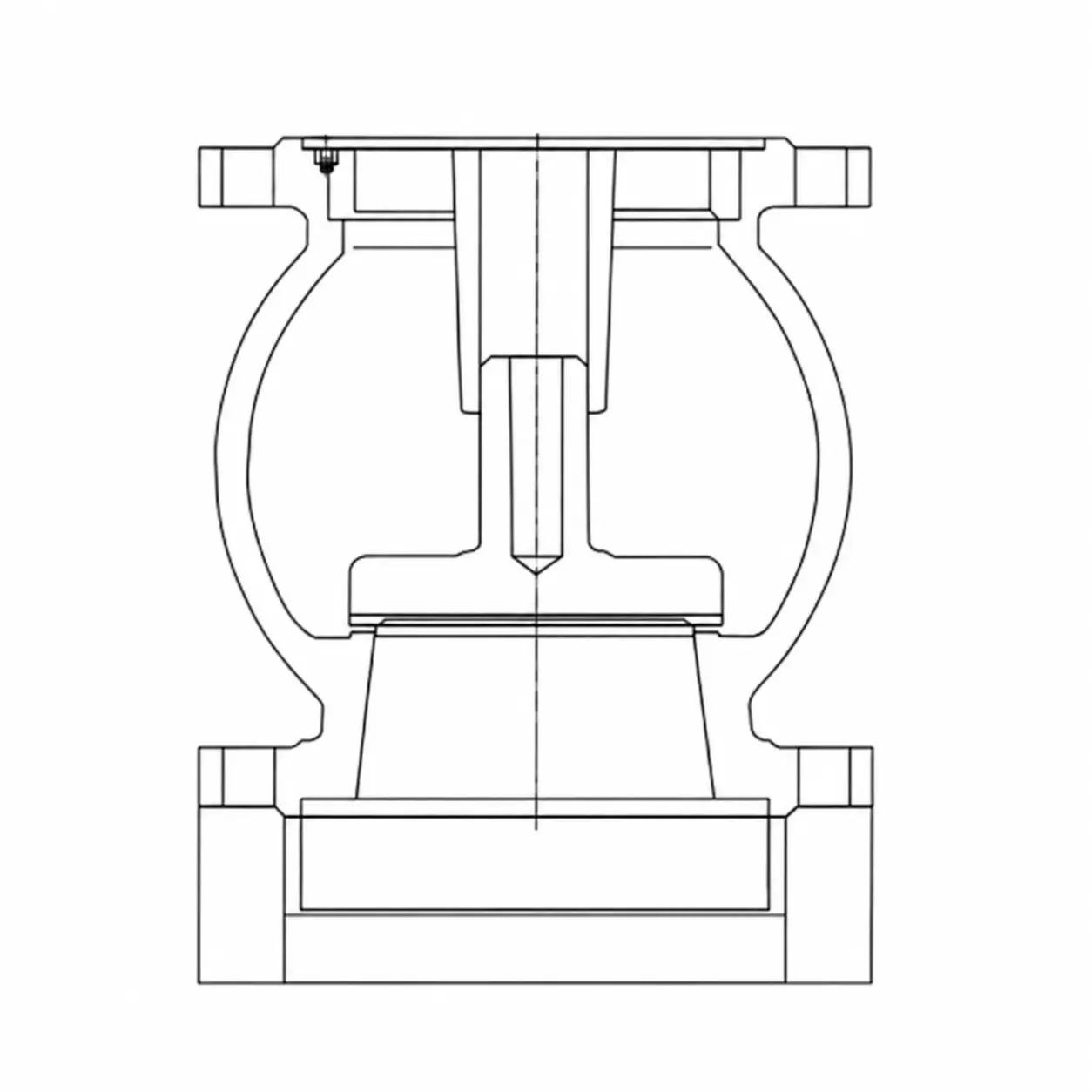
Lift Check Valve Drawing
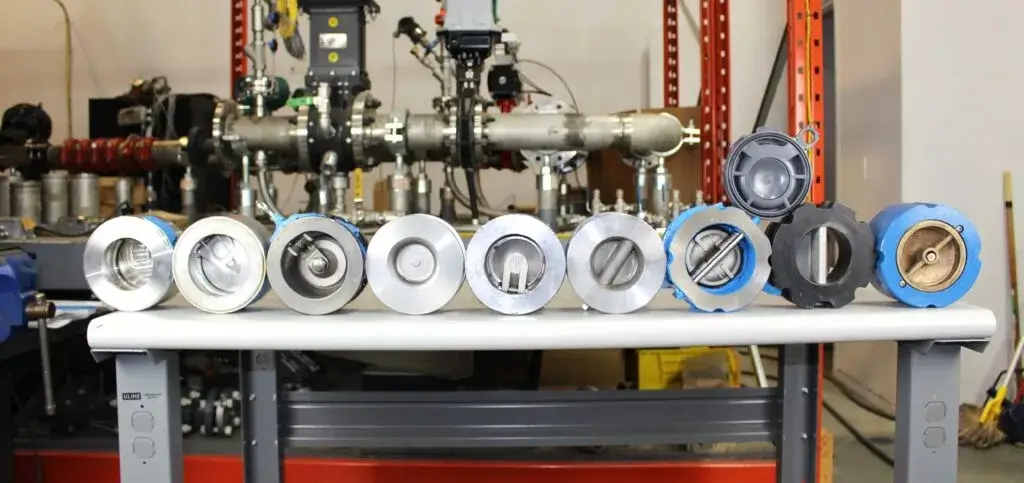
Lift Check Valve Drawing
Actuation and Positioner Options

The performance of a control valve depends not only on the valve body and internal components; the actuator and positioner also directly affect control accuracy, response speed, and fault conditions.

When selecting an actuator, you need to match it to the valve size, pressure differential, required thrust or torque, operating speed, and on-site power supply conditions. The positioner, on the other hand, must be configured based on the control system signals, accuracy requirements, and the on-site instrumentation system.

Check Valve Materials Selection

How We Select the Actuator and Positioner

Selection Parameter Why It Matters
Valve Size Determines the basic valve construction, travel, and actuator connection requirements.
Inlet / Outlet Pressure Helps determine the pressure forces acting on the trim and the actuator force required.
Maximum Differential Pressure Directly affects the thrust or torque needed to move and shut off the valve.
Valve Trim Different plug, seat, and trim designs create different force and control requirements.
Shutoff Requirement Higher shutoff demands may require additional actuator force to achieve reliable valve closure.
Available Air Pressure Determines the available output force of a pneumatic actuator and influences actuator sizing.
Control Signal Determines the required positioner type and how the valve interfaces with the control system.
Fail Action Defines whether the valve should fail closed, fail open, or remain in another specified safe position.
Stroke / Travel Must match the valve movement range so the actuator and positioner can control the valve correctly.
Ambient Conditions Temperature, corrosion, hazardous areas, and outdoor exposure can affect actuator and accessory selection.
Engineering Note: The actuator should be sized according to required thrust or torque, differential pressure, shutoff condition, available power source, and fail-safe requirements — not valve size alone.
Pressure Class Nominal Pressure (PN)
Low Pressure Class PN1.6
Medium Pressure Class PN2.5 / PN4.0
Higher Pressure Class PN6.4
High Pressure Class PN10 / PN16

Materials and Process Applications

The material for control valves should not be selected based solely on whether it is “carbon steel or stainless steel.” You must also consider the corrosiveness of the medium, design pressure, design temperature, pressure differential, flow velocity, and the erosion of the valve internals.

Even with the same valve body design, completely different materials may be required for the valve body, plug, seat, and stem under different process conditions.

Our valve product portfolio covers a wide range of carbon steel, stainless steel, and alloy steel materials, allowing us to determine the appropriate combination of materials for control valves based on actual project conditions.

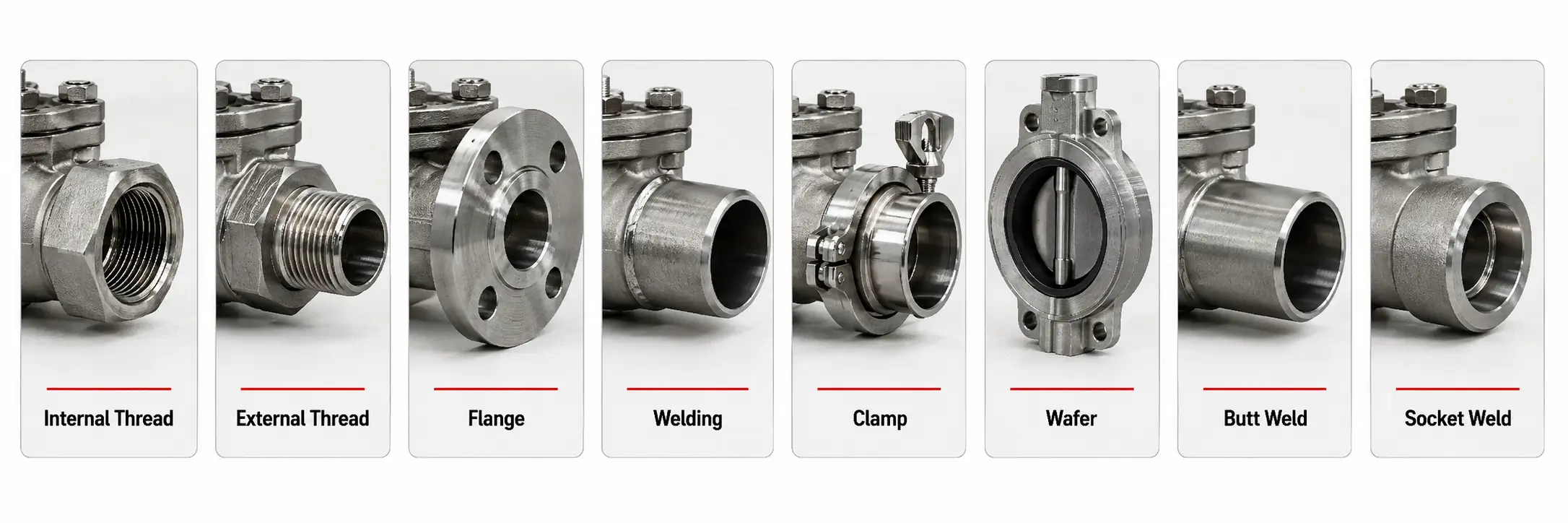
Various Connection Types

In industrial projects, control valves must comply with the corresponding connection methods and installation requirements.

Valve Various Connection Types

Control Valve Industry Applications

Our valves are designed for use with water, steam, oils, gases, and certain corrosive and specialty media, and are available in various material systems, including WCB, stainless steel, and alloy steel.

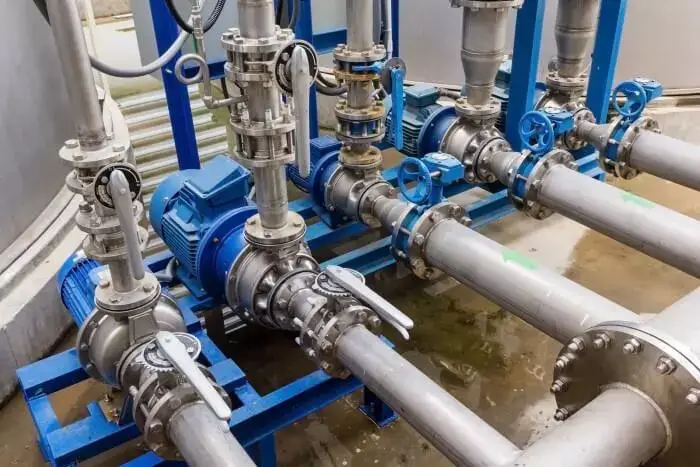
Water Treatment valve

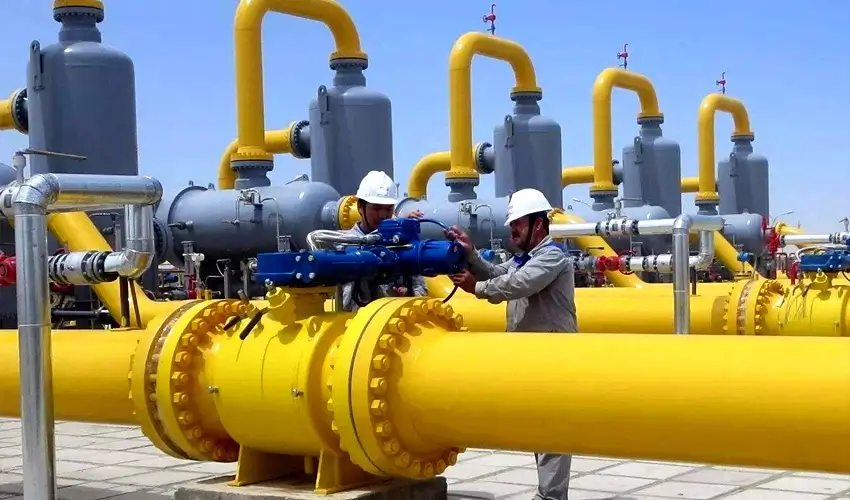
Oil & Gas

In oil and gas systems, control valves are used to regulate flow, pressure, and process conditions.

Common control tasks include:

  • Pipeline flow control
  • Pressure regulation
  • Tank inlet and outlet control
  • Process medium transfer
  • Oil heating and heat exchange circuits

In these applications, the selection process should focus on confirming the design pressure, pressure differential, medium temperature, leakage requirements, and failure mode.

valve for Oil and Gas Industry

Chemical & Petrochemical

Chemical processes place higher demands on material compatibility.

Control valves can be used for:

  • Chemical metering
  • Reactor feed control
  • Transportation of acidic and alkaline media
  • Pressure control
  • Process flow regulation
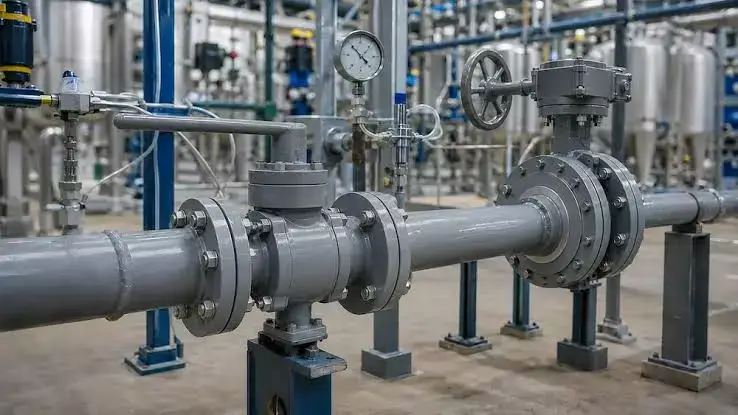
valve for Chemical Processing Systems

Power Generation & Steam Systems

Steam systems are a very typical application area for control valves.

Common applications include:

  • Steam Flow Control
  • Pressure Reduction
  • Boiler Systems
  • Heat Exchanger Control
  • Condensate / Utility Lines

For steam control valves, in addition to pressure and temperature, attention must also be paid to noise, flow velocity, pressure differential, and erosion of valve internals.

valve for Power Generation Systems

Water Treatment & Utilities

For water systems, in addition to ensuring flow control, it is important to consider the risk of cavitation under high pressure differentials when selecting control valves.

Common applications include:

  • Process Water
  • Cooling Water
  • Circulation Water
  • Boiler Feedwater
  • Utility Water
FJZS Valve Logo

Looking for the Right Valve?

Tell us your medium, pressure, temperature, valve size or application. Our team will help you find a suitable valve solution and provide a quotation.

Frequently Asked Questions About Control Valve

1. What Is a Control Valve?

A control valve is a type of valve that continuously adjusts its opening based on a control signal to regulate flow, pressure, temperature, or liquid level.

The main difference between a control valve and a standard on-off valve is:

A standard on-off valve only needs to be in the “open” or “closed” position, whereas a control valve must maintain a controllable and stable flow rate at different opening levels.

Therefore, when selecting a control valve, one cannot rely solely on the nominal diameter and pressure rating.

We recommend providing at least the following:

  • Medium
  • Minimum / Normal / Maximum Flow
  • Inlet Pressure
  • Outlet Pressure
  • Design / Operating Temperature
  • Pipeline Size
  • Material Requirement 
  • Control Signal
  • Fail Action

For gases or steam, the physical properties of the medium and operating conditions must also be confirmed.

Providing only DN100 and PN16 is insufficient for accurate control valve selection.

Control valves require Cv or flow capacity calculations based on actual process data; they cannot simply be selected on a one-to-one basis according to pipe diameter.

For example, a DN100 pipeline does not necessarily require a DN100 control valve.

If the control valve is oversized, it may operate at a very small opening for extended periods, affecting control stability.

If it is undersized, it may result in excessive pressure drop, insufficient flow, excessive flow velocity, and an increased risk of noise or cavitation.

Therefore, calculations should be based on actual flow rate and pressure differential.

Body Material refers to the material of the valve body and other major pressure-bearing components.

Trim Material refers to the material of internal parts directly involved in regulation and sealing, such as:

  • Valve Plug
  • Seat
  • Stem
  • Cage

When a control valve is in the throttling state, the areas near the valve plug and seat are often subjected to higher flow velocities and pressure differentials; therefore, the wear resistance, erosion resistance, and service life of the trim material are critical.

Therefore, just because the valve body material is appropriate does not necessarily mean the trim material is suitable.

Not necessarily, but positioners are commonly used in many industrial control applications.

The primary function of a positioner is to ensure that the actual position of the control valve more accurately follows the control system’s commands.

Positioners are particularly valuable when there is a large pressure differential, packing friction, high control accuracy requirements, or a need for control signals such as 4–20 mA.

Whether a positioner is needed depends on the specific control requirements of the project.

滚动至顶部