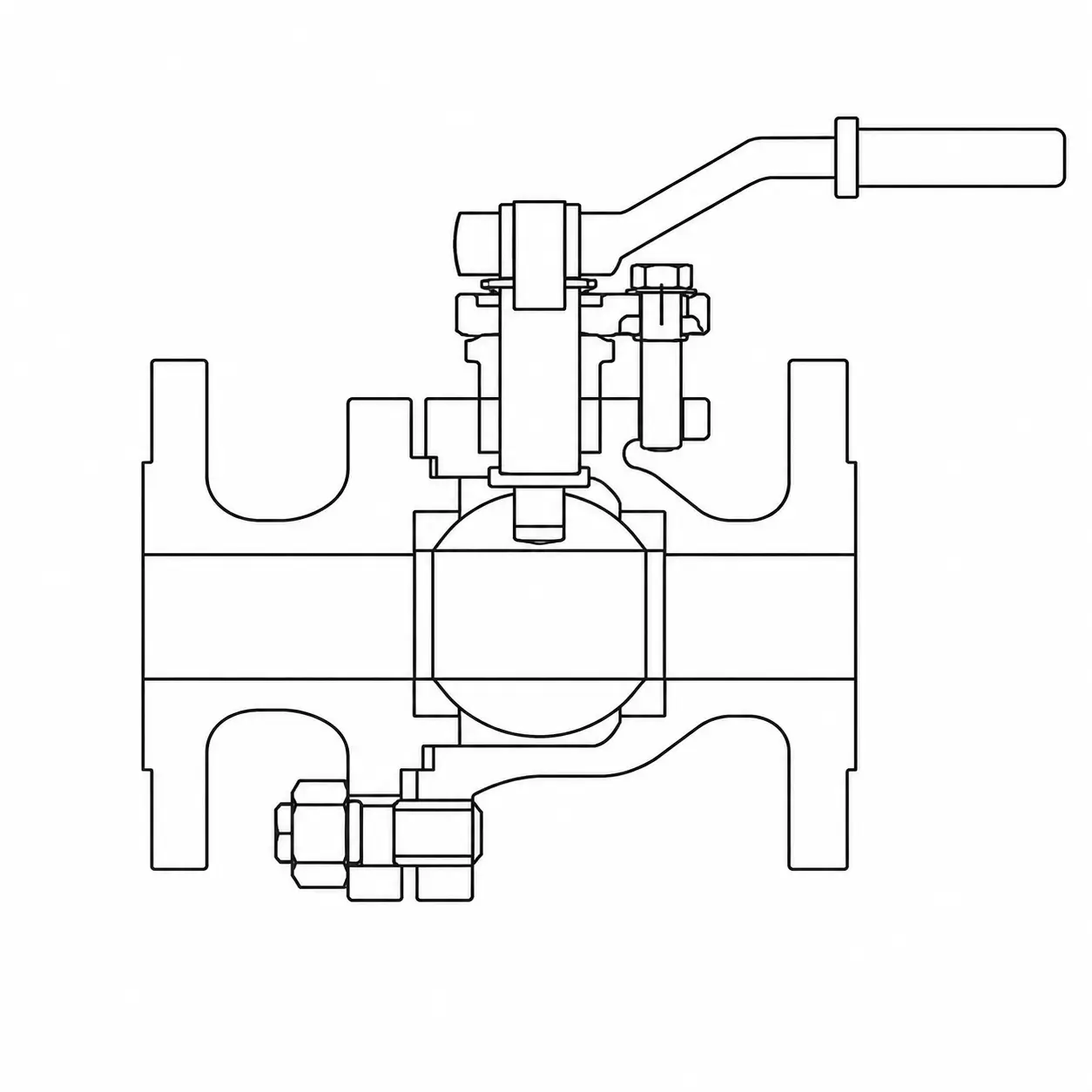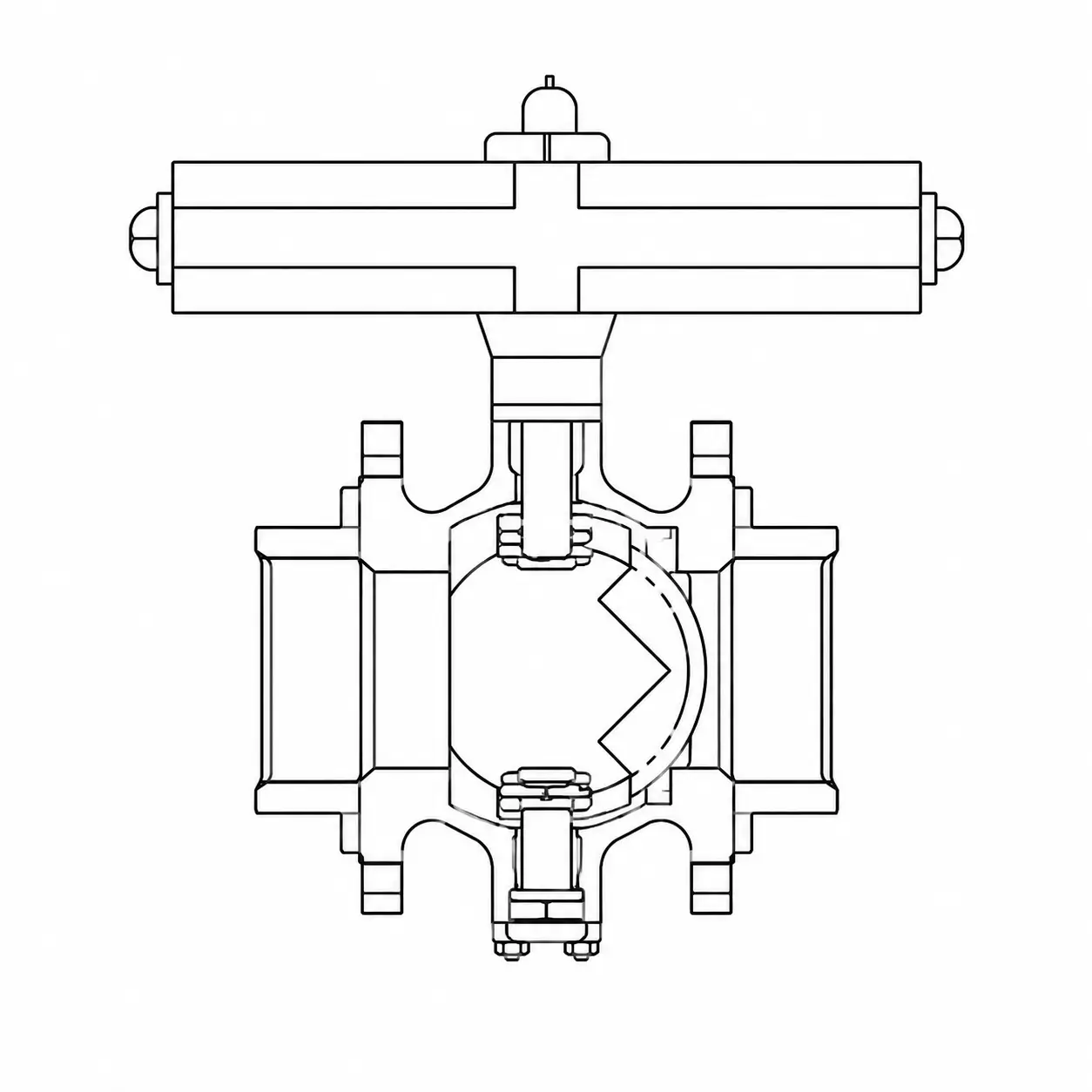
FJZS Valve Logo
FJZS Valve Logo

Ball Valve Manufacturer in China

We manufacture ball valves suitable for various industrial piping systems, including manual, worm gear, pneumatic, and electric control options.

From valve body materials, pressure ratings, and seat configurations to actuator setups, we determine the optimal ball valve solution based on your specific operating conditions, rather than selecting valves solely based on nominal diameter and price.

Ball Valve Manufacturer in China

Ball Valve Product Range

As a professional ball valve manufacturer in China, we offer a comprehensive range of ball valves designed to meet industrial piping control needs. Our product lineup includes manually operated and automatically controlled ball valves with various connection types, catering to applications in water treatment, chemical processing, oil and gas, and industrial equipment.

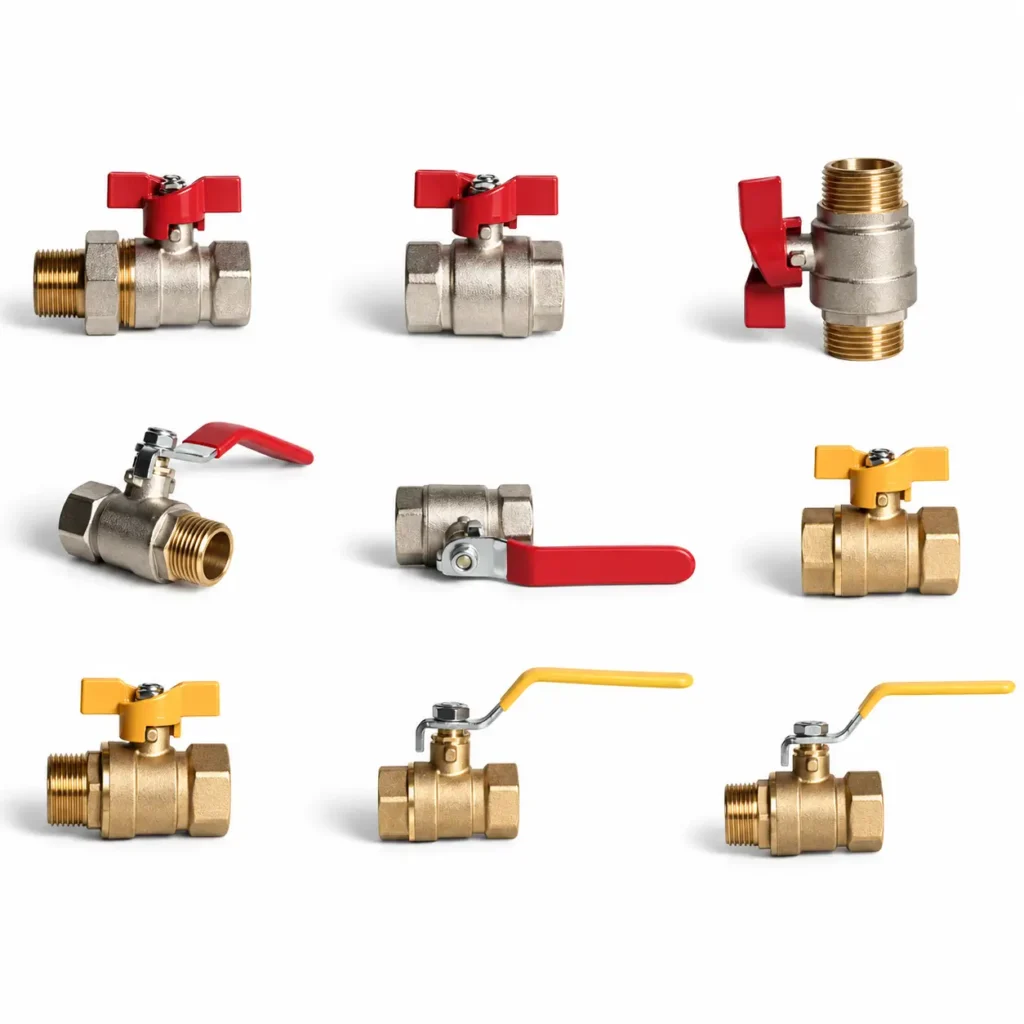
Internal Thread Ball Valve

Internal Thread Ball Valve

Featuring threaded connections, this product has a compact design and is easy to install, making it suitable for small-diameter piping systems.
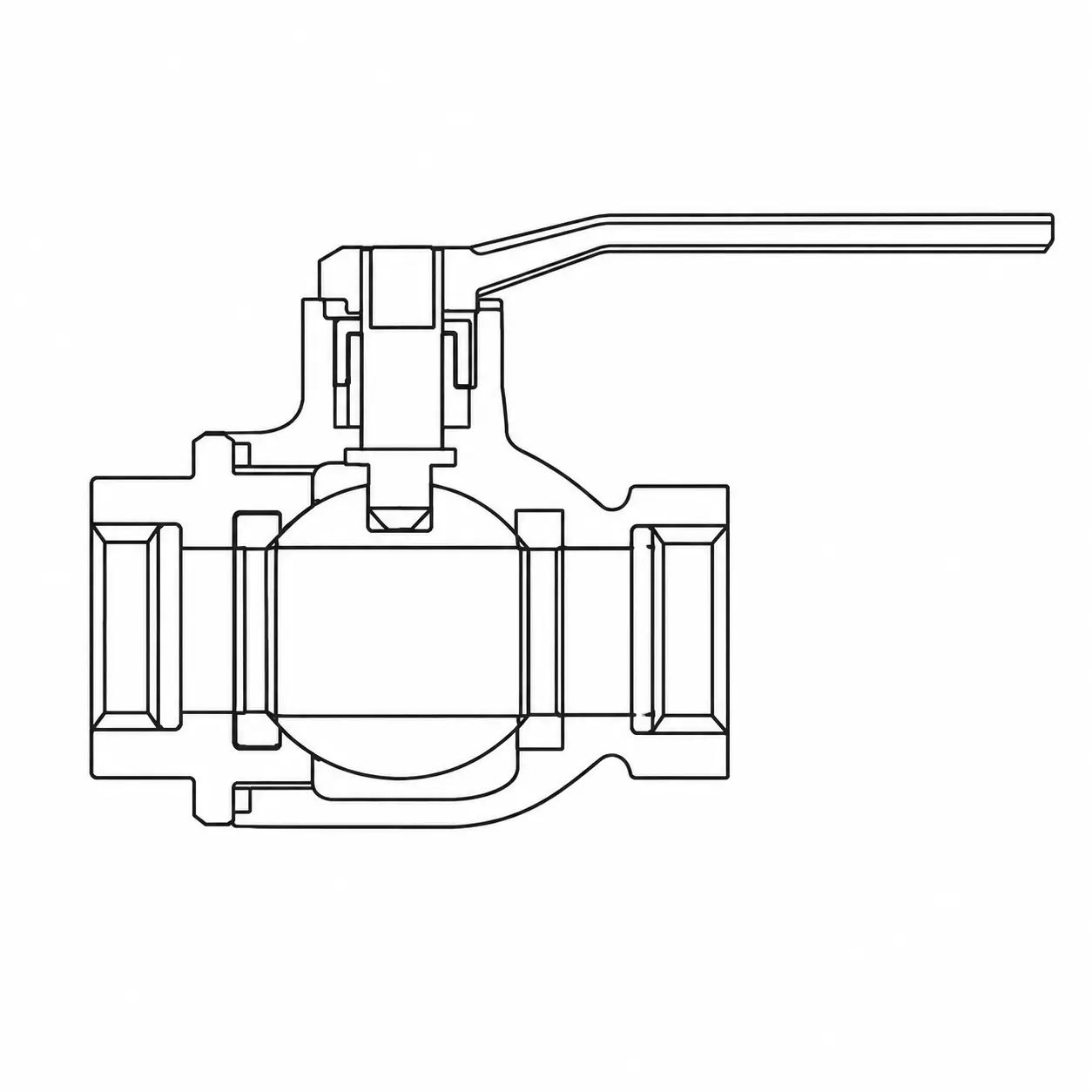
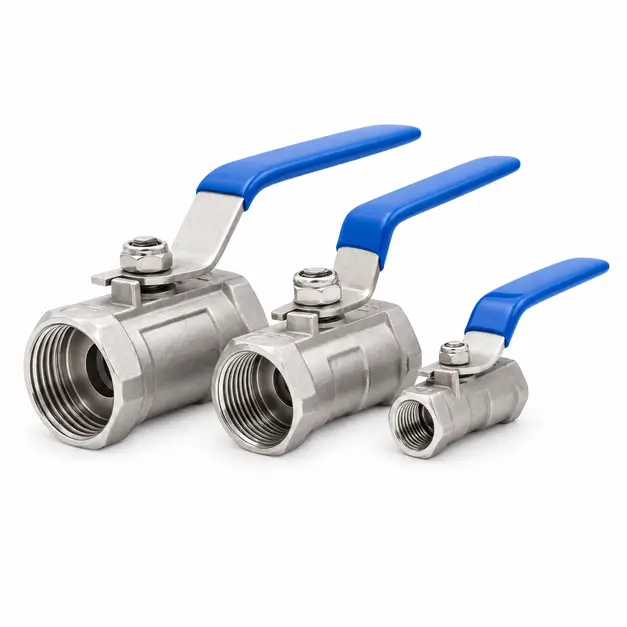
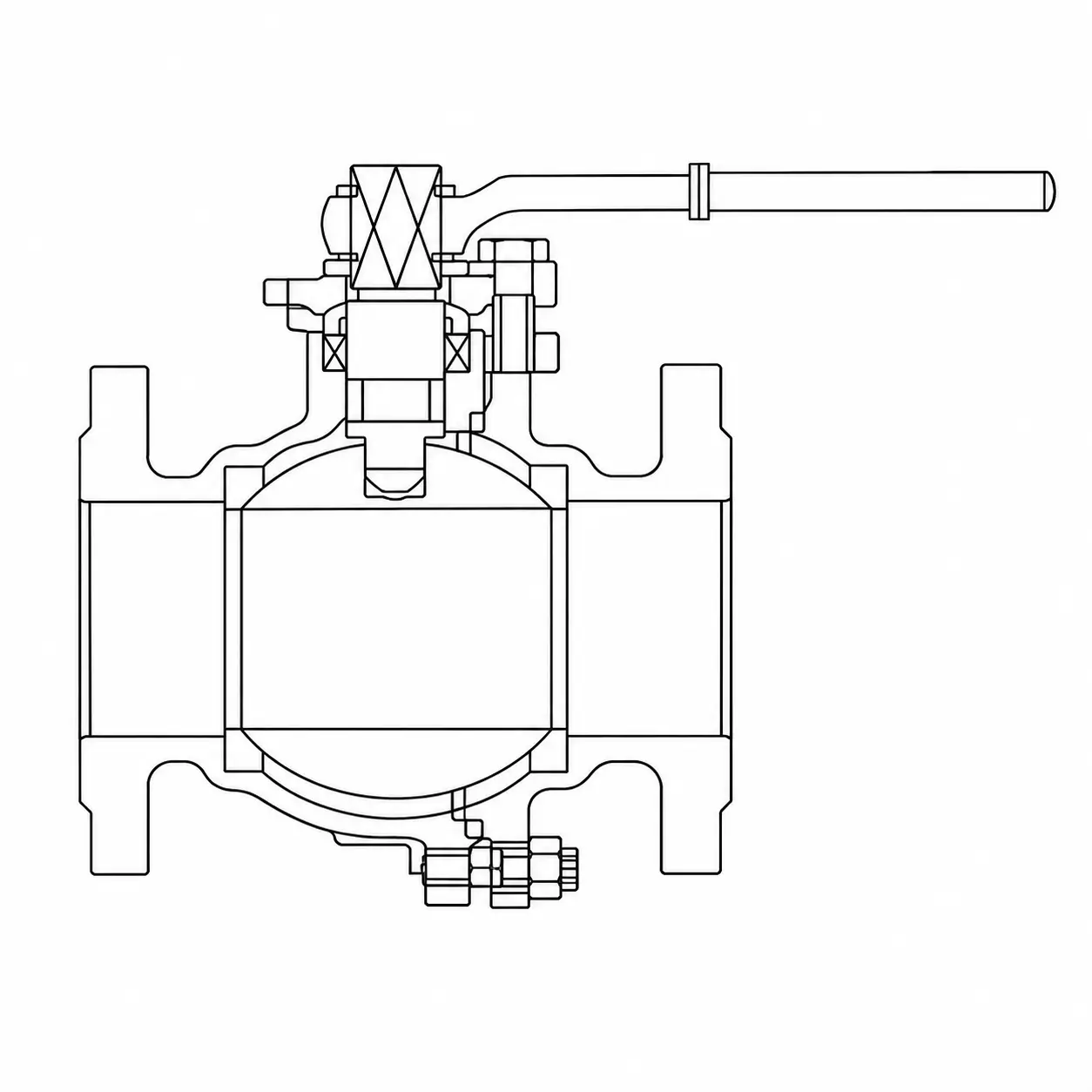
Manual Ball Valve

Manual Ball Valve

It is operated by a handle to turn it on and off, and features a simple design, intuitive operation, and easy maintenance.
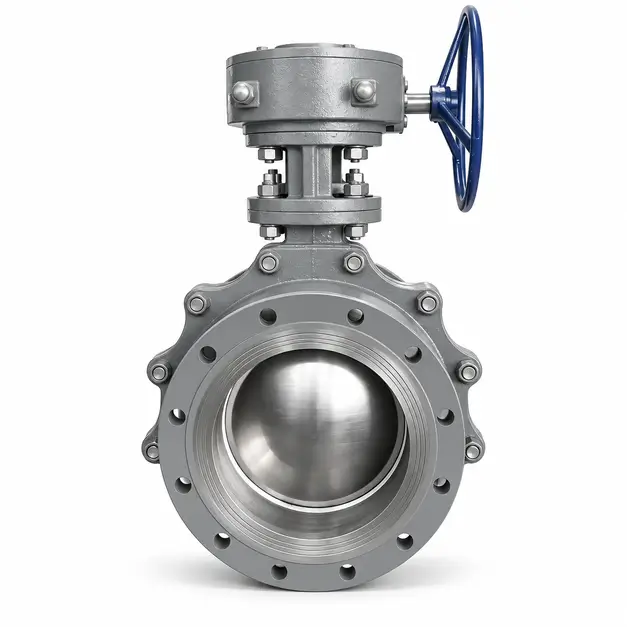
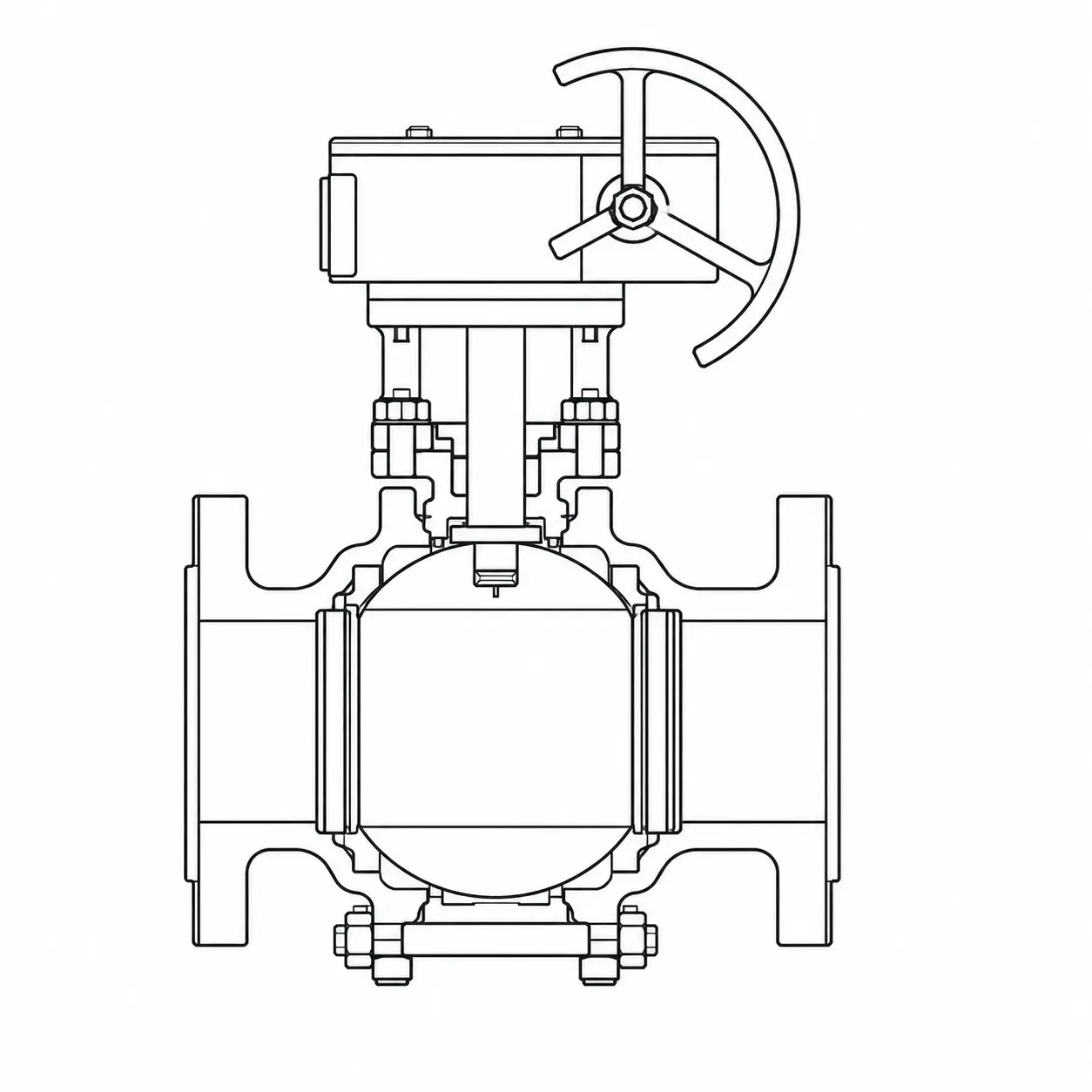
Worm Gear Operated Ball Valve

Worm Gear Operated Ball Valve

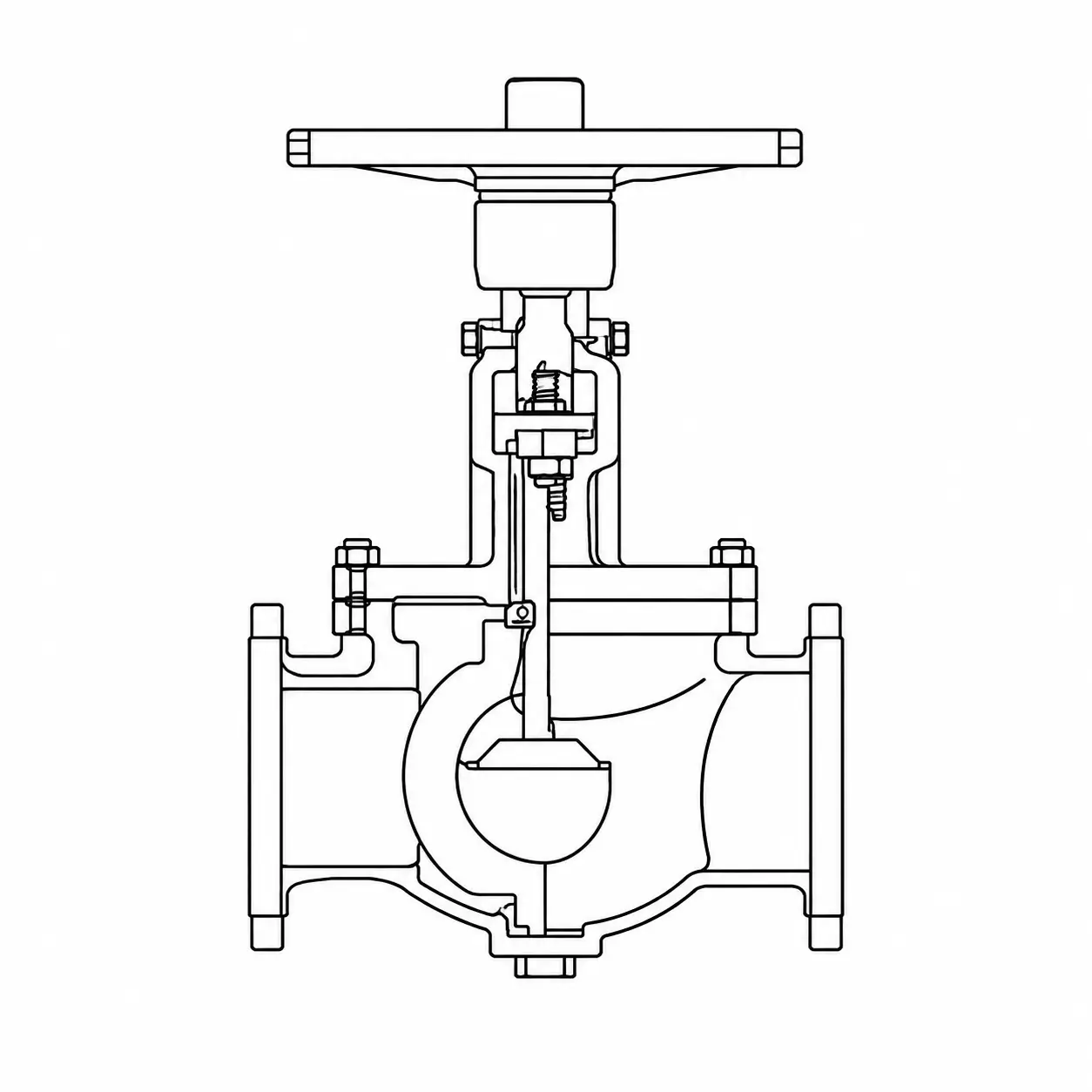
For large-diameter ball valves, manual operation requires considerable force; a worm gear drive mechanism can be used to reduce the operating torque.
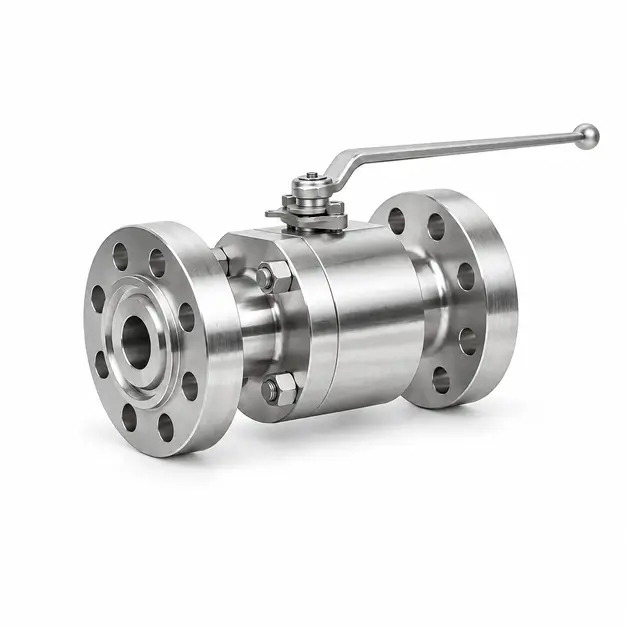
Hard Sealed Ball Valve

Hard Sealed Ball Valve

The metal-sealed design makes it better suited for high temperatures and complex operating conditions.
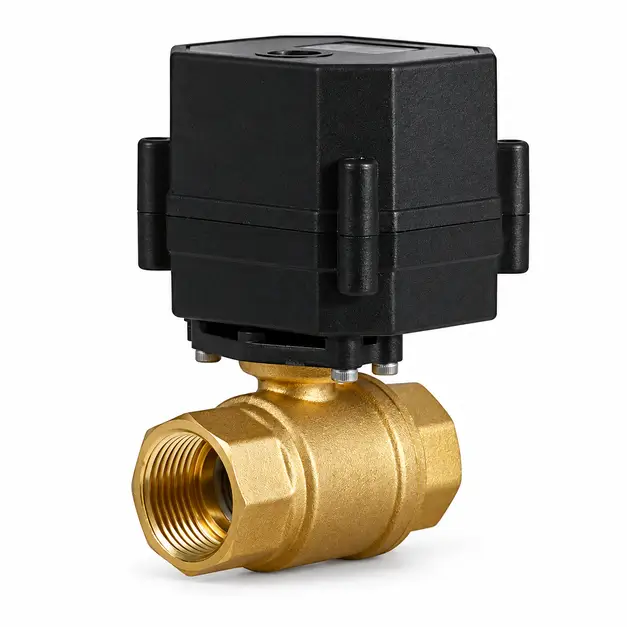
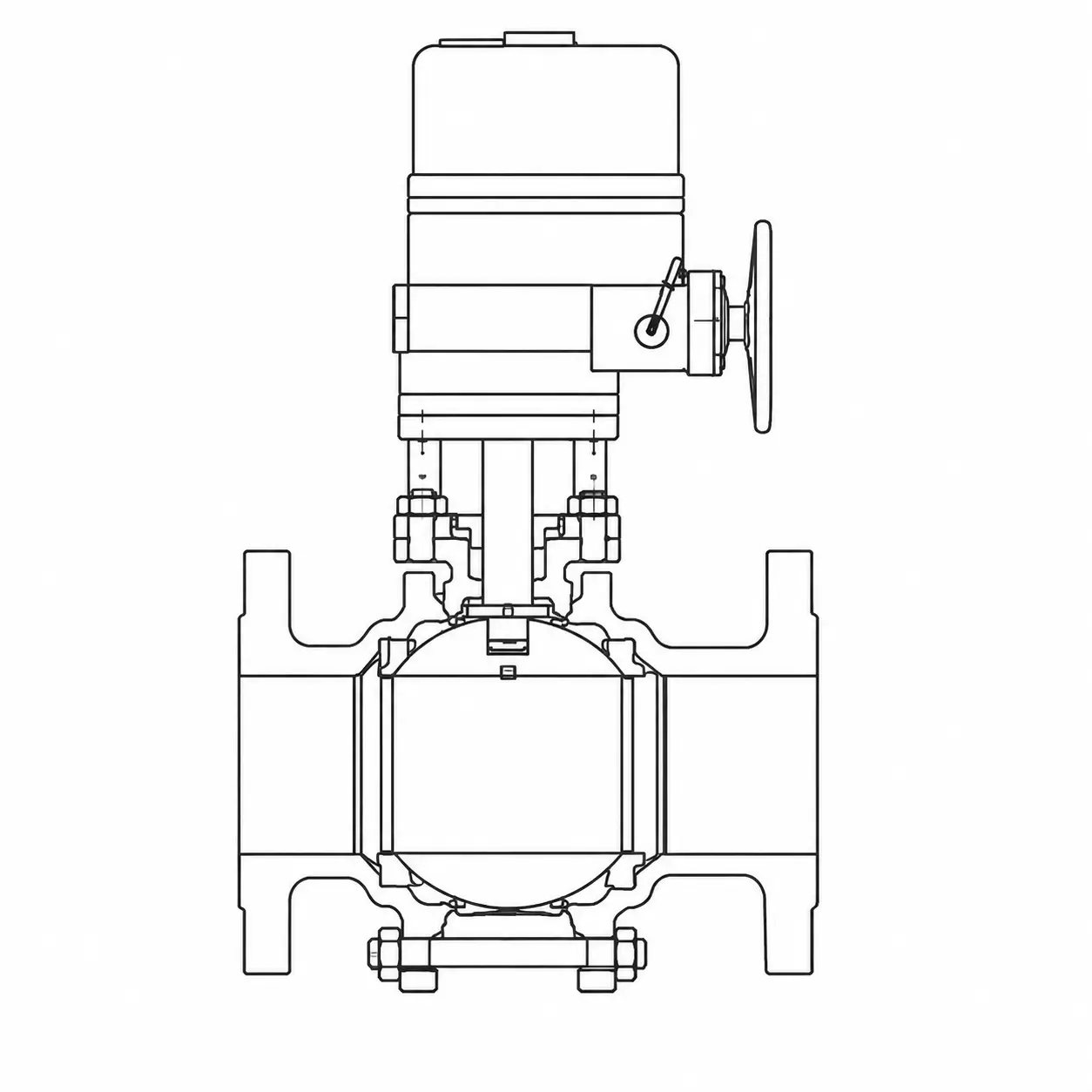
Electric Actuated Ball Valve

Electric Actuated Ball Valve

Using electric actuators to control valve operation enables remote control and automated management.
Custom Ball Valve Design

Materials and Pressure Classes

When selecting a ball valve, the material and pressure rating must be determined in conjunction with the medium, temperature, and actual design conditions. Simply seeing “Stainless Steel” or “Class 300” is not enough to determine whether the valve is suitable for your operating conditions, because the body material, seat material, and temperature all affect the valve’s ultimate operating limits.

Material Type Common Material Examples Main Features Typical Applications
Carbon Steel WCB, etc. Good strength, widely used in industrial service, and relatively cost-effective. Oil, gas, water, and general industrial pipelines.
Low Temperature Carbon Steel LCB, LCC, etc. Suitable for low-temperature service when the material rating matches the minimum design temperature. Low-temperature oil, gas, and industrial pipeline systems.
Stainless Steel CF8, CF8M, etc. Offers good corrosion resistance for many industrial media and environments. Chemical processing, water treatment, and corrosive service.
Alloy Steel Selected according to project specifications Can be used for specific high-temperature, high-pressure, or special service conditions. Petrochemical, power generation, and special industrial systems.
Special Alloy Selected according to media and project requirements Designed for more demanding corrosion or special operating conditions. Chemical, offshore, and special media applications.
Pressure Rating System Common Pressure Classes Selection Notes
ASME Class Class 150 / 300 / 600 / 900 / 1500 / 2500 The allowable pressure depends on valve material, design temperature, applicable standard, valve size, and valve construction.
PN Rating PN16 / PN25 / PN40 / PN63 / PN100 The applicable PN rating should be confirmed together with material, temperature, flange standard, and project requirements.
Selection Note: Pressure class alone is not enough for ball valve selection. Material, design pressure, design temperature, medium, and connection standard should be checked together.

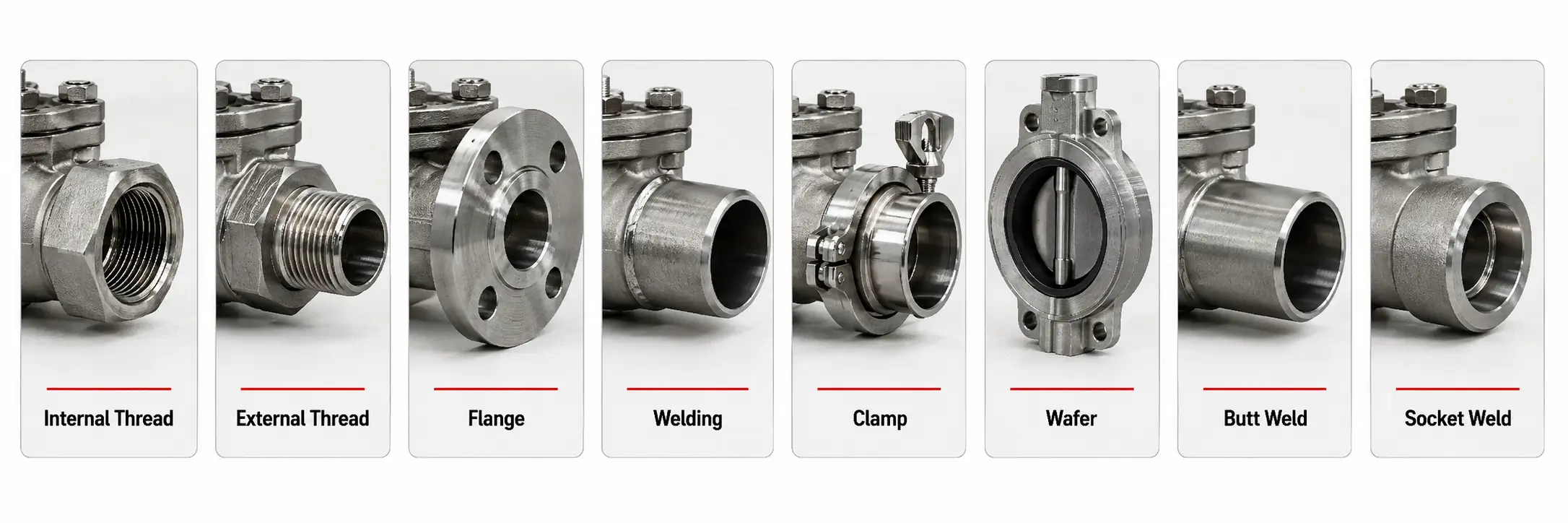
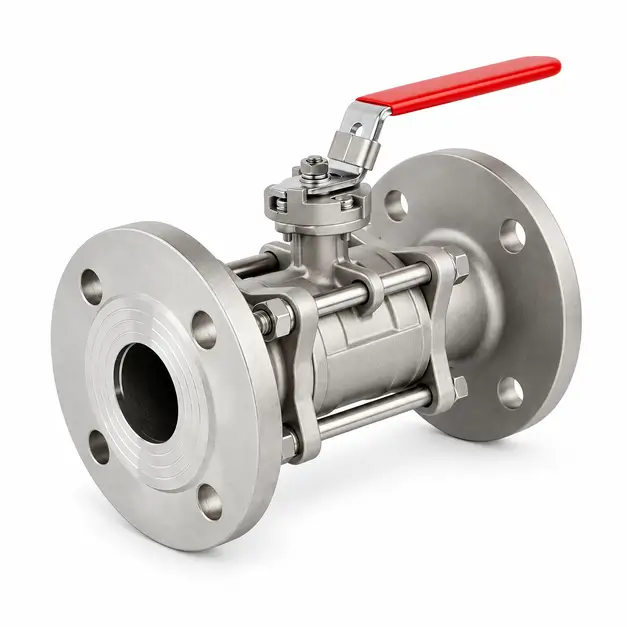
Various Connection Types

In industrial projects, ball valves must comply with the corresponding connection methods and installation requirements.

Valve Various Connection Types

API 6D Testing and Certifications

For ball valves used in oil, natural gas, and critical industrial pipelines, simply verifying the size and pressure rating is not sufficient. The valves must also undergo appropriate material control, pressure testing, seal verification, and quality inspections to confirm that the valve body’s pressure-bearing capacity and the seat’s sealing performance meet the requirements of actual operating conditions.

Our ball valves are manufactured and inspected in accordance with project technical specifications, purchase orders, and applicable API 6D requirements. For API 6D projects, we determine the applicable inspection items based on the ball valve’s design, size, pressure rating, and service conditions, rather than applying an identical test protocol to all ball valves.

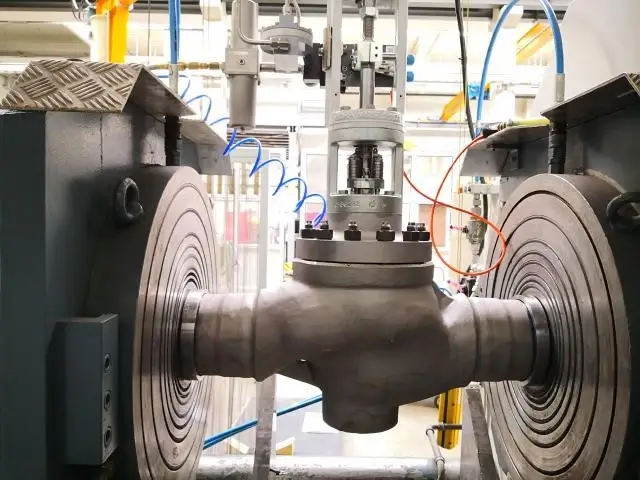
Check Valve Testing and Quality Control

Ball Valve Applications

Ball valves are widely used in various industrial piping systems due to their simple structure, rapid opening and closing, low fluid resistance, and reliable sealing performance. However, the requirements for ball valves vary depending on the application. You need to select the appropriate type of ball valve based on the medium being transported, operating pressure, temperature, operating environment, and control method.

Water Treatment valve

Water Treatment and Water Supply Systems

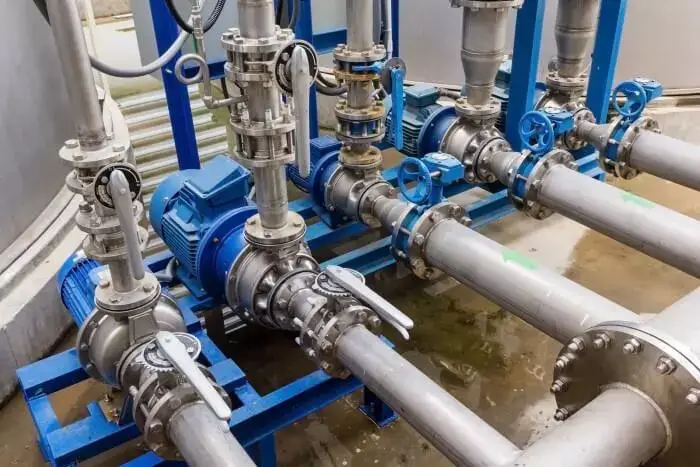
In water treatment engineering, ball valves are primarily used to control the direction of water flow, shut off pipelines, and regulate the transfer of media between equipment.

Because water as a medium places certain demands on valve corrosion resistance, sealing reliability, and long-term operational stability, ball valves have become a common choice in many water treatment pipelines. Common applications include the following:

  • Raw water transmission pipelines
  • Water purification systems
  • Wastewater treatment equipment
  • Circulating water systems
valve for Oil and Gas Industry

Oil and Gas Industry

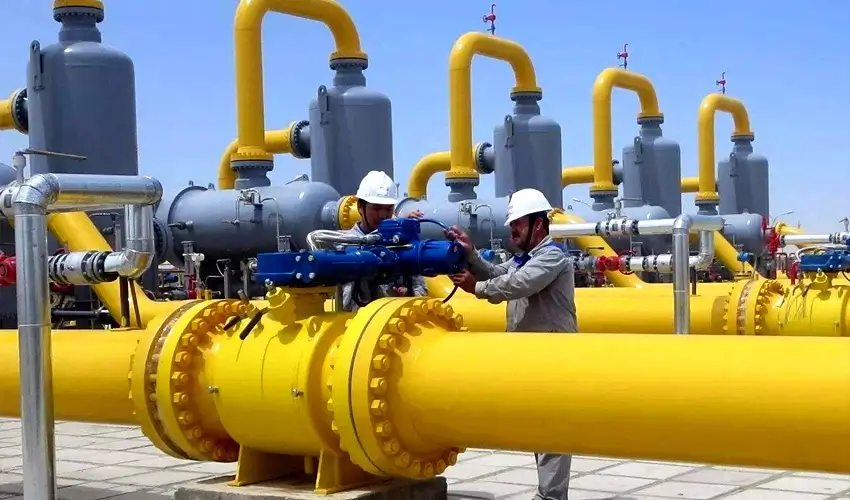
Ball valves are characterized by their fast opening and closing speeds and low fluid resistance, making them widely used in oil and natural gas transmission systems. Their main applications are as follows:

  • Oil transmission pipelines
  • Natural gas pipelines
  • Storage facilities
  • Industrial gas systems
valve for Chemical Processing Systems

Chemical Processing Systems

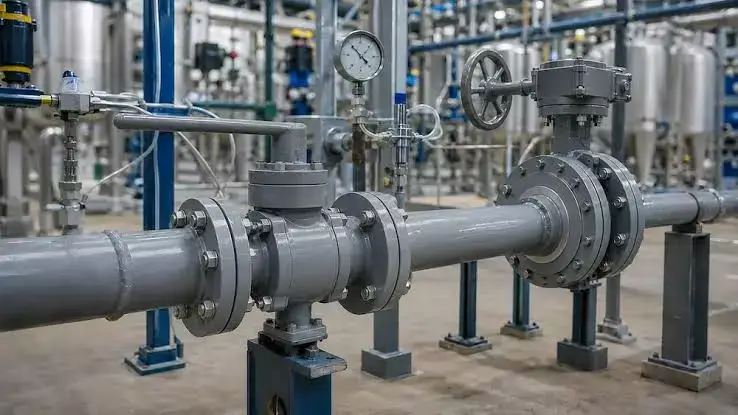
In chemical production processes, various media may be corrosive, hazardous, or involve high temperatures; therefore, ball valves must be selected with appropriate materials and sealing configurations based on the specific medium. These valves are commonly used in:

  • Chemical liquid transfer
  • Reaction equipment piping
  • Control of tank inlets and outlets
  • Process piping
valve for Power Generation Systems

Industrial Equipment

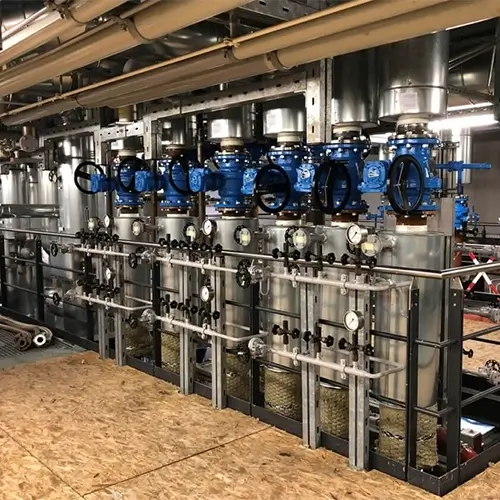
Many industrial devices rely on valves to control the flow of liquids, gases, or other media. Ball valves are widely used in such equipment due to their compact design and ease of operation. Applications include:

  • Mechanical equipment
  • Automation equipment
  • Pump systems
  • Industrial production lines
FJZS Valve Logo

Looking for the Right Valve?

Tell us your medium, pressure, temperature, valve size or application. Our team will help you find a suitable valve solution and provide a quotation.

Frequently Asked Questions About Ball Valve

1. What Is a Ball Valve and How Does It Work?

A ball valve is a type of valve that controls the flow of fluid by rotating a ball. The ball has a through-hole; when the through-hole aligns with the pipeline, the medium can flow through; when the ball rotates 90°, the through-hole becomes perpendicular to the pipeline, and the valve closes.

Because ball valves open quickly, offer low fluid resistance, and provide reliable sealing performance, they are widely used in water, gas, oil, and industrial fluid control systems.

When selecting a ball valve, you need to confirm the following key parameters:

  1. Medium: Determine whether the valve will be used to transport water, gas, oil, or chemical media.
  2. Pressure Rating: Verify that the ball valve’s rated pressure meets the system’s maximum operating pressure.
  3. Temperature: Different materials and sealing configurations have different applicable temperature ranges.
  4. Connection Type: Select threaded, flanged, or other connection types based on the piping design.
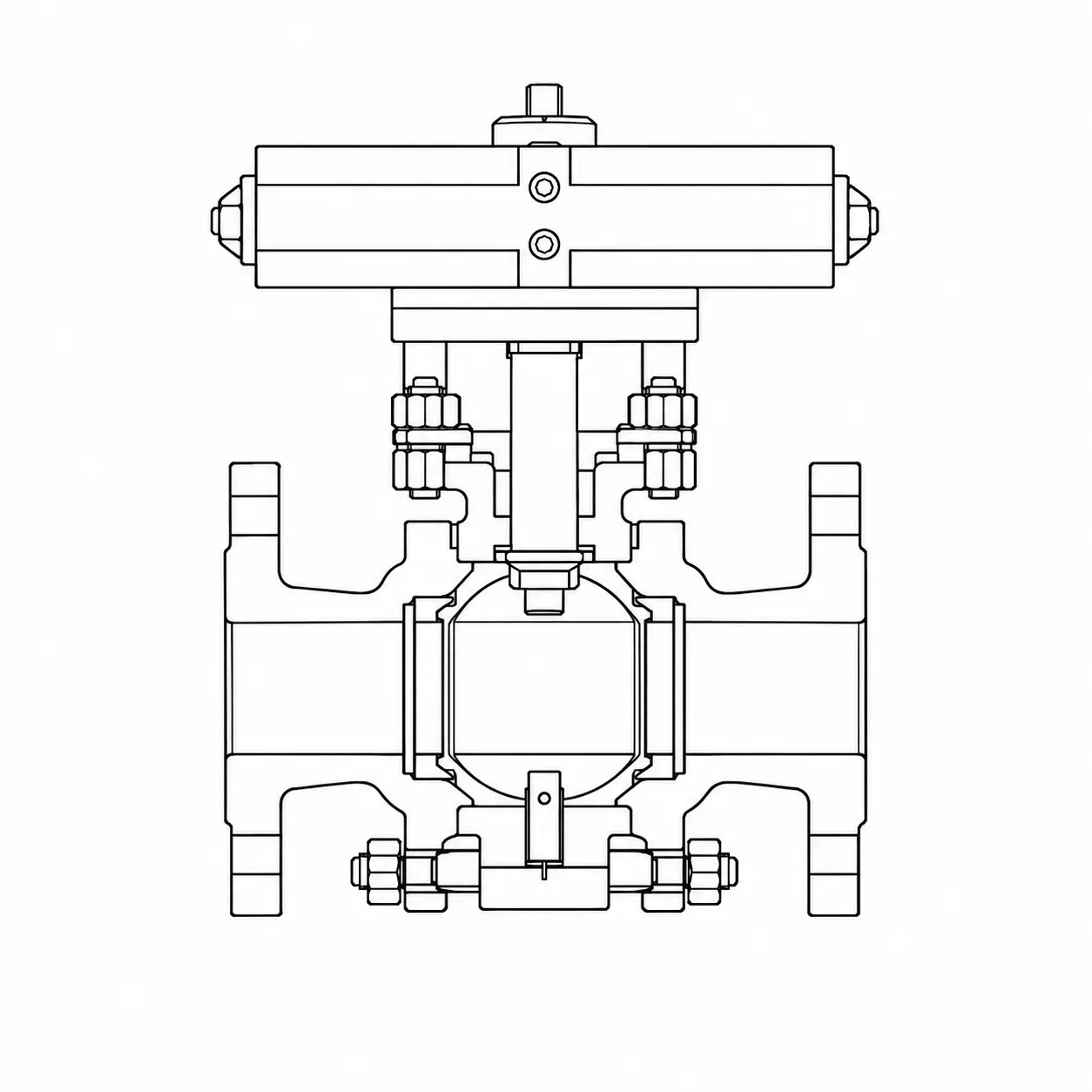
  5. Operation Method: Select manual, pneumatic, or electric control based on automation requirements.

Proper selection can prevent issues such as leaks, operational difficulties, and reduced valve service life.

Comparison Item Manual Ball Valve Pneumatic Ball Valve Electric Ball Valve
Operation Method Operated manually by handle or lever Controlled by compressed air through a pneumatic actuator Controlled by an electric actuator
Main Advantage Simple structure, easy installation, and lower cost Fast response and suitable for automatic control systems Remote control capability and easy integration with control systems
Control Method Requires manual operation on site Can be controlled by PLC or automation systems Can be controlled remotely through electrical signals
Operating Speed Depends on operator action Fast opening and closing speed Usually slower than pneumatic operation but provides precise control
Suitable Applications General pipelines, water systems, and applications with infrequent operation Industrial automation, chemical processing, and production lines Smart systems, remote control applications, and automated equipment
Maintenance Requirements Low maintenance due to simple design Requires air supply system inspection and actuator maintenance Requires checking electrical components and actuator condition
Best Choice When You need a reliable and economical valve for manual operation You need frequent operation and fast automatic control You need remote operation and integration with electrical control systems

The service life of a ball valve is influenced by several factors, including:

  • Operating pressure
  • Operating temperature
  • Properties of the medium
  • Operating frequency
  • Quality of installation
  • Maintenance practices

Under appropriate operating conditions, a high-quality ball valve can provide long-term, stable operation.

To extend its service life, you need to ensure it is installed correctly and avoid operating it beyond its design specifications.

Ball valves do not require frequent maintenance, but periodic inspections are still important.

Recommended checks:

  • Check for leaks
  • Check that the valve opens and closes smoothly
  • Check for wear on the sealing components
  • Check that the actuator is functioning properly

For systems in long-term operation or critical industrial systems, regular maintenance can help reduce the risk of sudden failures.

滚动至顶部