FJZS Valve Logo
FJZS Valve Logo

Globle Valve Manufacturer in China

Reliable globe valve solutions for industrial shut-off and flow control.
Standard, bellows sealed, low-temperature, class-rated and special-service designs are available according to your pressure, temperature, media and material requirements.

Globle Valve Manufacturer in China

Globe Valve Product Range

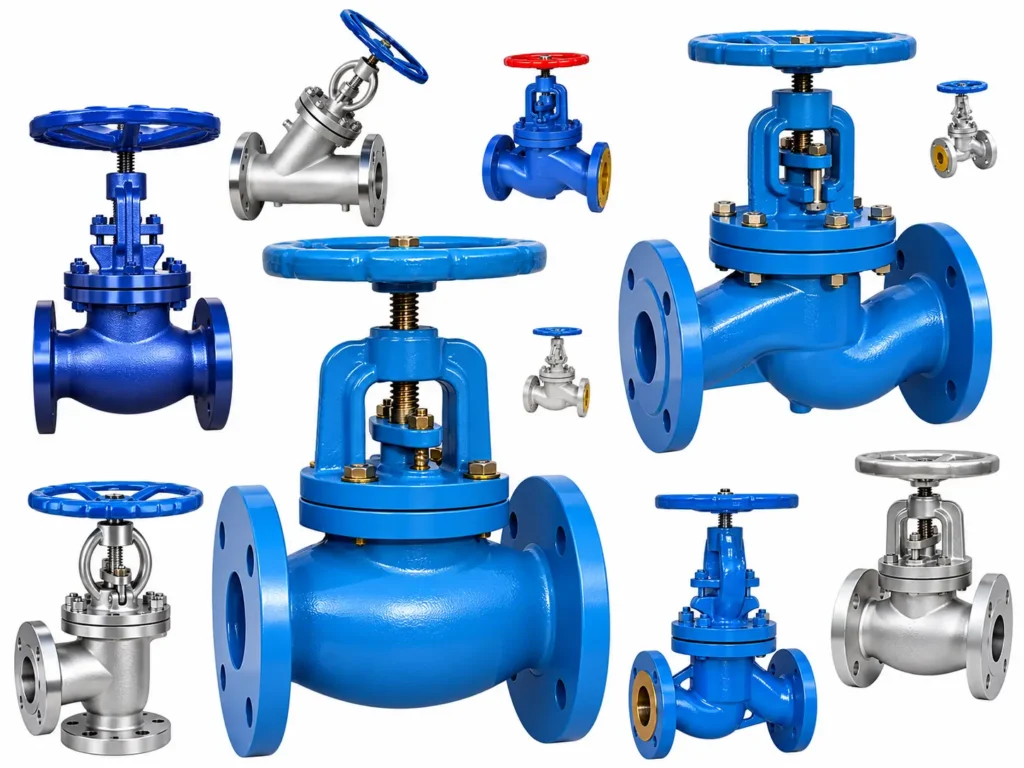
We offer a range of industrial globe valves suitable for various pressure, temperature, and medium conditions. When selecting a valve, it is necessary to comprehensively consider the medium, design pressure, design temperature, materials, sealing requirements, connection type, and operating method; selection should not be based solely on the nominal diameter.

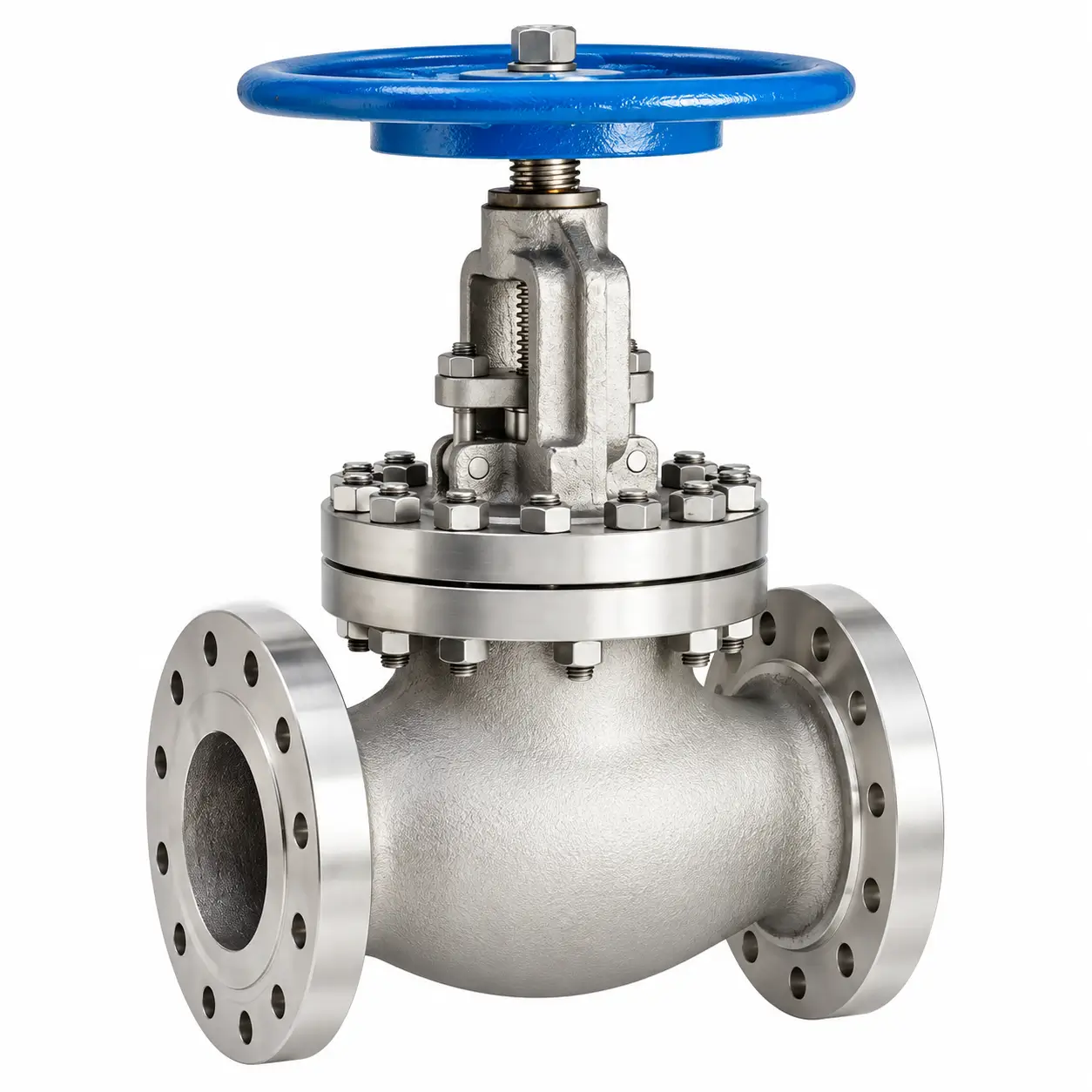
Standard Globe Valve

Standard Globe Valve

Suitable for common industrial media such as water, steam, and oils
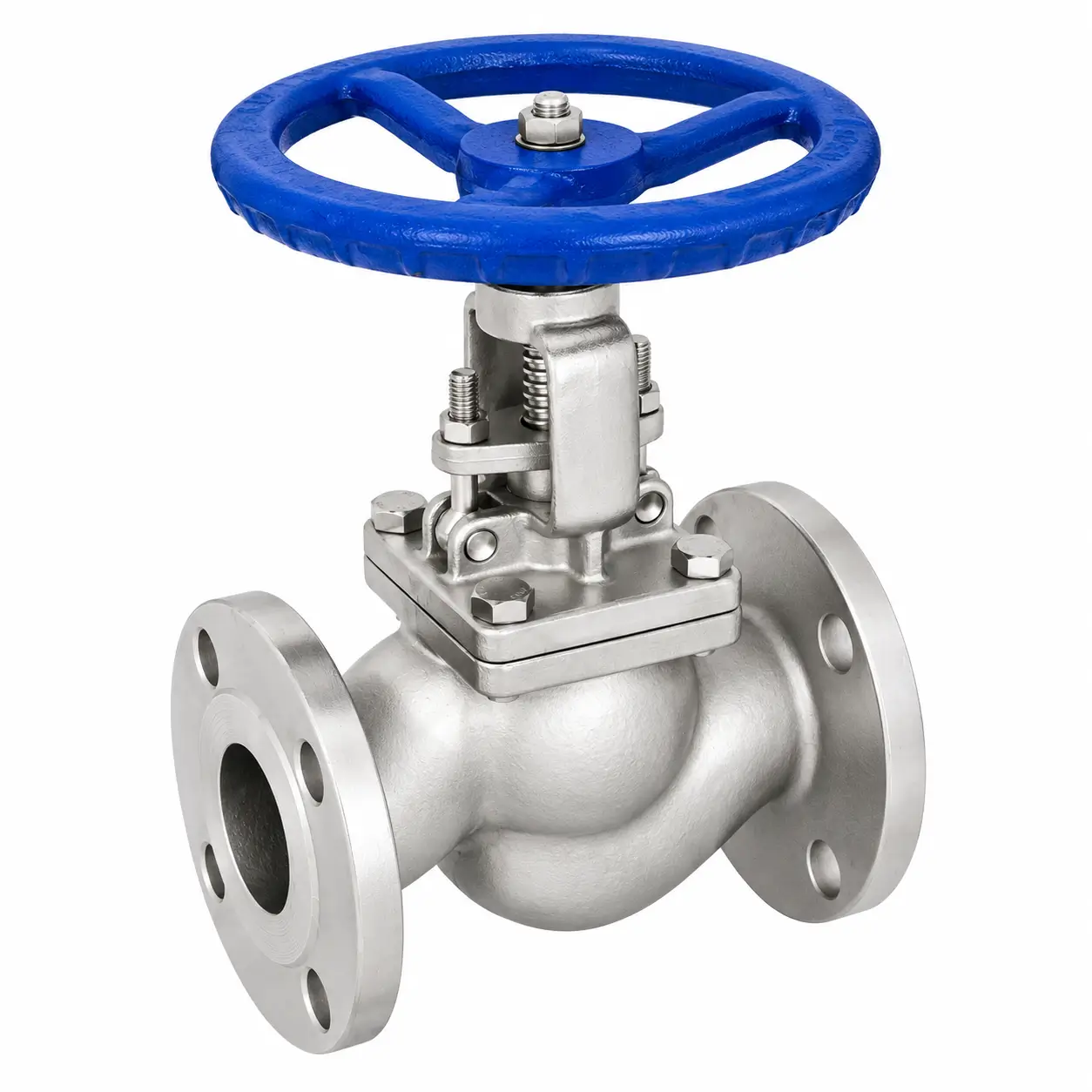
Class Rated ANSI Globe Valve

Class Rated / ANSI Globe Valve

Suitable for ASME/ANSI piping systems and petrochemical engineering
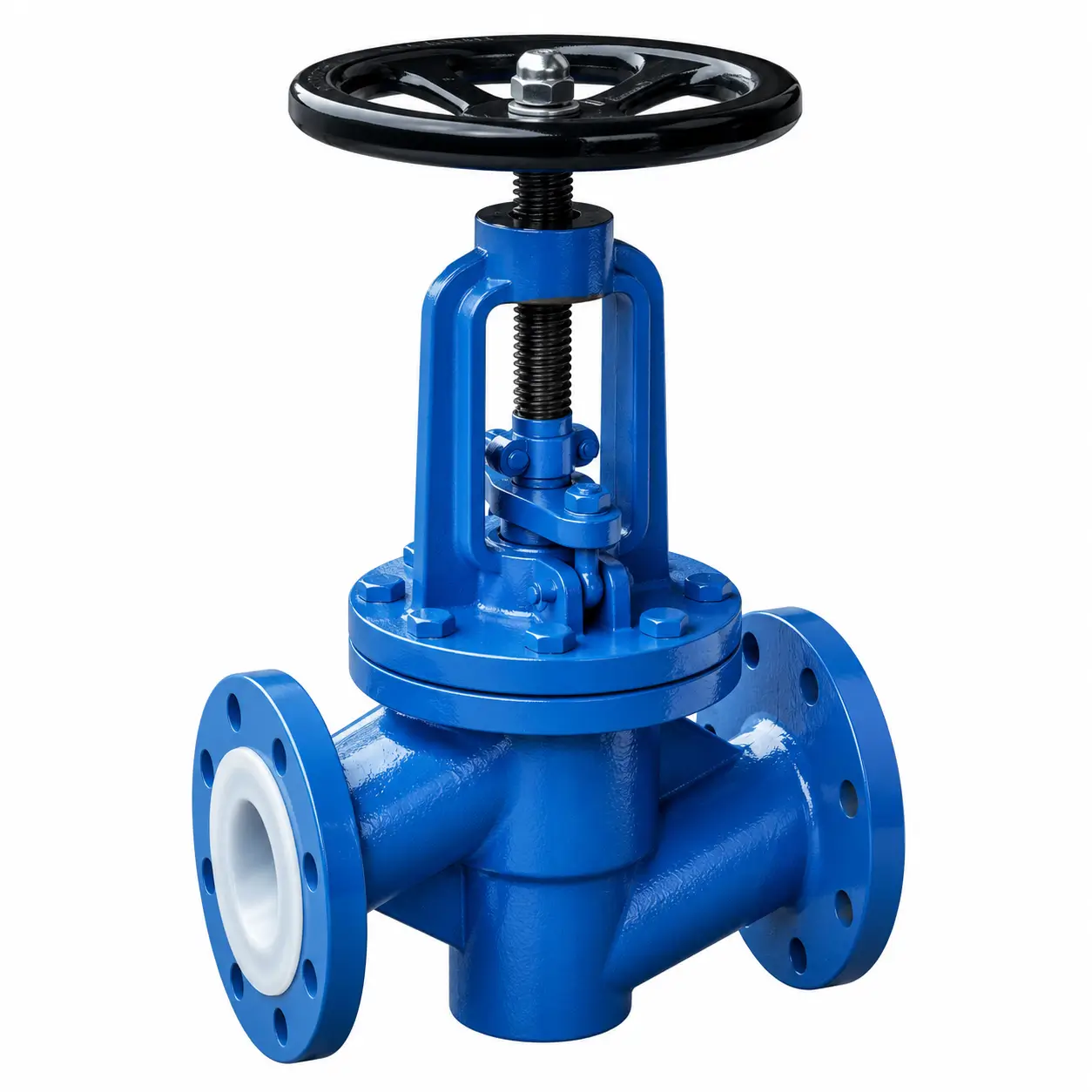
Special Media Globe Valve

Special Media Globe Valve

Suitable for ammonia, oxygen, liquefied petroleum gas, and liquid ammonia.
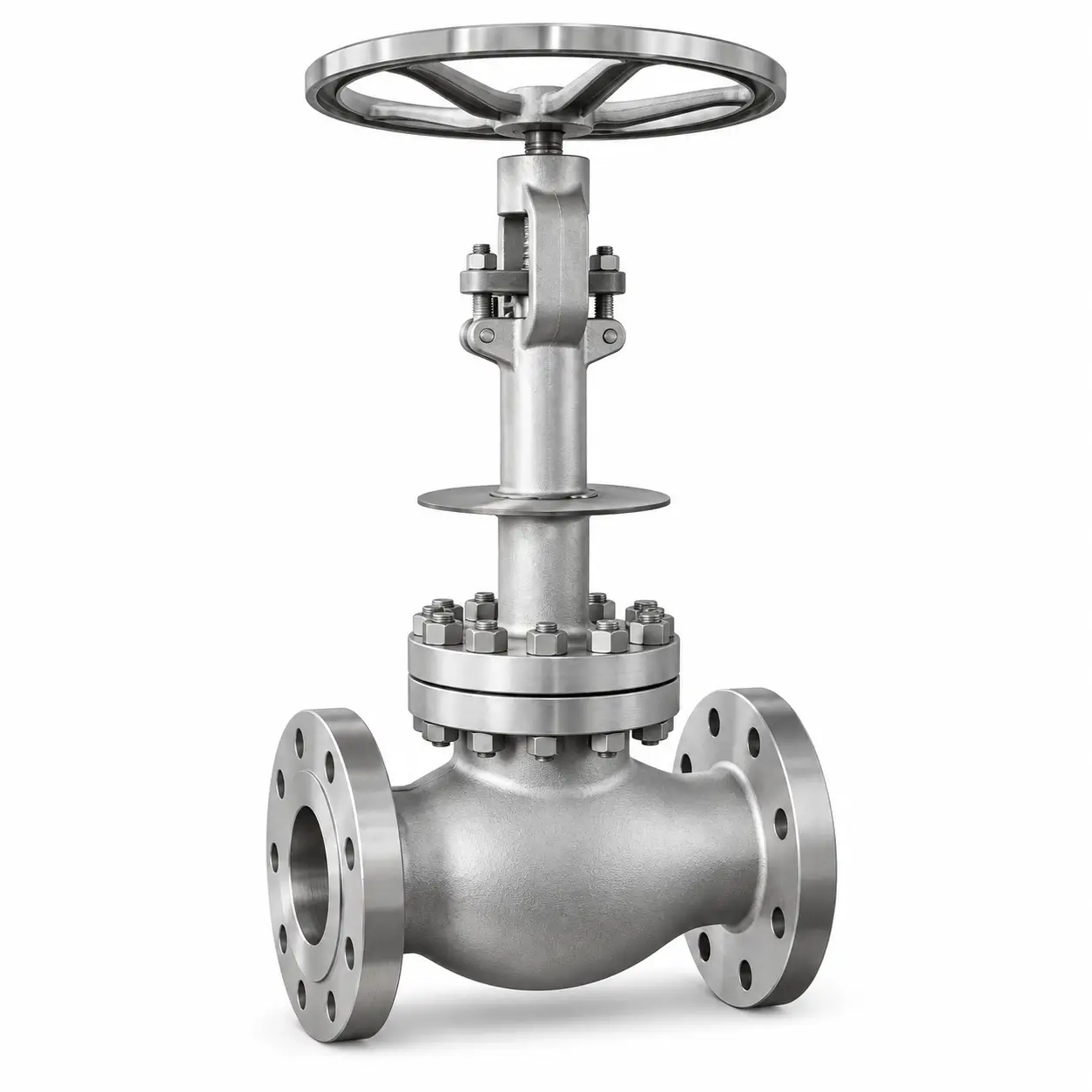
Low Temperature Globe Valve

Low Temperature Globe Valve

For use with low-temperature gases or liquefied media
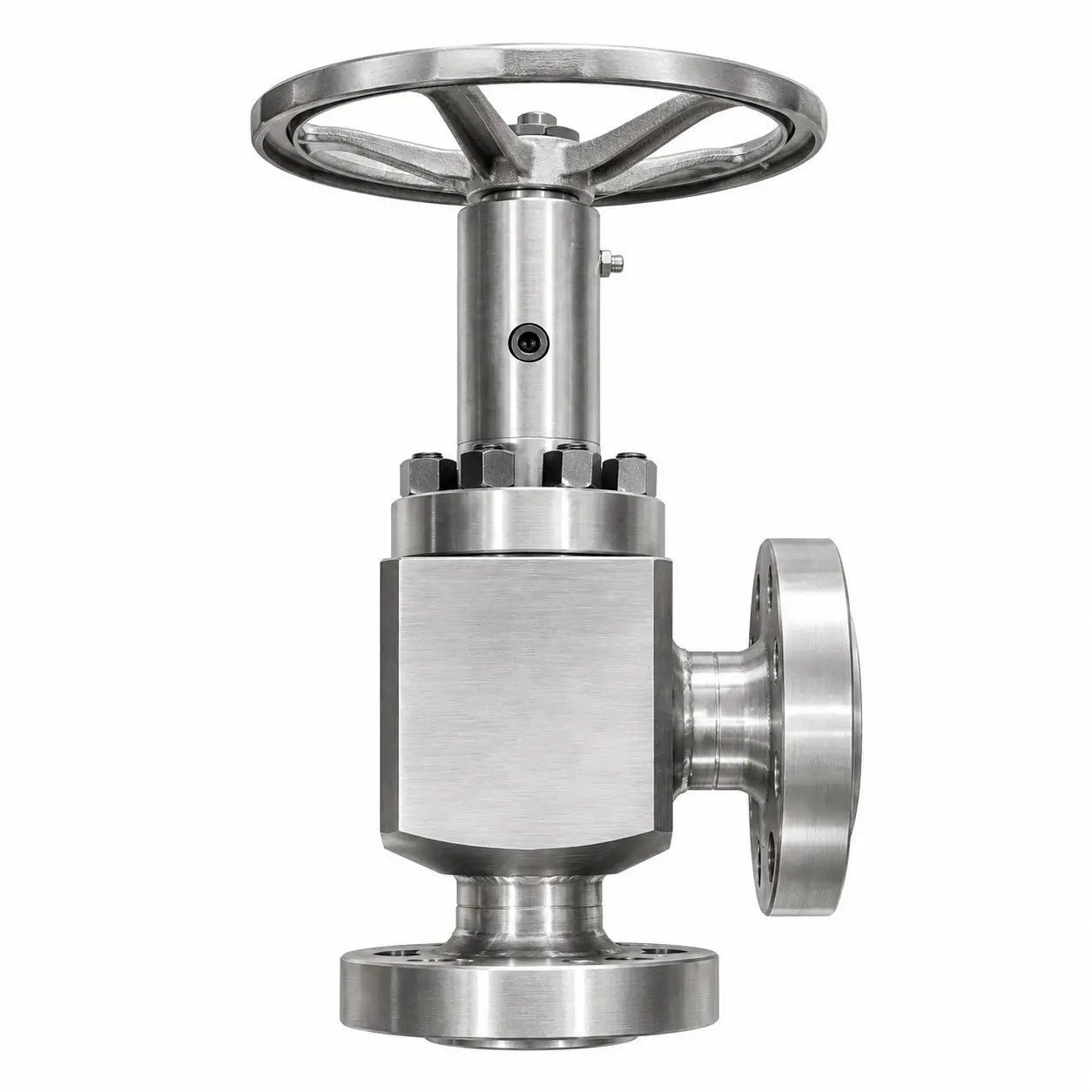
Threaded & Angle Globe Valve

Threaded & Angle Globe Valve

Suitable for small-diameter pipes that require threaded connections or a change in flow direction.
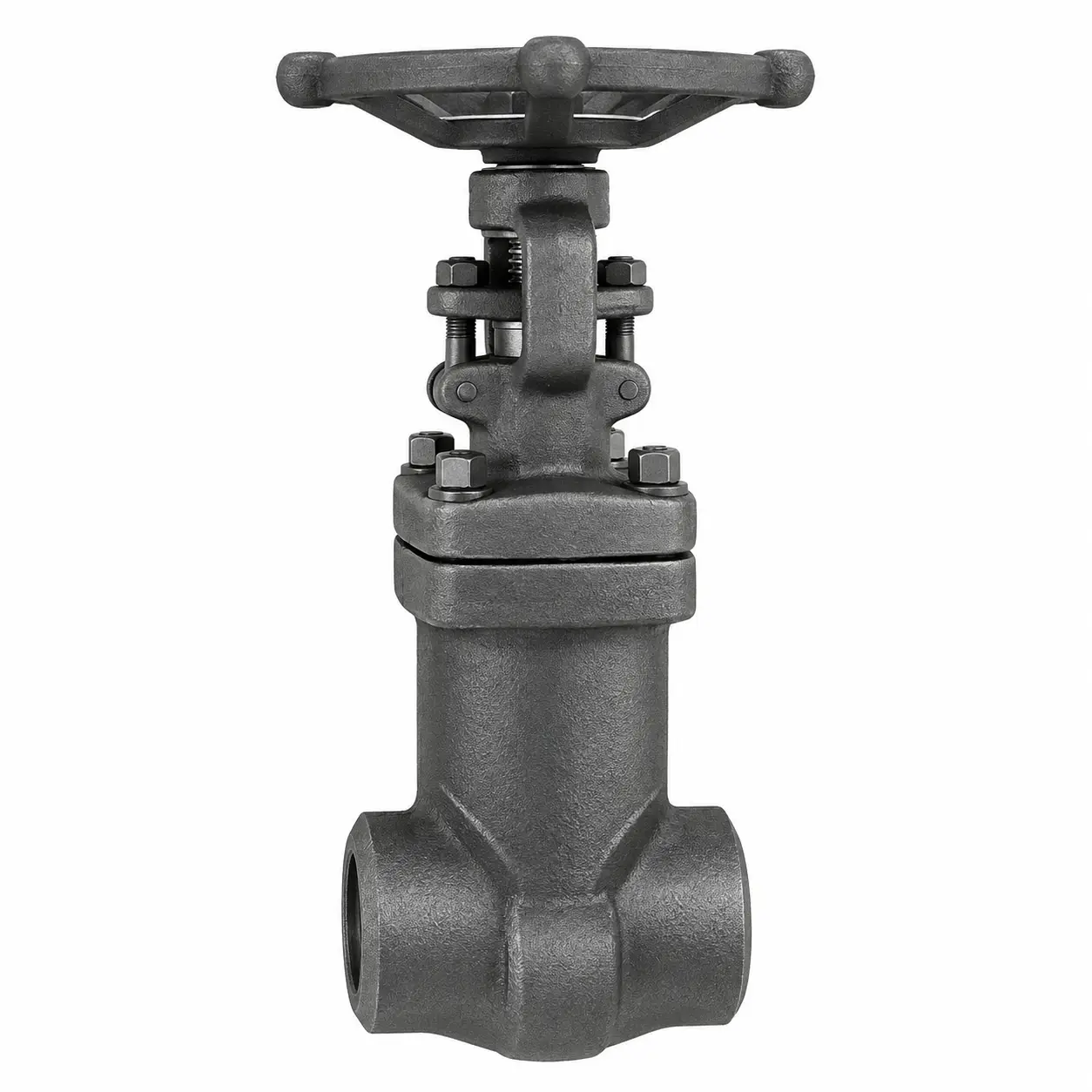
Bellows Sealed Globe Valve

Bellows Sealed Globe Valve

Suitable for industrial systems with stricter requirements for controlling external valve stem leakage
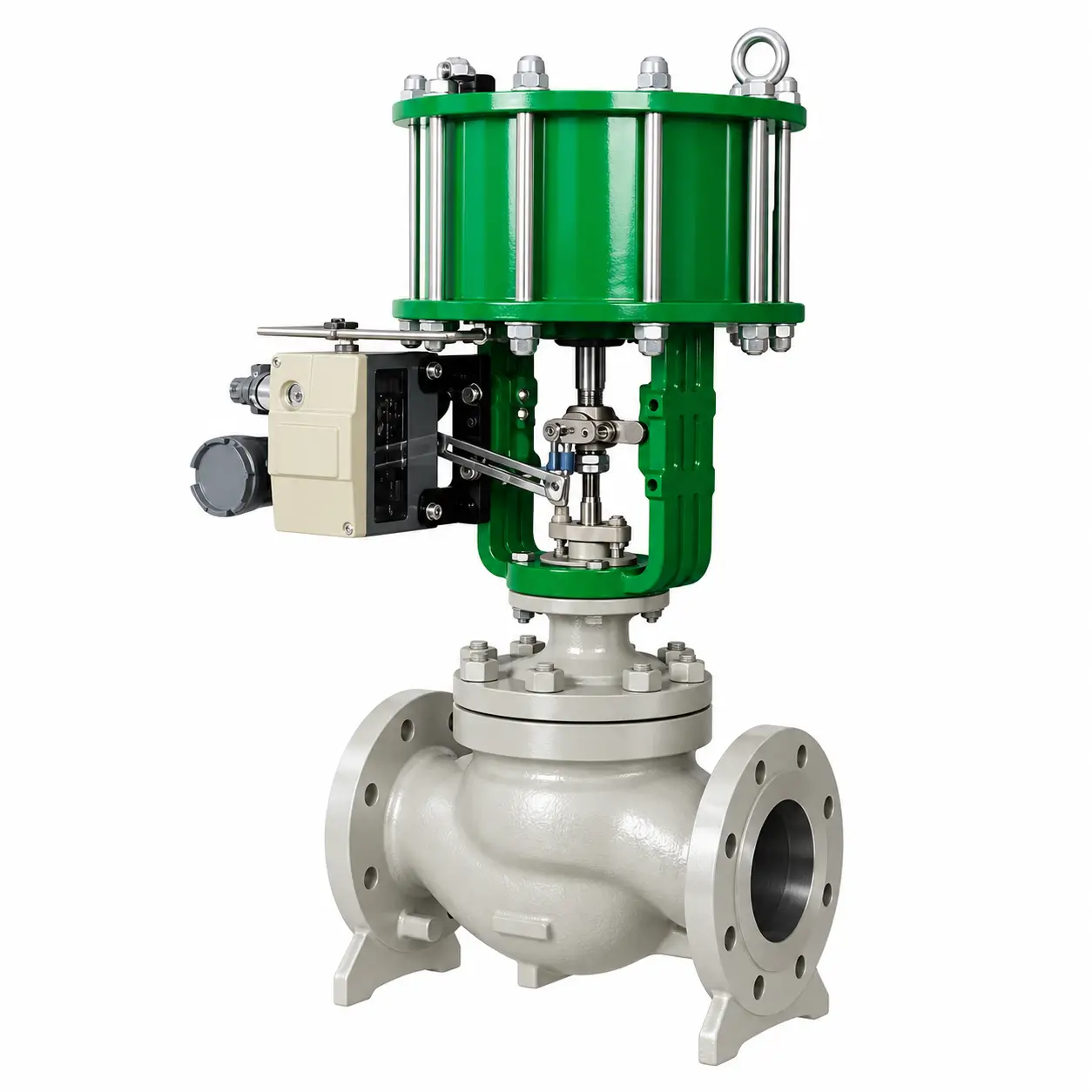
Actuated Globe Valve

Actuated Globe Valve

Includes spur-gear-driven globe valves, hydraulically operated globe valves, and electrically operated globe valves
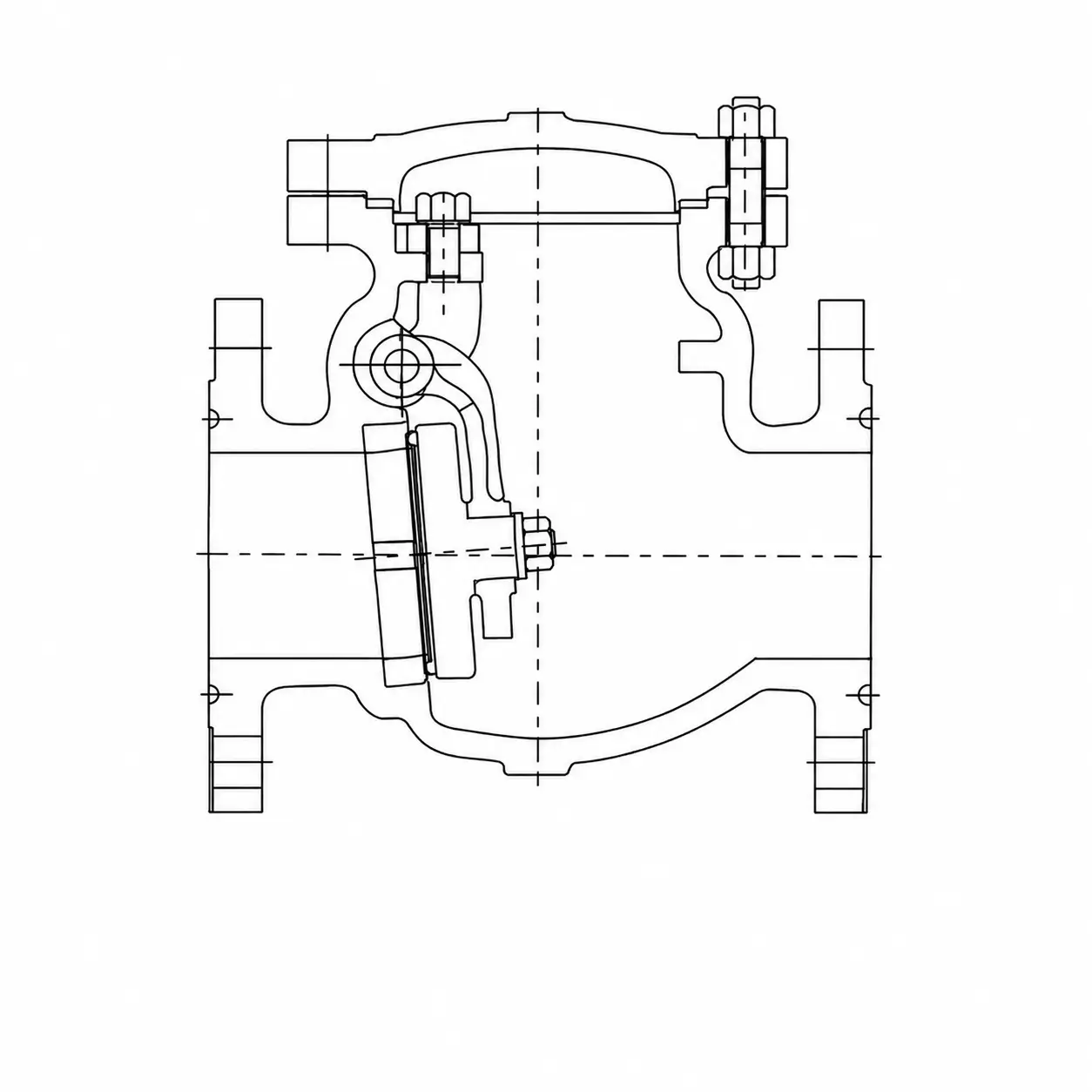
Custom Check Valve Design

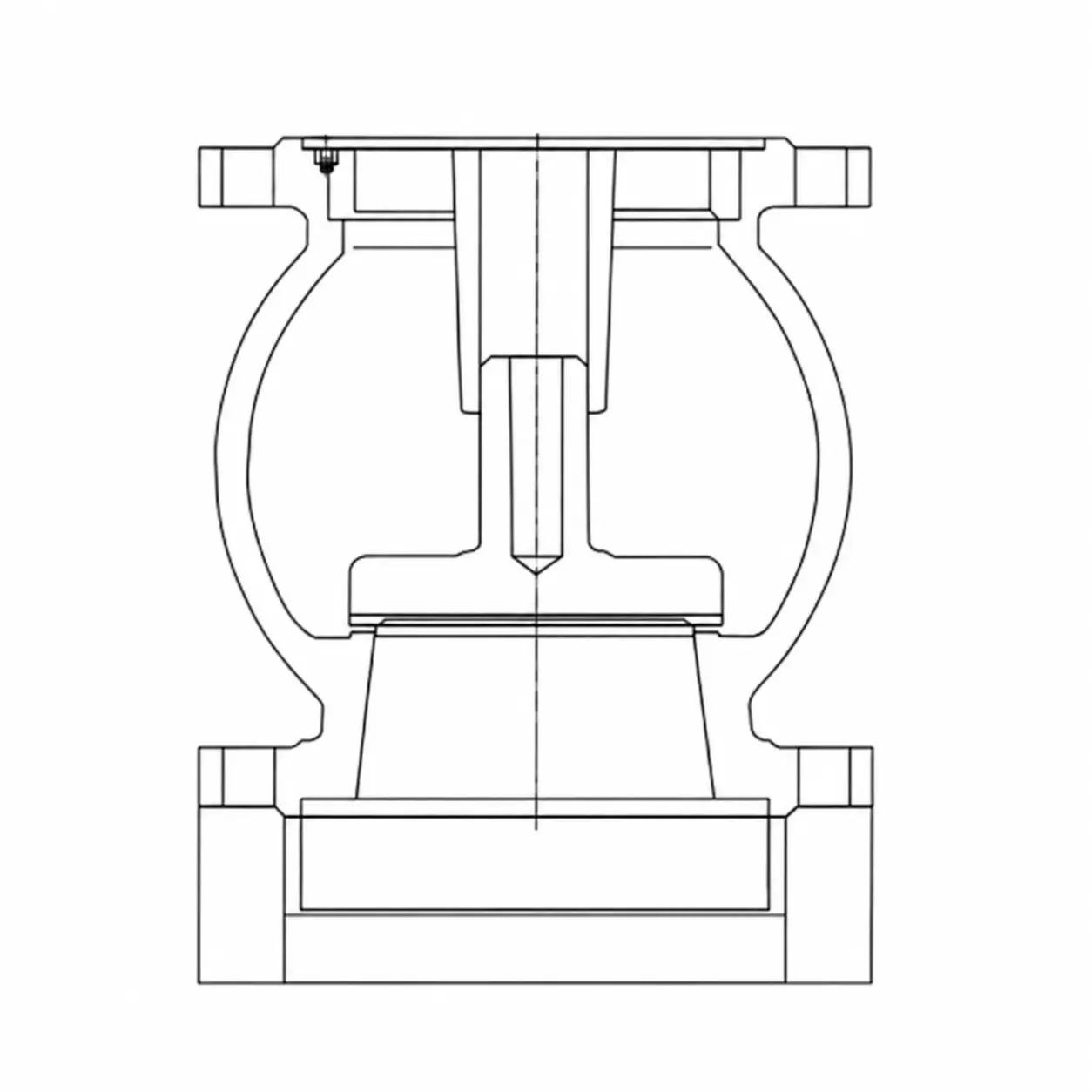
Pound-Class Check Valve Drawing

Pound-Class Check Valve Drawing

Vertical Check Valve Drawing
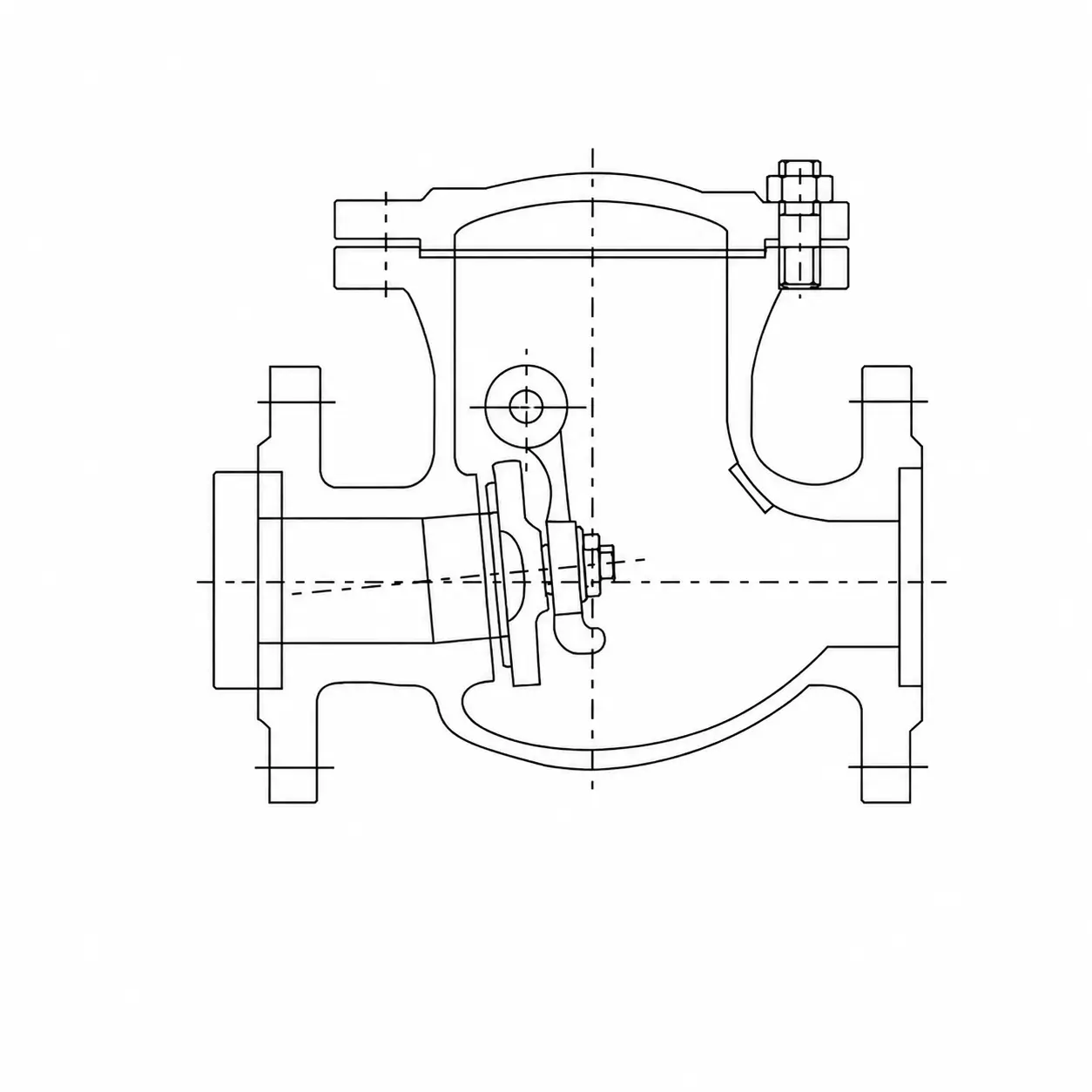
Vertical Check Valve Drawing

ANSI Swing Check Valve Drawing

Swing Check Valve Drawing
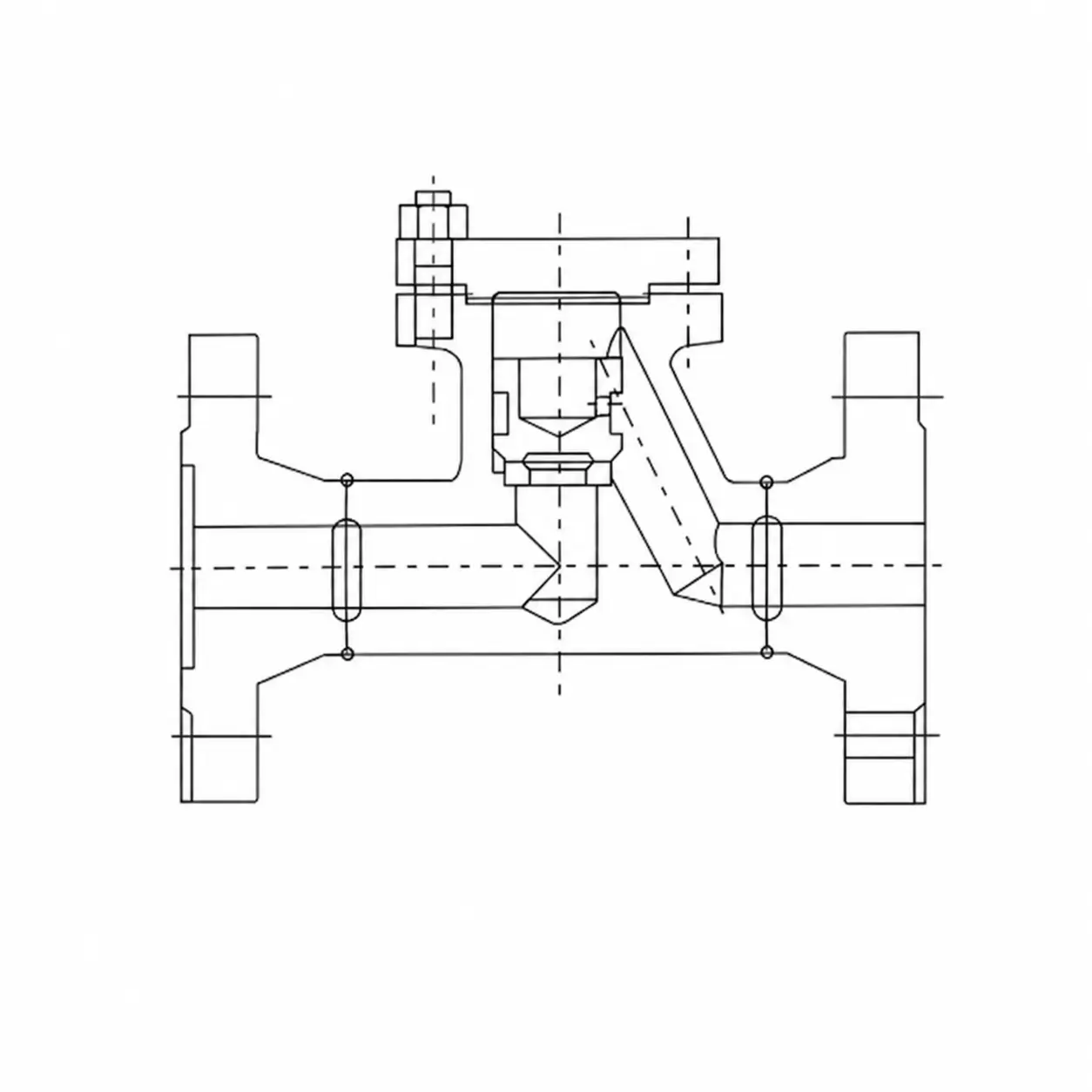
Lift Check Valve Drawing
Lift Check Valve Drawing
Bellows-Seal and Pressure-Seal Designs

The seal design of a globe valve not only affects the valve’s shut-off performance but also influences stem leakage control, pressure tolerance, and long-term operational reliability.

The same seal configuration should not be used for different operating conditions. For applications where media isolation in the stem area is a priority, a bellows-seal design may be considered; for high-pressure, high-temperature systems, the bonnet configuration, pressure rating, and project design requirements must be further verified.

Bellows Seal vs Pressure Seal

Different designs solve different sealing problems.

Design Main Sealing Area Primary Purpose Selection Focus
Bellows-Seal Design Stem area Improve process-medium isolation around the stem Medium, temperature, pressure, bellows material
Pressure-Seal Design Body-to-bonnet connection Bonnet sealing for demanding pressure/temperature service Pressure, temperature, bonnet structure, gasket design
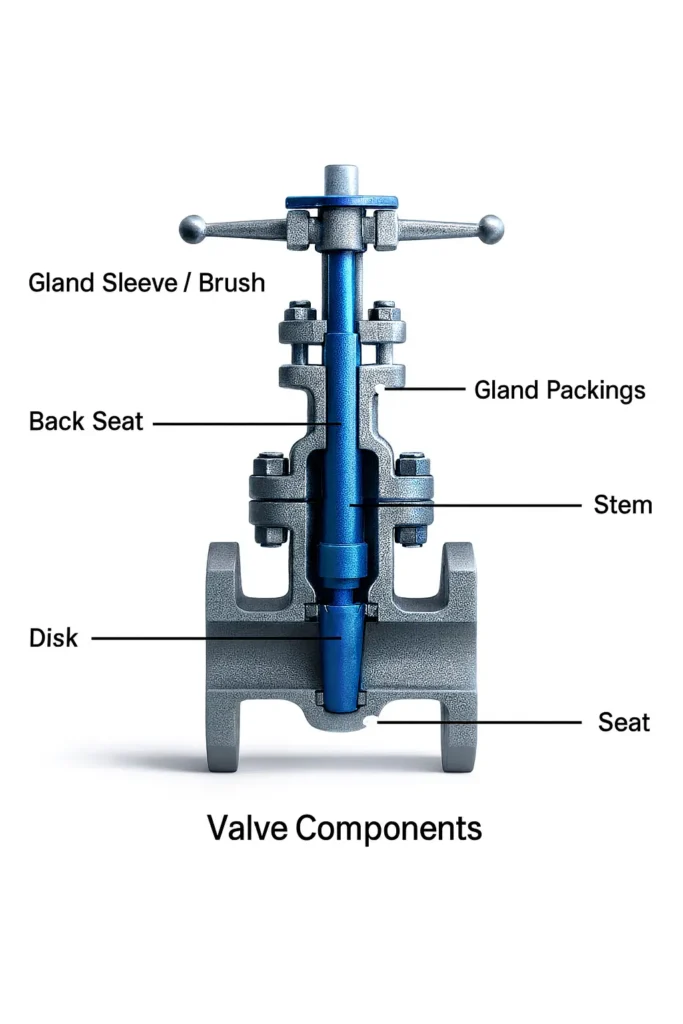
Globe Valve Disc and Trim

Disc and Trim

The performance of a globe valve depends on more than just the valve body material. The materials of the disc, seat, stem, and sealing surfaces directly affect the valve’s shut-off performance, temperature resistance, corrosion resistance, and performance under throttling conditions.

Therefore, when selecting a globe valve, it is necessary to evaluate the disc structure, trim materials, and actual pressure differential together, rather than simply comparing PN, Class, or DN ratings.

Disc Design

  • Standard Shut-off Disc
  • Throttling Disc

Trim Material Options

These material combinations correspond to different valve body materials and applicable temperature ranges; therefore, a single trim configuration cannot be used as a universal standard for all globe valves.

Material Configuration Seat Disc Stem Typical Selection Direction
Carbon Steel Type 25 25 2Cr13 General water, steam, and oil service
Stainless Steel Type 1Cr18Ni9Ti 1Cr18Ni9Ti 1Cr18Ni9Ti Media requiring higher corrosion resistance
Mo Stainless Steel Type 1Cr18Ni12Mo2Ti 1Cr18Ni12Mo2Ti Matching stainless steel configuration Specific corrosive media
High-Temperature Alloy Type 1Cr18Ni9Ti ZGCr5Mo 25Cr2MoV Higher-temperature industrial service

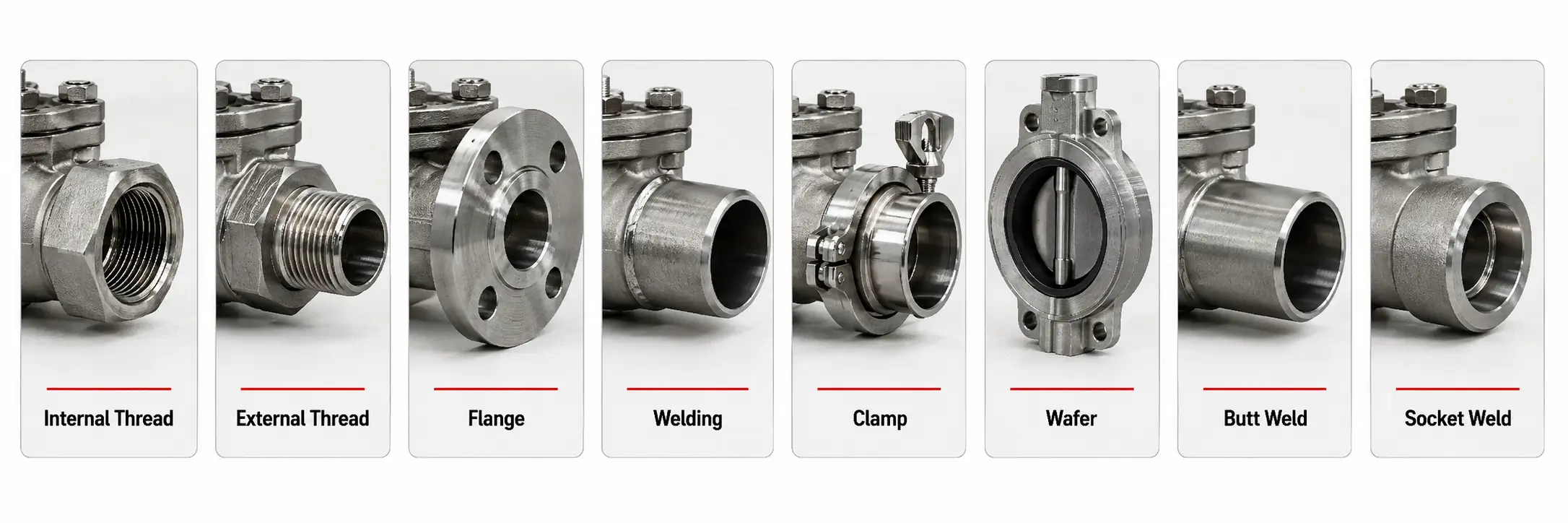
Various Connection Types

In industrial projects, check valves must comply with the corresponding connection methods and installation requirements.

Valve Various Connection Types

Standards and Testing

When determining whether an industrial globe valve is suitable for a project, one cannot rely solely on the DN, PN, or Class ratings. It is also necessary to verify that its design standards, connection dimensions, materials, pressure-rating, and sealing performance are consistent with those of the piping system.

Applicable Standards:

  • ANSI B16.34
  • ANSI B16.10
  • ANSI B16.5
  • API 598
  • GB 12221
  • JB/T 79.1~2
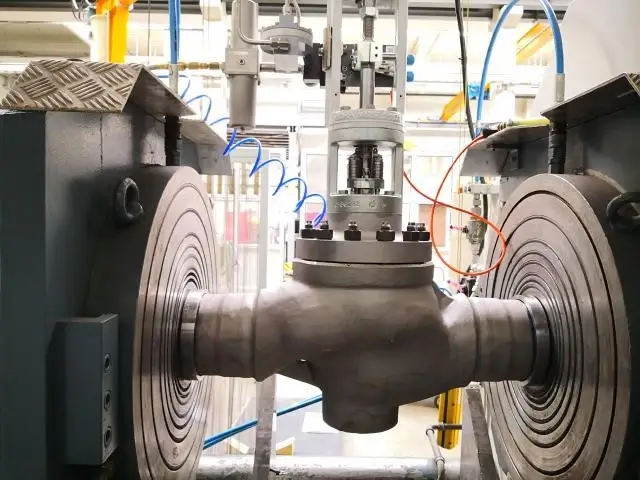
Check Valve Testing and Quality Control

Globe Valve Applications

Globe valves are primarily used to shut off media flow in industrial pipelines and to control flow within a certain range. Different applications have varying requirements for valve body materials, sealing structures, temperature ratings, and operating methods.

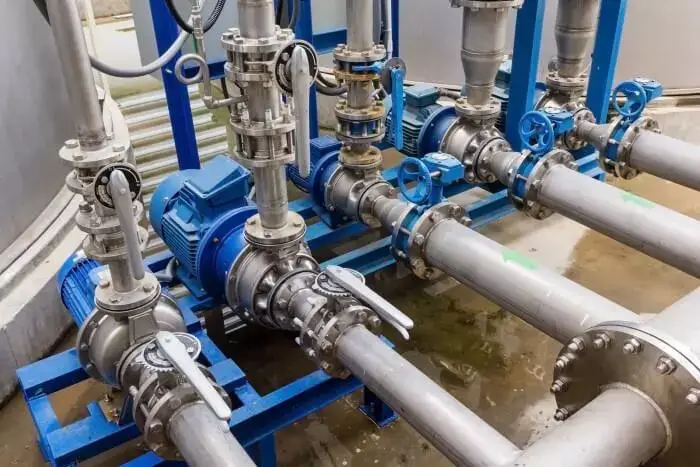
Water Treatment valve

Steam and Power Systems

Globe valves are suitable for steam, water, and oil, and are available for a range of temperature and pressure ratings. For systems operating at higher temperatures, selection should not be based solely on nominal diameter.

Common applications include:

  • Steam Lines
  • Boiler Systems
  • Heat Exchanger Lines
  • Utility Steam
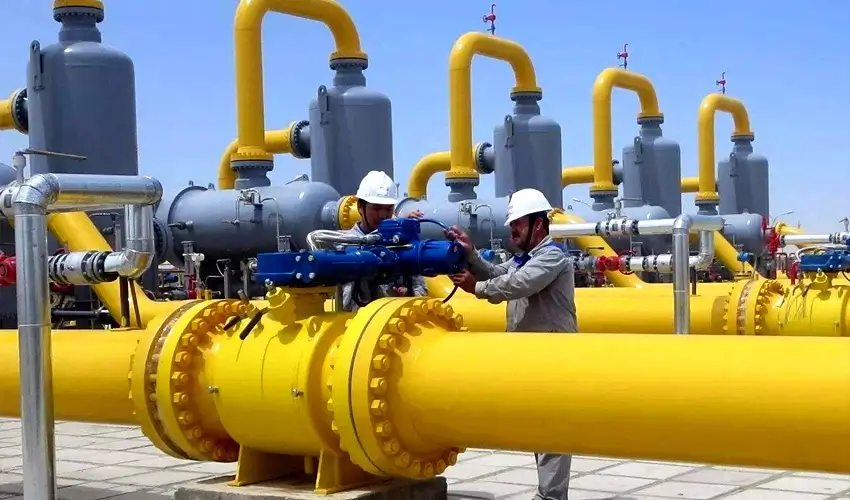
valve for Oil and Gas Industry

Oil & Petrochemical Systems

Suitable for isolating and controlling media in oil and general petrochemical pipelines.

Common Applications:

  • Oil Transfer
  • Process Pipelines
  • Refinery Utility Lines
  • Equipment Isolation
valve for Chemical Processing Systems

Chemical Processing

For corrosive media, standard metal globe valves may not be suitable. You need to determine the correct globe valve based on the media type, concentration, temperature, pressure, and compatibility with the lining material.

Common applications include:

  • Chemical Transfer
  • Acid/Alkali Systems
  • Process Chemical Lines
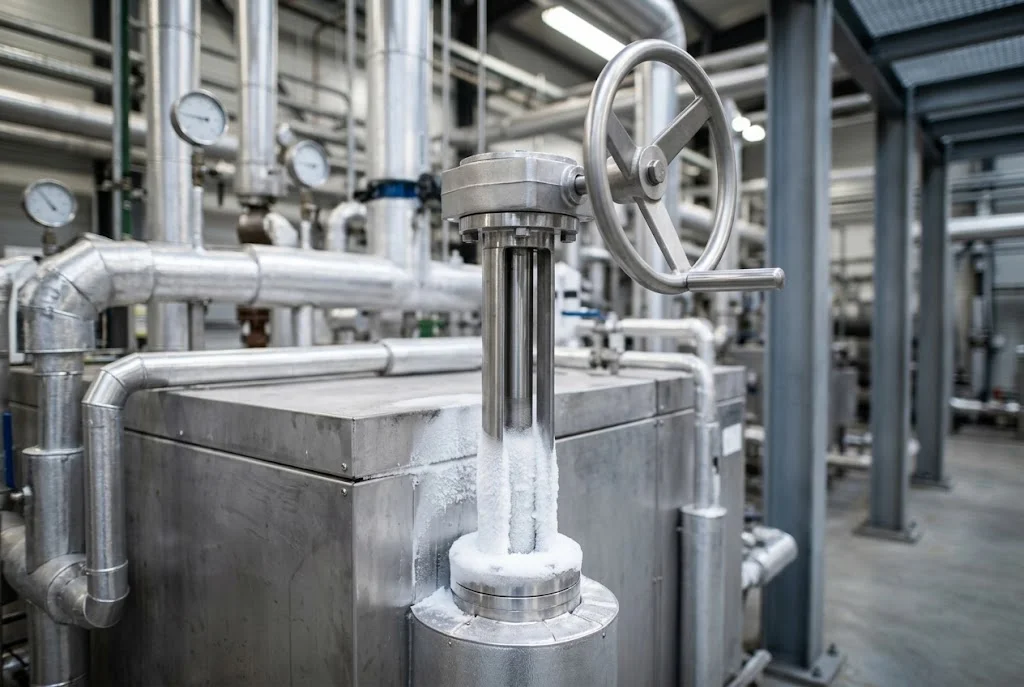
Industrial Valve for Low-Temperature

Low-Temperature Service

These products are suitable for systems with special requirements for cryogenic materials and structures, such as piping systems for cryogenic or liquefied media.

When selecting a model, pay close attention to the following:

  • Minimum Design Temperature
  • Body Material
  • Stem / Trim Material
  • Pressure Rating
  • Medium
valve for Power Generation Systems

Ammonia, Oxygen and Special Media

These types of media impose stricter requirements on valves in terms of:

  • Material Compatibility
  • Sealing Requirements
  • Cleanliness Requirements
  • Safety Requirements

Therefore, it is necessary to select globe valves designed for special media.

FJZS Valve Logo

Looking for the Right Valve?

Tell us your medium, pressure, temperature, valve size or application. Our team will help you find a suitable valve solution and provide a quotation.

Frequently Asked Questions About Globe Valve

1. What Is a Globe Valve Used For?

Globe valves are primarily used to shut off the flow of media in industrial pipelines and can also be used for flow control under certain operating conditions.

Compared to gate valves, globe valves adjust the flow area by changing the distance between the disc and the seat, making them more suitable for systems that require frequent opening and closing or a certain degree of flow control.

Globe valves should not be selected based solely on DN or NPS.

It is recommended to verify at least the following:

  • Medium
  • Design Pressure
  • Design Temperature
  • Valve Size
  • Body Material
  • Connection Standard 
  • Operation Method
  • Special Service Requirements

For example, even for a DN100 globe valve, the material and structural requirements may differ completely depending on whether it is used in a standard water system or a low-temperature medium system.

One of the main differences lies in the sealing design of the stem area.

Standard globe valves use a conventional packing design, while bellows globe valves incorporate a bellows as a medium isolation barrier.

For applications with stringent requirements for controlling external leakage in the stem area, the bellows design should be given priority consideration.

Yes, but you must use models and material configurations designed for low-temperature conditions.

When selecting a model, you must confirm at least the following:

Minimum design temperature + medium + pressure rating + valve body material + valve internals material.

Do not assume that the same material can be used for all low-temperature ratings simply because the product name includes the term “low-temperature globe valve.”

There are various material systems, including:

  • WCB
  • CF8 / F304
  • CF8M / F316
  • Cr5Mo
  • 12Cr1MoV

as well as other material configurations designed for different temperatures and media

滚动至顶部