
Shut Off Valve Manufacturer in China
Providing reliable fluid shut-off solutions for industrial pipelines.
Select the appropriate gate valve, globe valve, ball valve, or butterfly valve based on the medium, pressure, temperature, pipe diameter, and operating mode for equipment isolation, pipeline shutdown, and system maintenance.
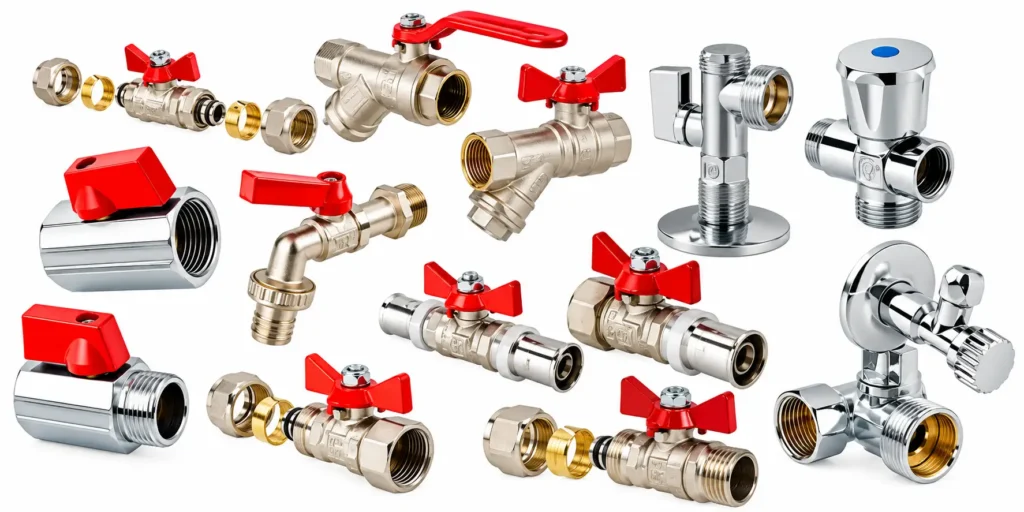
Shut Off Valve Types
Shut-off valves in industrial piping systems are primarily used to open or shut off the flow of a medium. Different valve designs vary in terms of flow resistance, opening and closing speed, sealing methods, installation space, and applicable operating conditions; therefore, the appropriate valve type should be selected based on the medium, pressure, temperature, pipe diameter, and operating frequency.
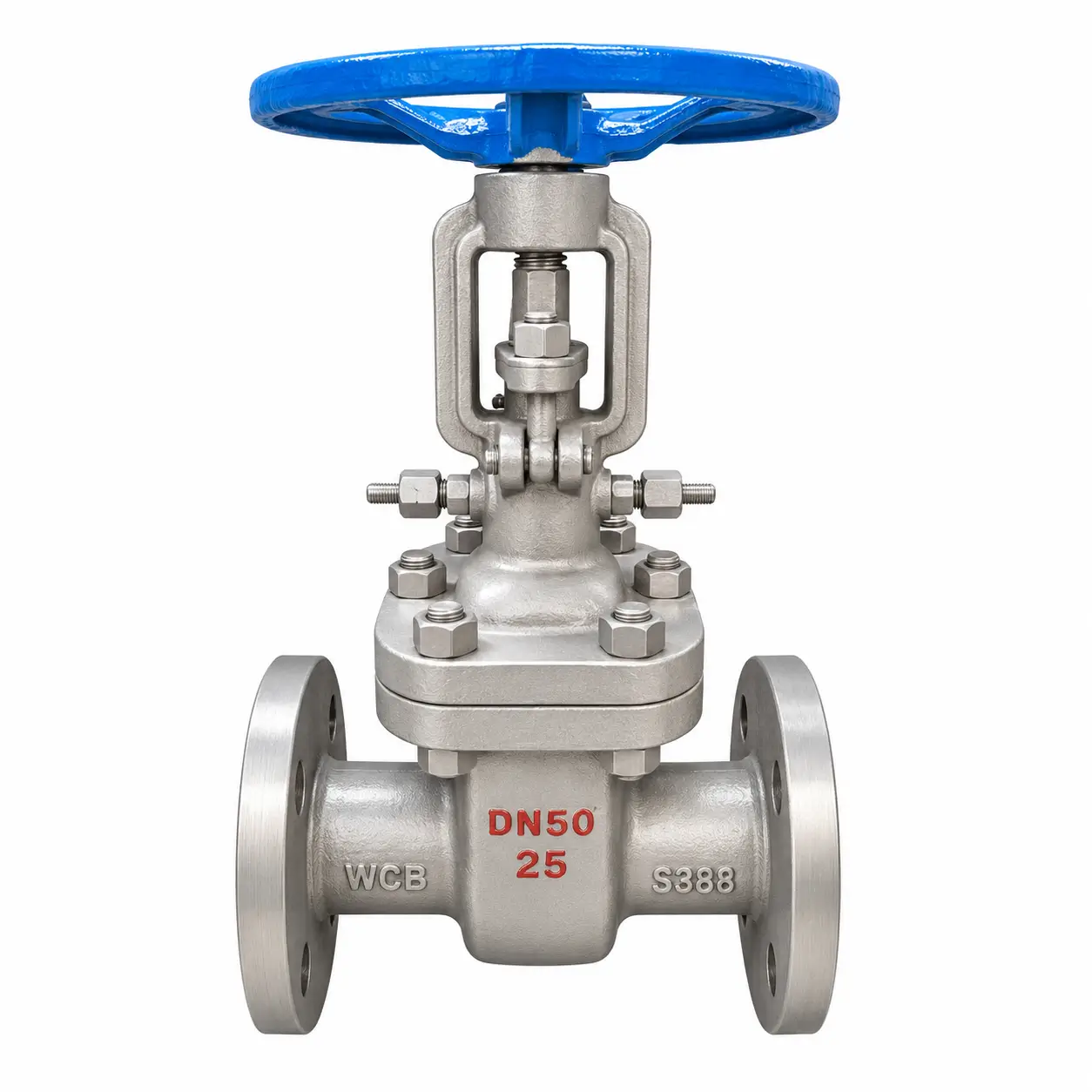
Gate Shut Off Valve
Designed for reliable full-open or full-close isolation in industrial pipelines, with multiple body materials and actuation options available.
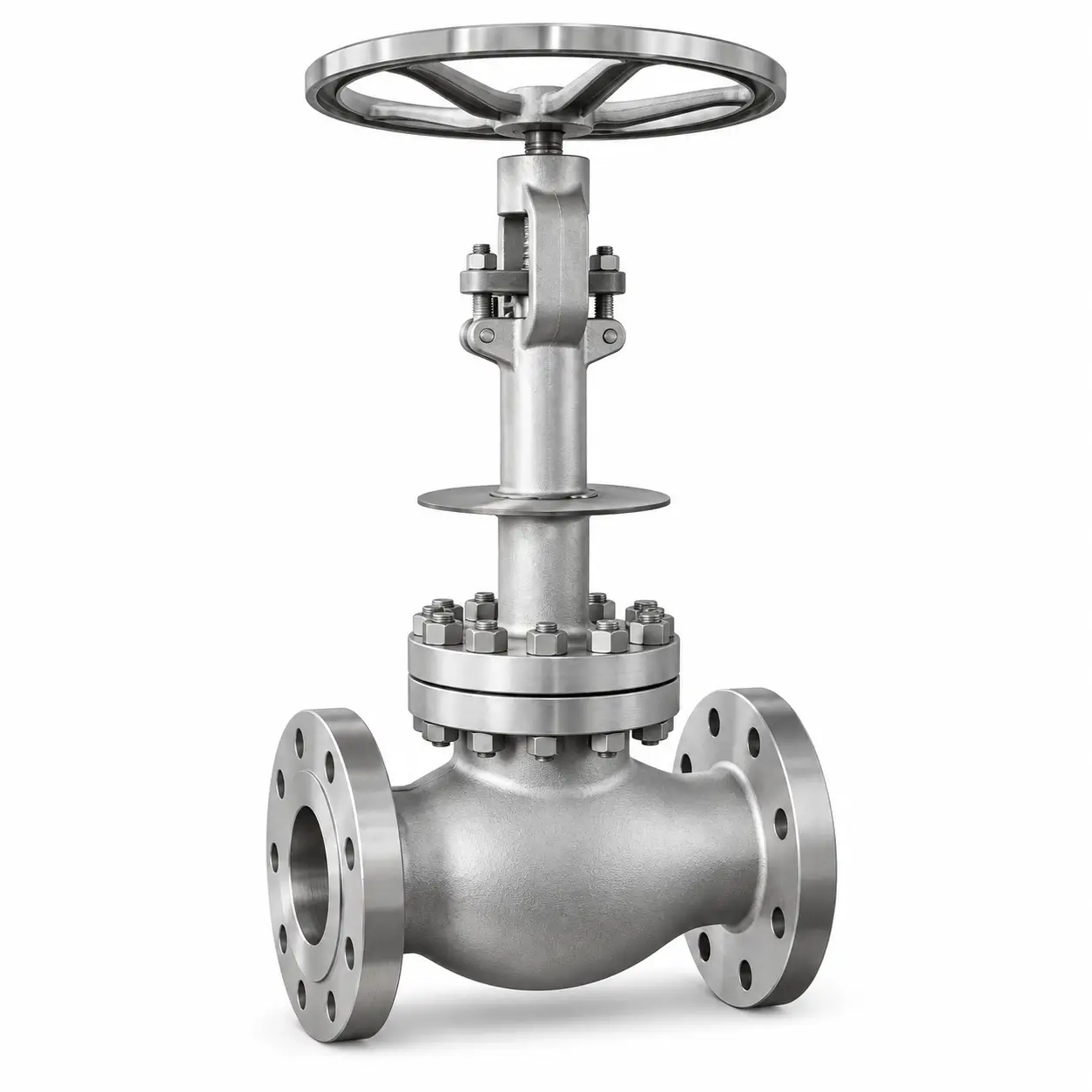
Globe Shut Off Valve
Suitable for industrial shut-off applications where reliable closing and more controlled flow handling are required.
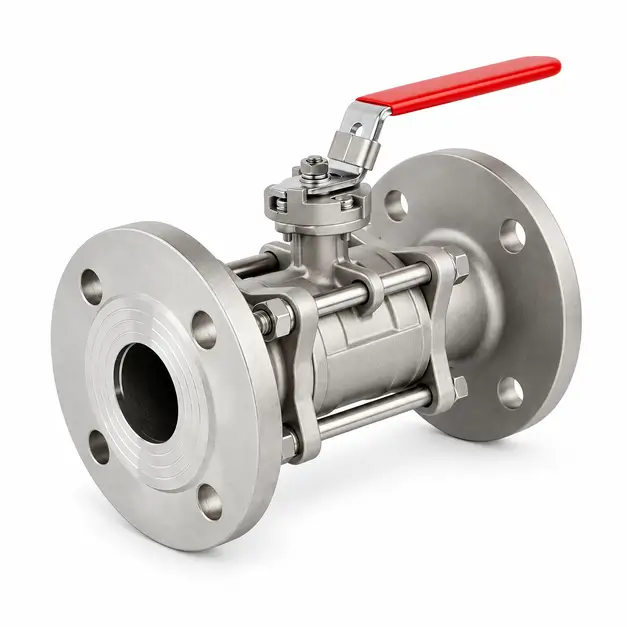
Ball Shut Off Valve
Quarter-turn shut-off valves for fast operation, compact automation and reliable pipeline isolation.
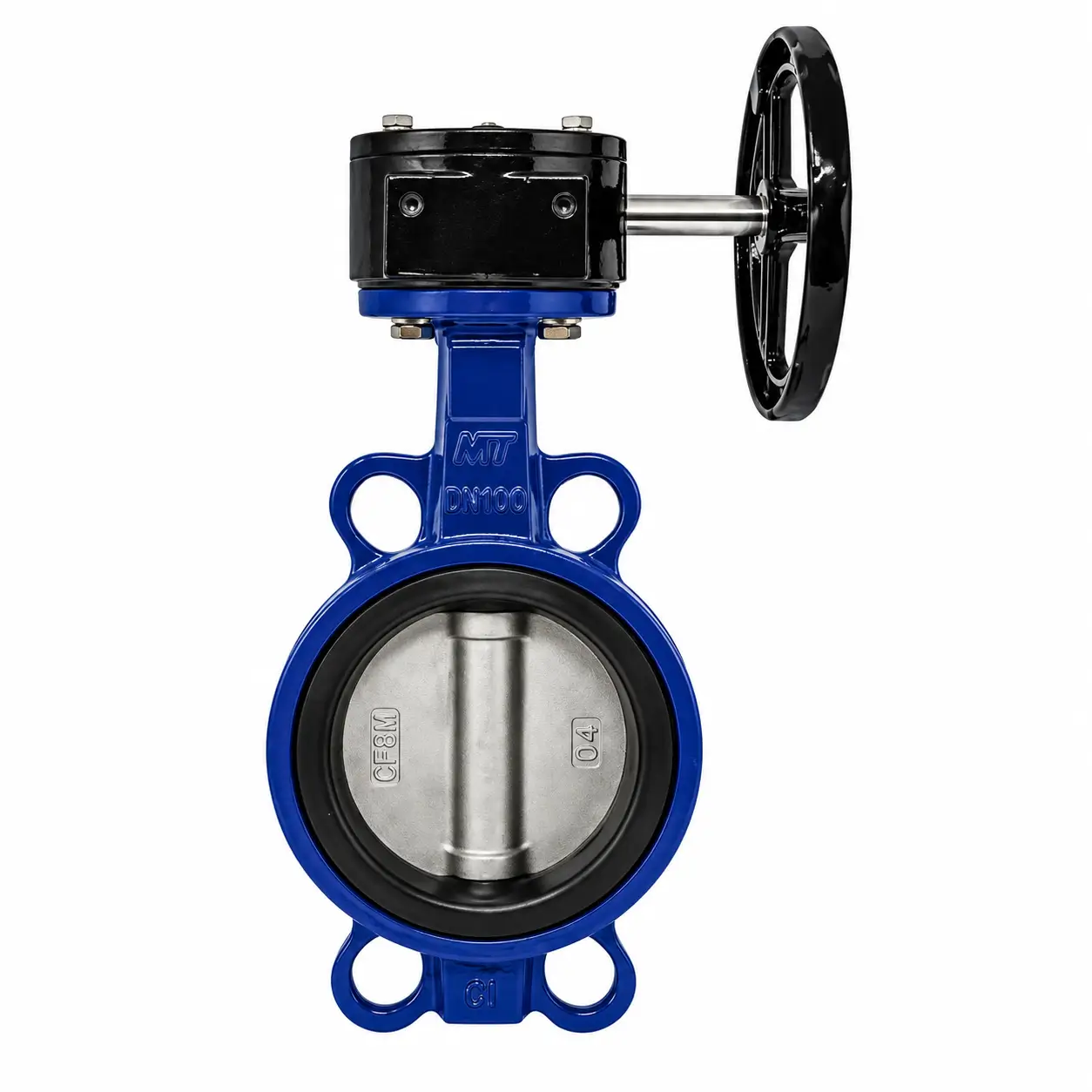
Butterfly Shut Off Valve
Compact quarter-turn shut-off valves for large-diameter pipelines and space-sensitive installations.
Selection by Media and Service
When selecting a shut-off valve, the valve type is only the first step. The factors that truly influence the selection are the medium, operating pressure, temperature, pipe diameter, opening and closing frequency, and operating method.
Our product range includes gate valves, globe valves, ball valves, and butterfly valves, and we offer various designs and material configurations for water, steam, oil, air, and certain specialty media.
| Media / Service | Recommended Valve Types | Selection Focus |
|---|---|---|
| Water & Utility Service | Gate Valve / Ball Valve / Butterfly Valve / Globe Valve | Pipe size, pressure, operation frequency, seat design |
| Steam Service | Gate Valve / Globe Valve / Suitable Ball Valve / Hard-Seated Butterfly Valve | Steam temperature, pressure, body material, trim and seat material |
| Oil & Process Fluids | Gate Valve / Ball Valve / Globe Valve / Butterfly Valve | Medium compatibility, temperature, sealing material, shut-off speed |
| Air Service | Ball Valve / Butterfly Valve / Globe Valve | Pressure, leakage requirement, sealing material, operation frequency |
| Oxygen Service | Oxygen-Specific Globe Valve | Oxygen-compatible design, materials, cleanliness and project requirements |
| Ammonia Service | Ammonia Globe Valve | Ammonia compatibility, temperature and sealing material |
| Low-Temperature Service | Low-Temperature Gate Valve | Minimum design temperature, body material, stem design and sealing |
| Corrosive Media | Material-Specific Ball Valve / Globe Valve | Medium composition, concentration, temperature and corrosion resistance |
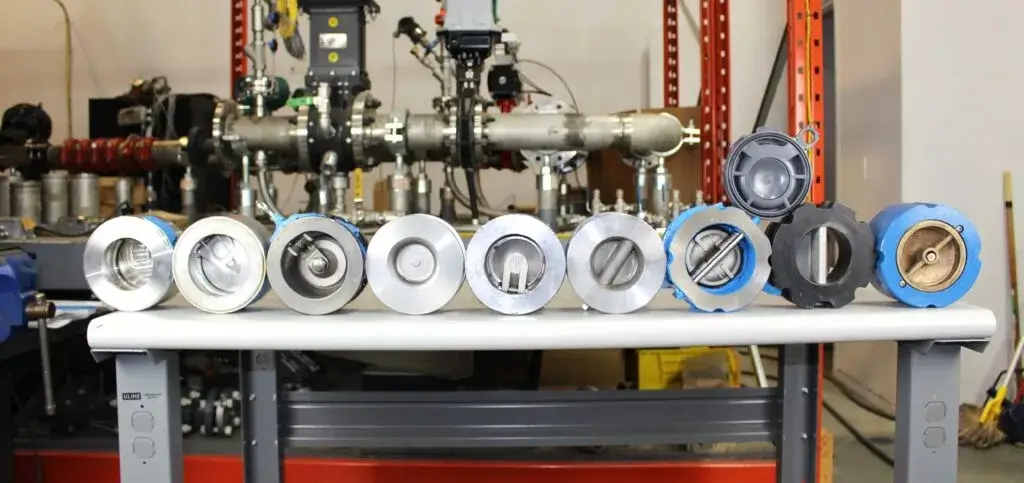
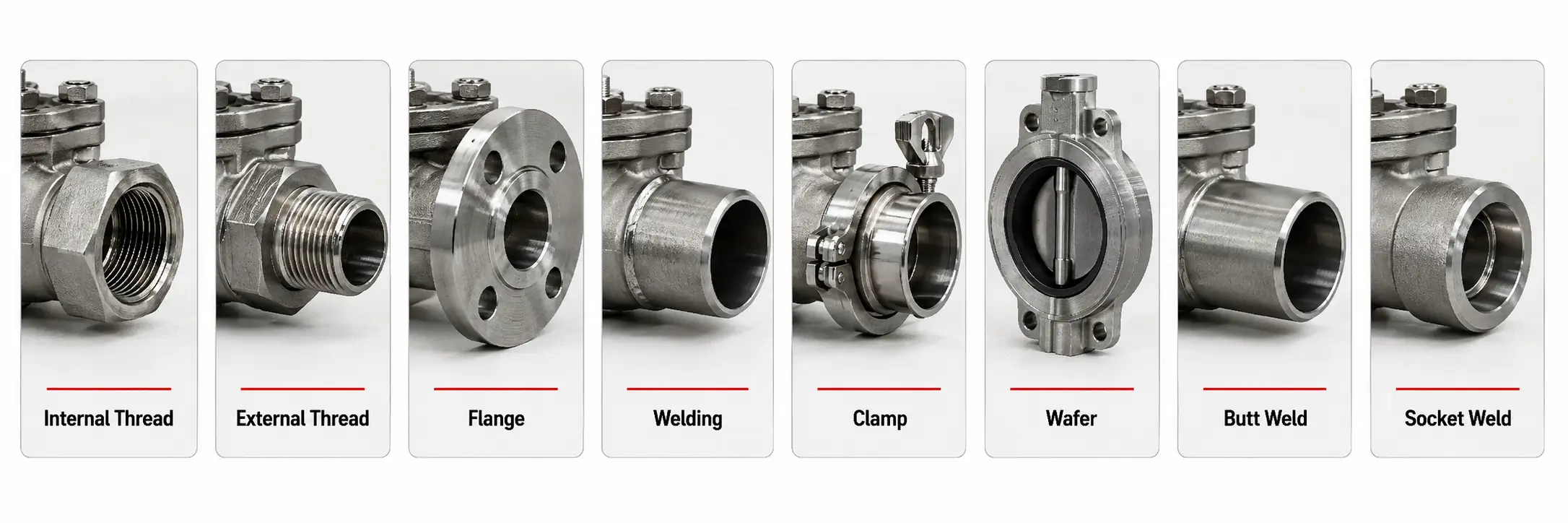
Various Connection Types
In industrial projects, check valves must comply with the corresponding connection methods and installation requirements.
Shut Off Valve Applications
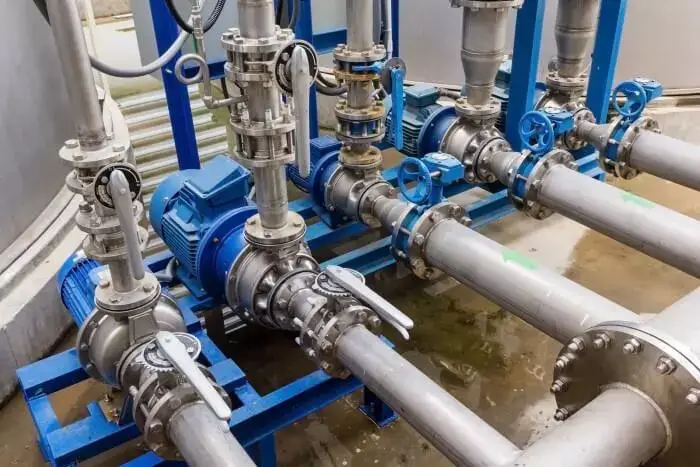
Shut-off valves are used to open or shut off the flow of media in pipelines during normal operation, equipment maintenance, or process switching. Different operating conditions impose different requirements on valve design. When selecting a valve, consider the media, pressure, temperature, pipe diameter, operating frequency, and required operating method to choose the appropriate type from among gate valves, globe valves, ball valves, and butterfly valves.
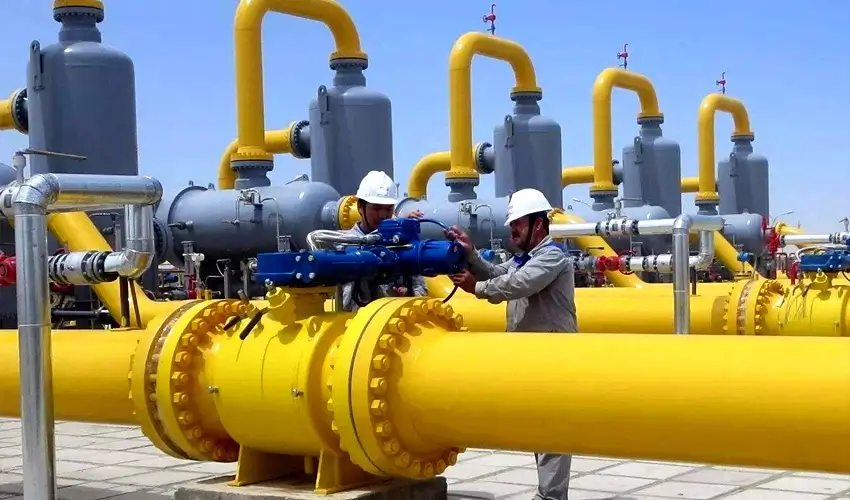
Water & Utility Pipelines
For main lines that need to remain fully open or fully closed for extended periods, gate valves should be the primary consideration; for applications requiring rapid opening and closing, ball valves should be considered; and for large-diameter water lines or those with limited installation space, butterfly valves should be further evaluated.
Key Selection Criteria:
Pressure · Pipe Size · Shut-Off Frequency · Seat Type · Actuation
Steam Systems
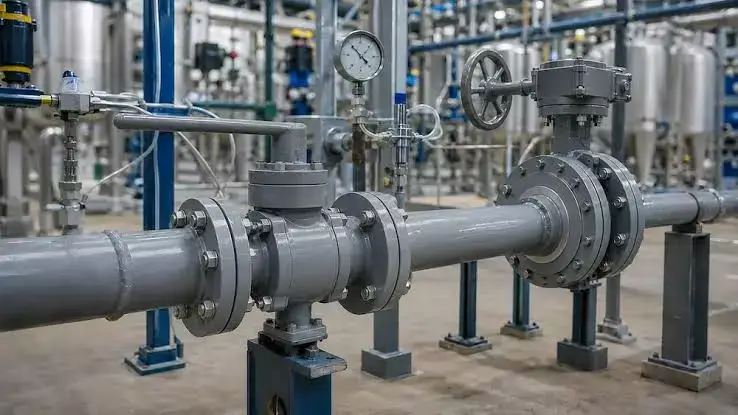
Some standard shut-off valves are rated for temperatures of approximately 425–450°C; however, the specific upper limit must be confirmed based on the corresponding model and cannot be considered a uniform parameter for all shut-off valves.
In steam applications, in addition to pressure, special consideration must be given to temperature, seat material, and sealing design.
Key Selection Criteria:
Steam Temperature · Pressure · Seat Material · Body Material · Leakage Requirement
Oil & Process Fluid Lines
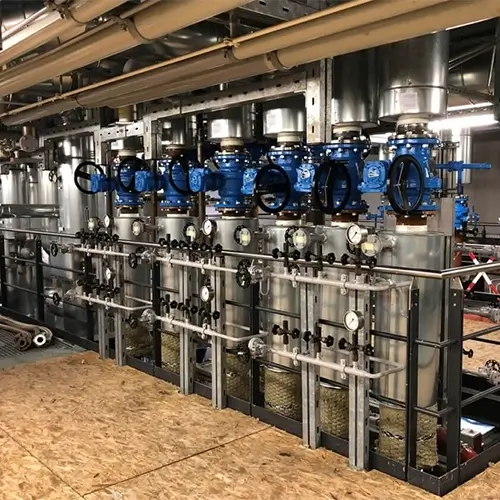
If the system requires rapid shut-off, a ball valve is more suitable for further evaluation; if the valve is primarily used for isolating main pipelines, a gate valve is also a common choice.
For high-temperature oils or special process media, the valve body, seat, sealing materials, and temperature range should be verified separately.
Key Selection Criteria:
Medium · Temperature · Pressure · Seat Compatibility · Shut-Off Speed
Air & Gas Service
Gas systems are often more sensitive to leaks; therefore, shut-off valves should not be selected based solely on DN and PN. It is also necessary to verify the seat design, seal material, and permissible leakage requirements.
Key Selection Criteria:
Gas Type · Pressure · Leakage Requirement · Seal Material · Operating Frequency

Looking for the Right Valve?
Tell us your medium, pressure, temperature, valve size or application. Our team will help you find a suitable valve solution and provide a quotation.
Frequently Asked Questions
1. What Is a Shut Off Valve?
A “shut-off valve” is a functional category of valves used to open or shut off the flow of media in pipelines; it is not a specific valve design.
In industrial piping systems, gate valves, globe valves, ball valves, and butterfly valves can all serve as shut-off valves depending on the specific operating conditions.
Therefore, when selecting a shut-off valve, the more important question is not “which type is called a shut-off valve,” but rather: which valve design is best suited for your specific medium, pressure, temperature, pipe diameter, and operating method.
2. What Is the Difference Between a Shut Off Valve and an Isolation Valve?
In industrial applications, the two terms are often used interchangeably.
A “Shut-Off Valve” places greater emphasis on the functional action of “cutting off the flow of fluid.”
An “Isolation Valve” places greater emphasis on the purpose of “isolating equipment or a section of piping from the system.”
In actual projects, the same gate valve, ball valve, or other type of valve may be referred to as both a shut-off valve and an isolation valve.
Therefore, when selecting a valve, one should not rely solely on the name but should confirm the following:
- – Whether it fulfills the required shut-off function
- – Whether it is suitable for the specific medium
- – Whether the pressure and temperature specifications are compatible
- – Whether it meets the project’s sealing requirements
3. Which Valve Is Best for Shut-Off Service?
No single type of shut-off valve is suitable for all operating conditions.
In general engineering selection:
- Gate Valve: More suitable for main pipelines that need to remain fully open or fully closed for extended periods.
- Ball Valve: Suitable for applications requiring rapid opening and closing.
- Butterfly Valve: Worth careful consideration for large-diameter pipelines and situations with limited installation space.
- Globe Valves: These can be considered when reliable shutoff is required while maintaining some regulation capability.
The specific selection still depends on the medium, pressure, temperature, pipe diameter, and operating frequency.
4. What Media Can Your Shut Off Valves Handle?
Compatible with:
– Water
– Steam
– Oil
– Air
– Gas
– Certain special chemical media
5. Do You Have Shut Off Valves for Low-Temperature Service?
Yes.
We manufacture a series of low-temperature gate valves designed to operate at temperatures ranging from approximately -46°C to -196°C.