
China Isolation Valve Manufacturer
Industrial isolation valves for reliable shut-off across different pressure, temperature and media conditions.
Our product range includes gate, globe, ball and butterfly valves, with materials, pressure ratings, connection types and actuation options selected according to your actual operating requirements.
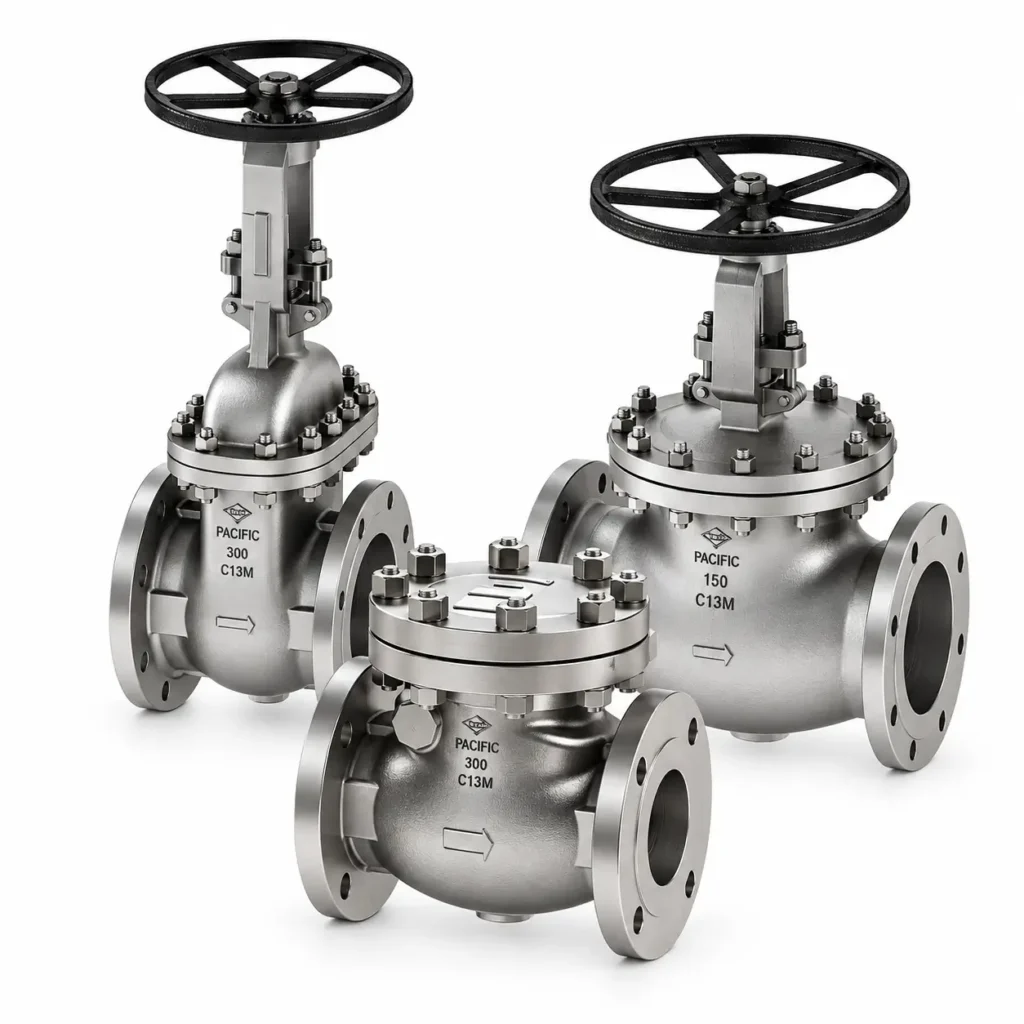
Isolation Valve Types
Isolation valves in industrial piping are primarily used to reliably isolate a specific section of piping from the rest of the system during equipment maintenance, medium switching, or system malfunctions.However, isolation valves of different designs vary significantly in terms of flow resistance, opening and closing speed, installation space, pressure and temperature ranges, and operating methods. Therefore, isolation valves should not be selected based solely on DN or pressure rating; rather, the valve design must be determined based on specific operating conditions. We offer the following main types of industrial isolation valves.
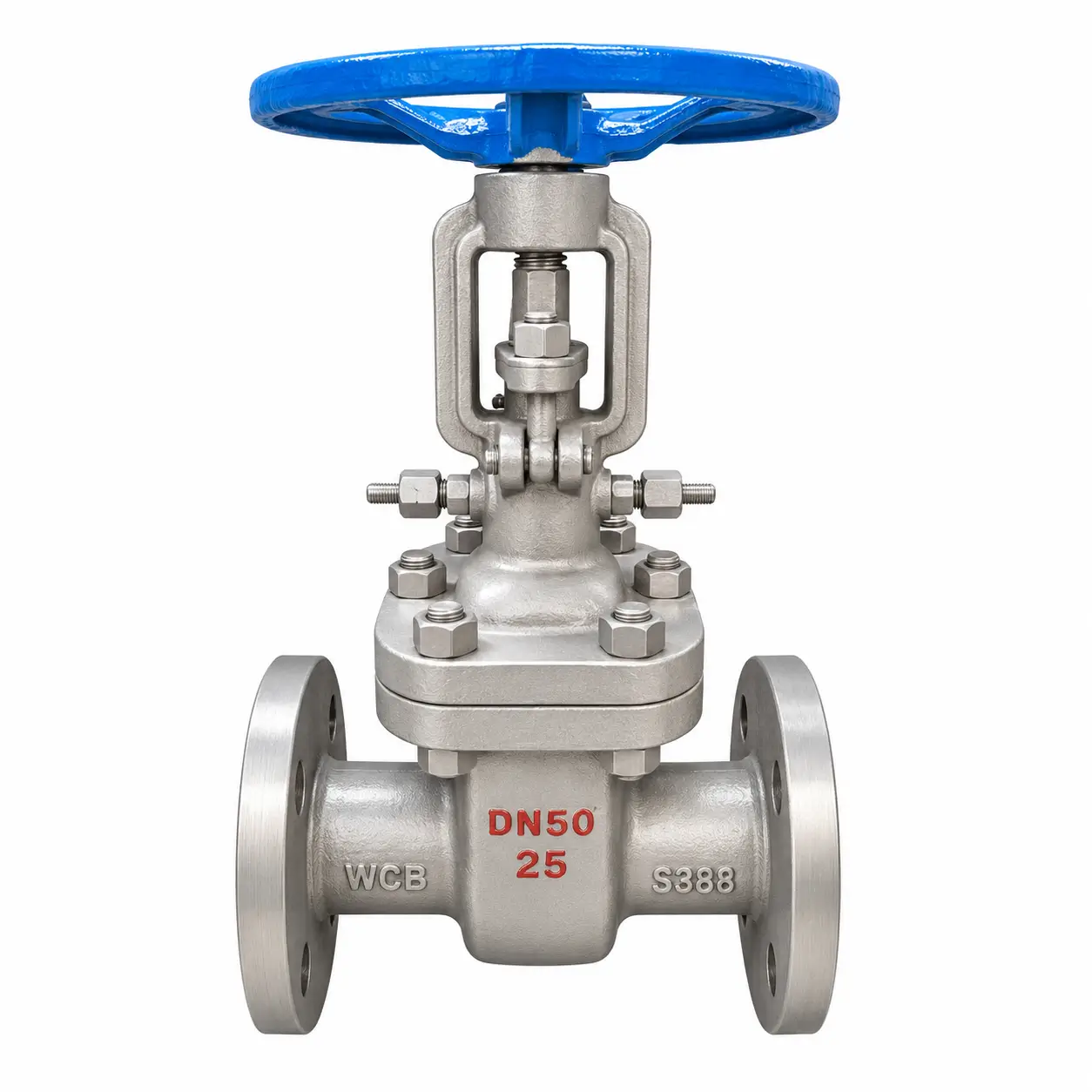
Isolation Gate Valve
The pipeline is opened and closed by the movement of the gate valve.
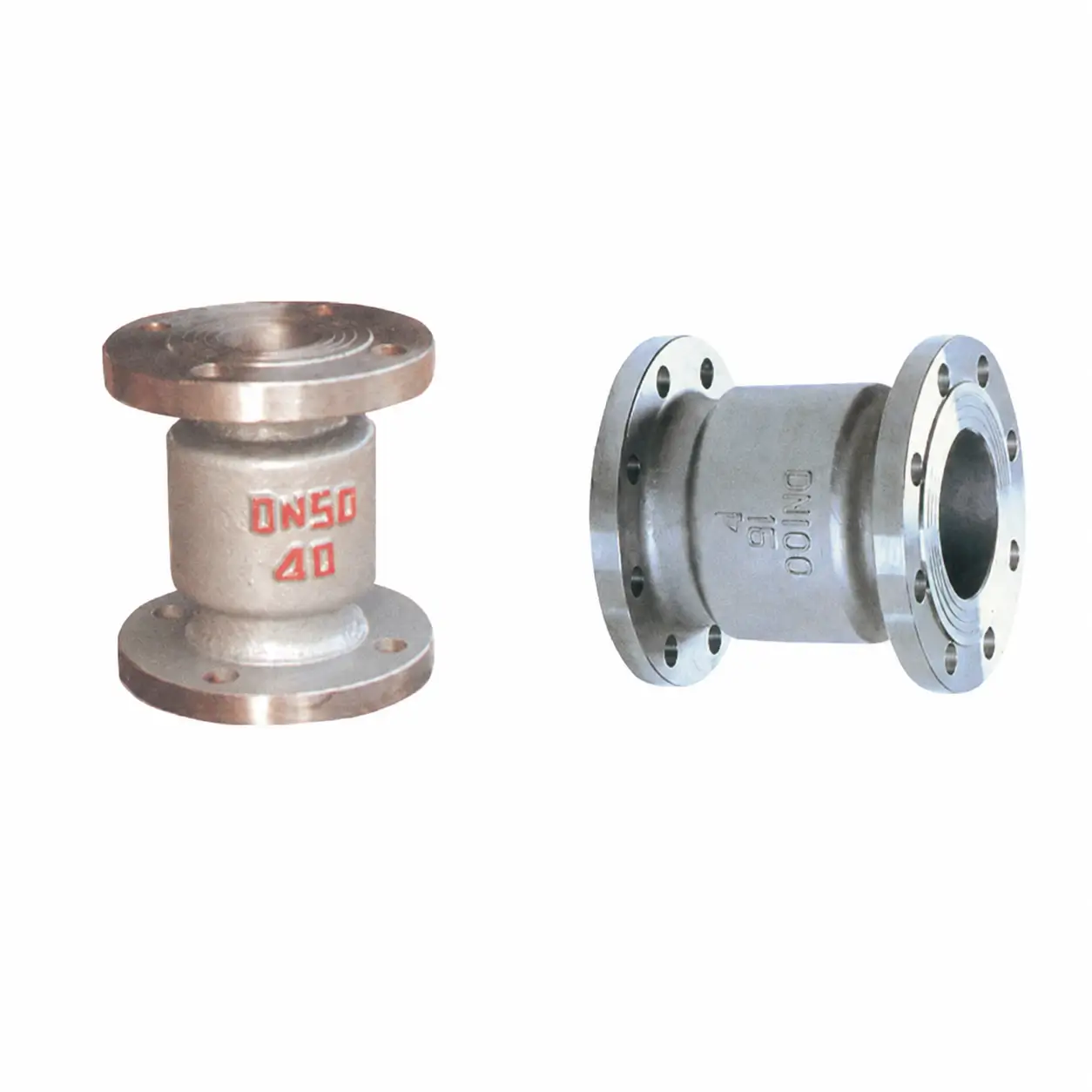
Isolation Globe Valve
The medium is cut off through axial movement.
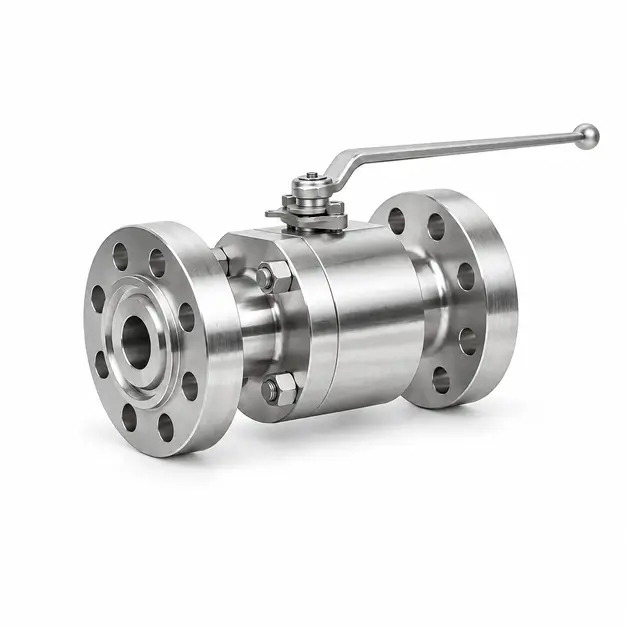
Isolation Ball Valve
Rotate the sphere with the through-hole approximately 90° to open and close it.
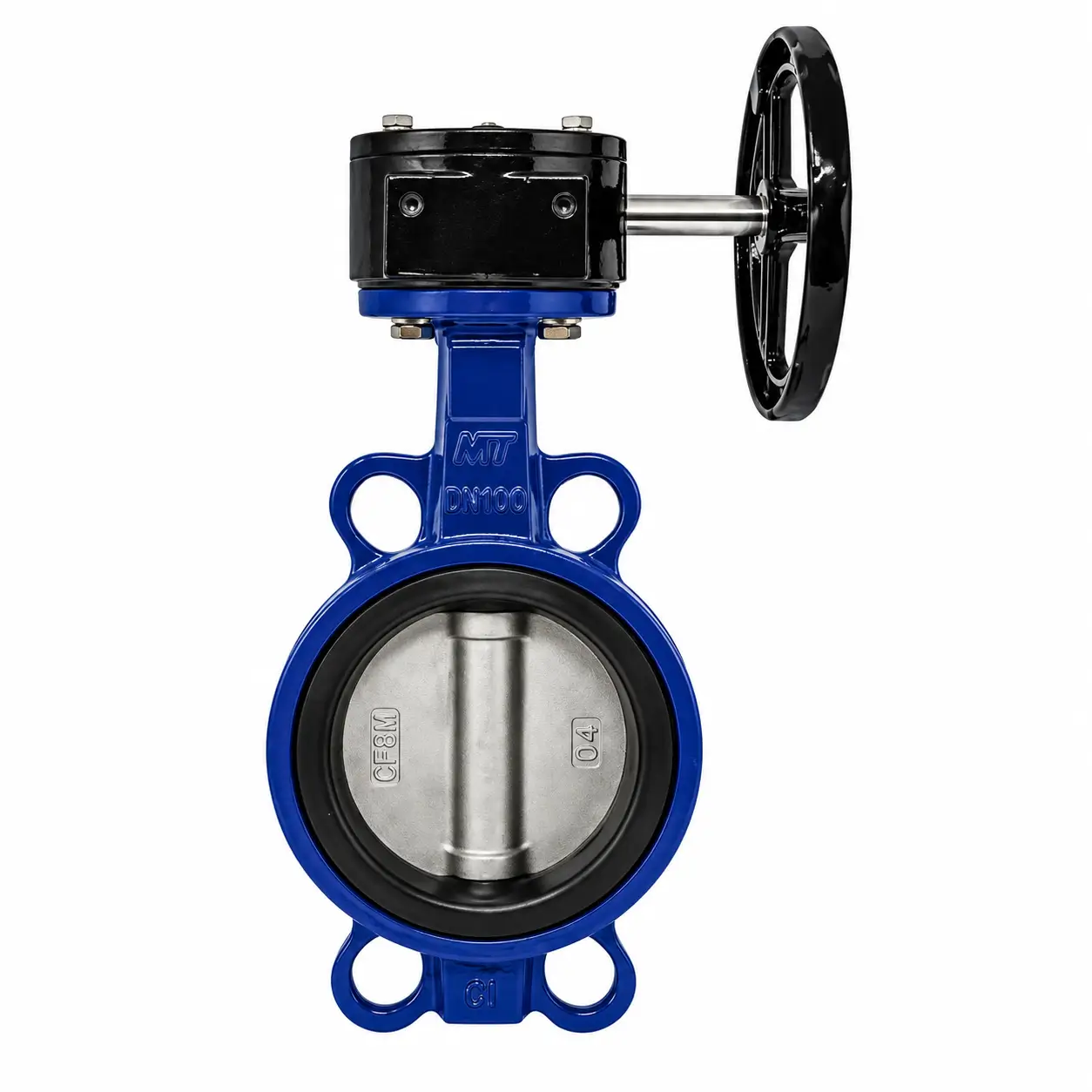
Isolation Butterfly Valve
The valve opens and closes by rotating the valve plate approximately 90°.
Selecting the Appropriate Isolation Valve Configuration Based on Actual Operating Conditions
FJZS’s Isolation Valve product line includes various designs, such as gate valves, ball valves, globe valves, and butterfly valves. Actual specifications vary depending on the valve type, material, and specific model; therefore, when selecting a valve, you should confirm the medium, pressure, temperature, nominal diameter, connection type, and operating method.
| Parameter | Available Options / Range | Selection Notes |
|---|---|---|
| Valve Type | Gate Valve / Ball Valve / Globe Valve / Butterfly Valve | Select according to shut-off speed, pressure drop, pipeline size and operating frequency. |
| Nominal Pressure | Multiple series from PN1.6 to PN16.0 MPa; selected ANSI gate valve models up to Class 2500 | The maximum pressure rating depends on the specific valve structure, material and model. |
| Nominal Size | Model-dependent; selected gate valve series cover approximately DN15–DN1000 | Valve size should be matched with pipeline diameter, installation space and flow requirements. |
| Operating Temperature | Normal, high-temperature and low-temperature options; selected models up to approximately 450°C / 550°C, with specific low-temperature models down to -46°C or -196°C | Temperature directly affects body material, stem material and sealing configuration. |
| Body Material | WCB / HT250 / QT400-15 / H62 / Cr5Mo / 1Cr18Ni9Ti / Cr18Ni12Mo2Ti / 12Cr1MoV | Material selection should be based on medium, corrosion level, operating temperature and pressure. |
| Applicable Media | Water / Steam / Oil / Gas / Oxygen / Low-Temperature Media / Selected Corrosive Media | Special media such as oxygen, cryogenic fluids or corrosive service require dedicated valve configurations. |
| Connection | Flanged / Threaded / Other model-specific connections | Connection type should match the pipeline standard and site installation conditions. |
| Actuation | Manual / Worm Gear / Pneumatic / Hydraulic / Electric | Remote operation, automation and frequent cycling should be considered when selecting the actuator. |
| Isolation Function | Full Open / Full Close / Pipeline Isolation / Equipment Isolation | If throttling or flow regulation is also required, valve structure should be selected accordingly. |
| Special Service | Oil & Gas / Oxygen / Low Temperature / Corrosive Media | Special-service valves should be confirmed according to project-specific pressure, temperature, material and sealing requirements. |
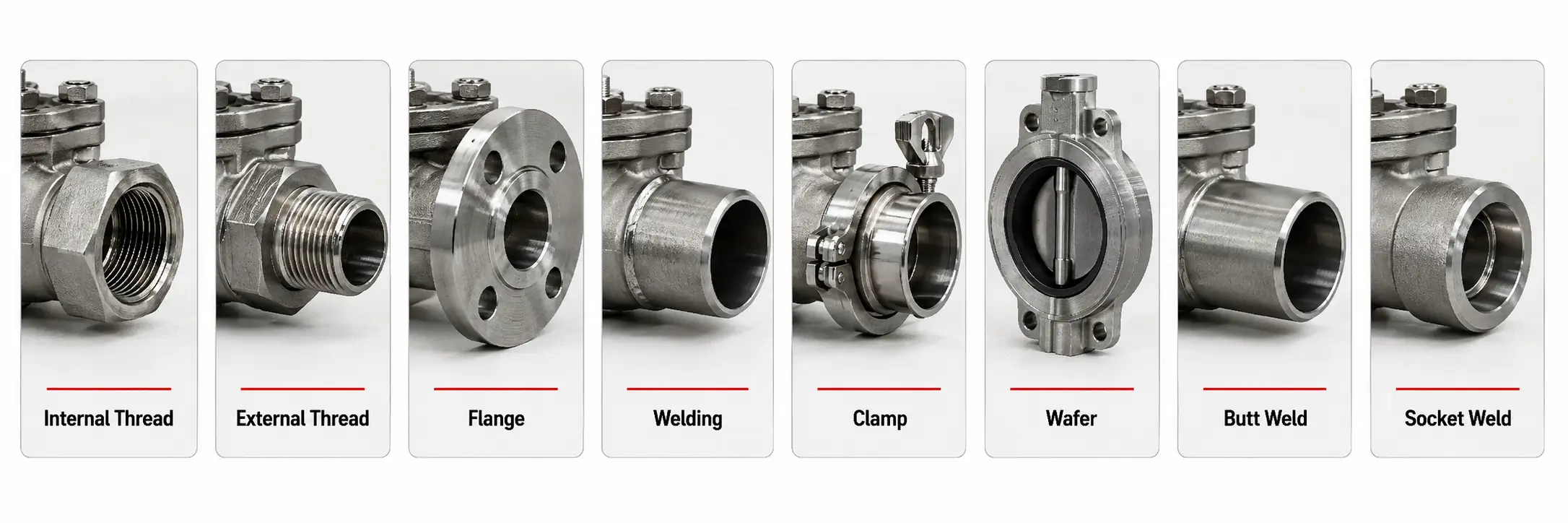
Various Connection Types
In industrial projects, valves must comply with the corresponding connection methods and installation requirements.
Isolation Valve Industry Applications
The primary function of an isolation valve is to reliably shut off the flow of a medium when necessary, thereby safely isolating equipment, pipelines, or process sections. When selecting a valve, one should not rely solely on the valve’s name; instead, factors such as the medium, pressure, temperature, pipe diameter, material, and operating method must also be considered.
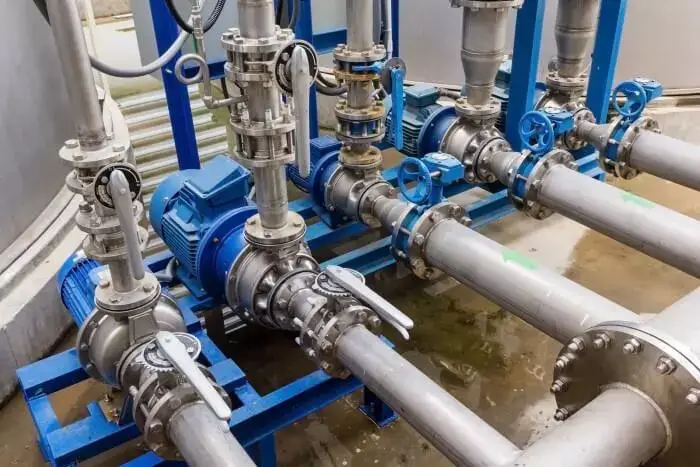
Water, Steam & Oil Pipelines
Suitable for equipment isolation, pipeline section shutdown, and maintenance zoning in industrial water, steam, and oil transportation systems. Different valve types, such as gate valves and globe valves, can be selected based on temperature, pressure, and operating frequency.
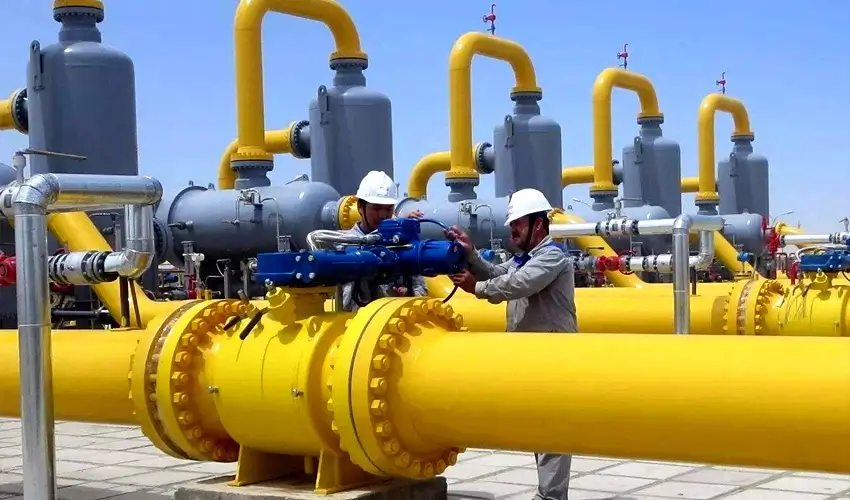
Oil & Gas Systems
For oil and natural gas transmission and process pipelines, we offer isolation solutions such as specialized gate valves and slab gate valves for pipeline shutdown, equipment maintenance, and process section isolation.
Oxygen Pipeline Systems
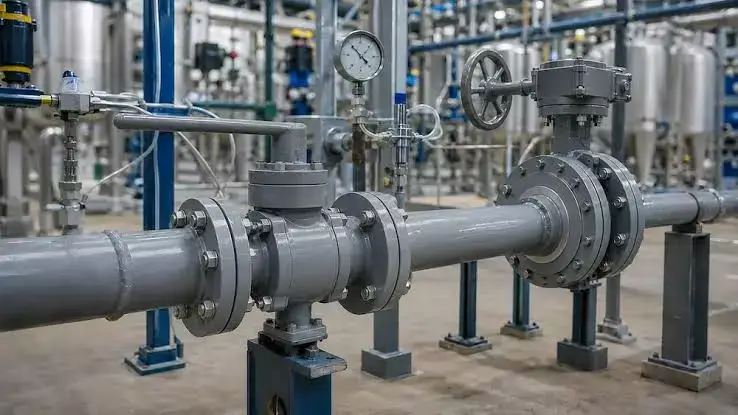
Oxygen applications impose stricter requirements on materials and valve configurations; valves cannot be selected based solely on standard media specifications. FJZS offers the JY41W series of oxygen-specific globe valves, which can be configured according to specific pressure ratings and material requirements for use in shutting off and isolating industrial oxygen pipelines.

Looking for the Right Valve?
Tell us your medium, pressure, temperature, valve size or application. Our team will help you find a suitable valve solution and provide a quotation.
Frequently Asked Questions About Isolation Valve
1. What is an isolation valve? Is it a distinct type of valve?
The term “isolation valve” primarily describes the valve’s function—namely, to shut off the flow of a medium when necessary and isolate a specific section of piping, equipment, or process system—and does not refer to any specific, fixed design.
In actual industrial systems, gate valves, ball valves, globe valves, and some butterfly valves can all perform isolation functions; however, their suitability must be determined based on the medium, pressure, temperature, nominal diameter, and operating frequency.
2. For which media can isolation valves be used?
This depends on the specific valve model, body material, and sealing configuration selected. The FJZS product data sheet covers applications involving water, steam, oils, as well as certain gases and special media, and also includes specialized valve series for oxygen and cryogenic applications.
Therefore, it cannot be simply assumed that a single type of isolation valve is suitable for all media. Providing accurate information on the medium, pressure, and temperature when requesting a quote will help us further determine the appropriate design and materials.
3. What materials are available for isolation valves?
The valve body material must be selected based on the medium, pressure, and temperature conditions. The valve body materials listed in our product documentation include WCB, HT250, QT400-15, H62, Cr5Mo, 1Cr18Ni9Ti, Cr18Ni12Mo2Ti, 12Cr1MoV, and other material configurations.
A higher-grade material is not necessarily better; rather, it must be matched to the actual operating conditions. For example, when corrosion, temperature, or pressure conditions change, the selection of valve body and seal materials may also differ.
4. Can you supply isolation valves according to project specifications or a datasheet?
We can match products and confirm configurations based on your drawings, datasheets, or technical requirements.
We recommend providing the following information:
Medium · Pressure · Temperature · Valve Size · Connection · Body Material · Actuation · Quantity
If your project has specific requirements regarding overall length, connection standards, materials, or actuators, we also recommend providing this information during the quote request stage to reduce the time required for subsequent technical confirmation.
5. I don’t know the exact model number. Can I still request a quote?
Yes.
Even if you don’t have the complete model number, just let us know the medium, operating pressure, operating temperature, pipe diameter, connection type, and quantity, and we can help you narrow down the range of suitable isolation valves.
If you have a nameplate from the old valve, drawings, a datasheet, or photos from the site, please send those as well—they’ll help us confirm the product configuration more quickly.