Butterfly Valve Manufacturer in China
We specialize in the manufacture of industrial butterfly valves, offering soft-seal and hard-seal butterfly valves, as well as solutions featuring various drive mechanisms.
Based on the medium, pressure rating, temperature conditions, and operational requirements of the piping system, we select the appropriate valve body materials, sealing configurations, and drive mechanisms to meet the needs of industrial fluid control applications.
Butterfly Valve Product Range
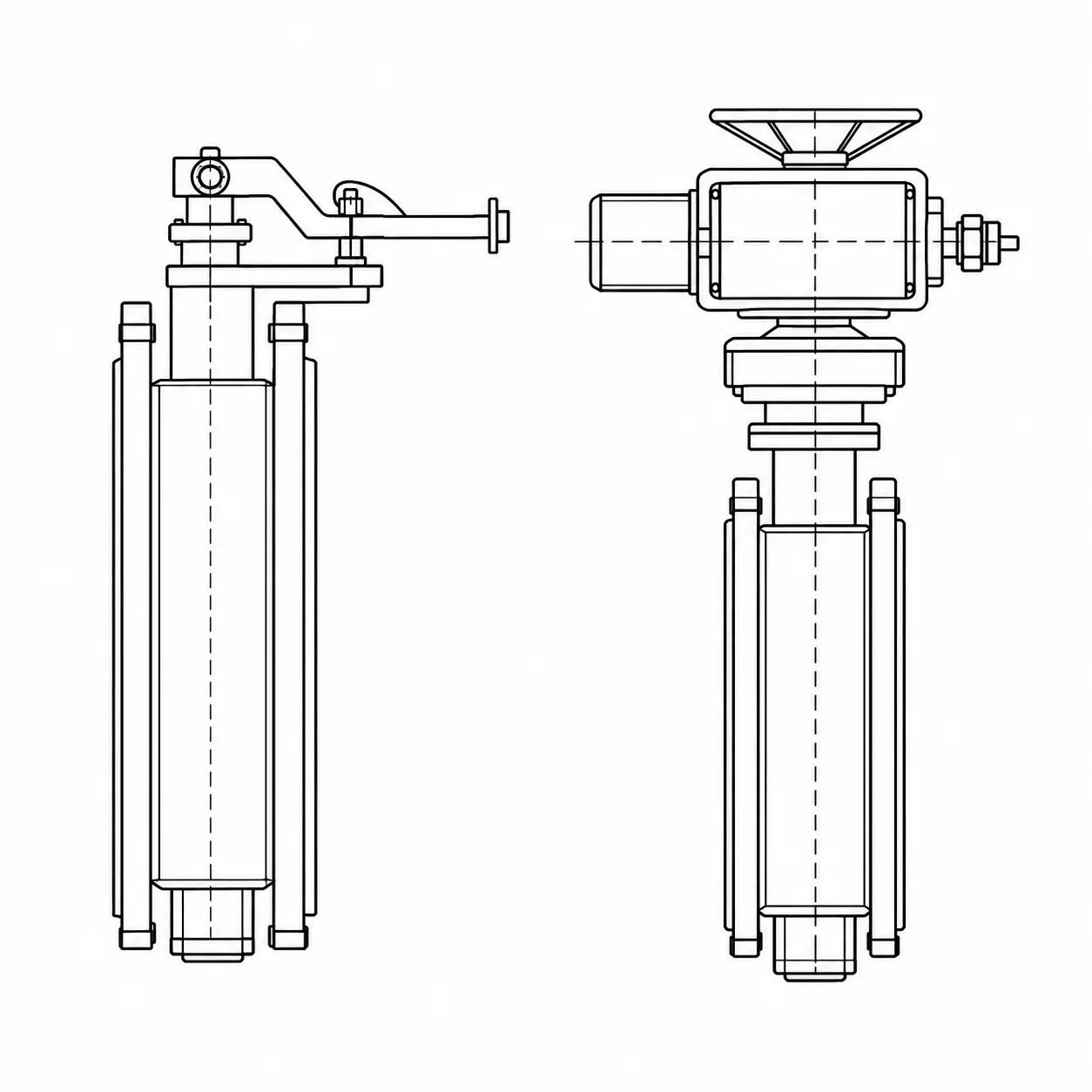
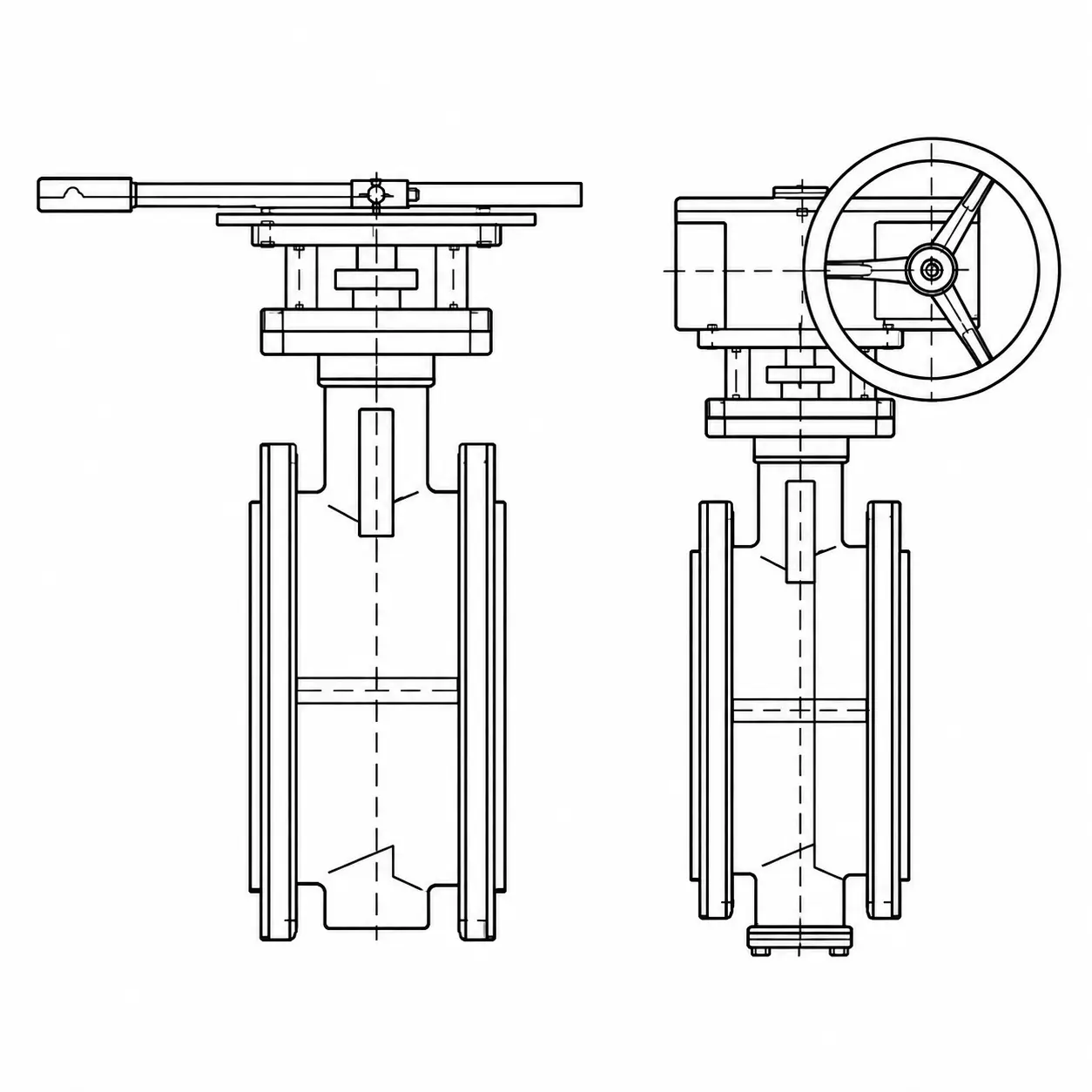
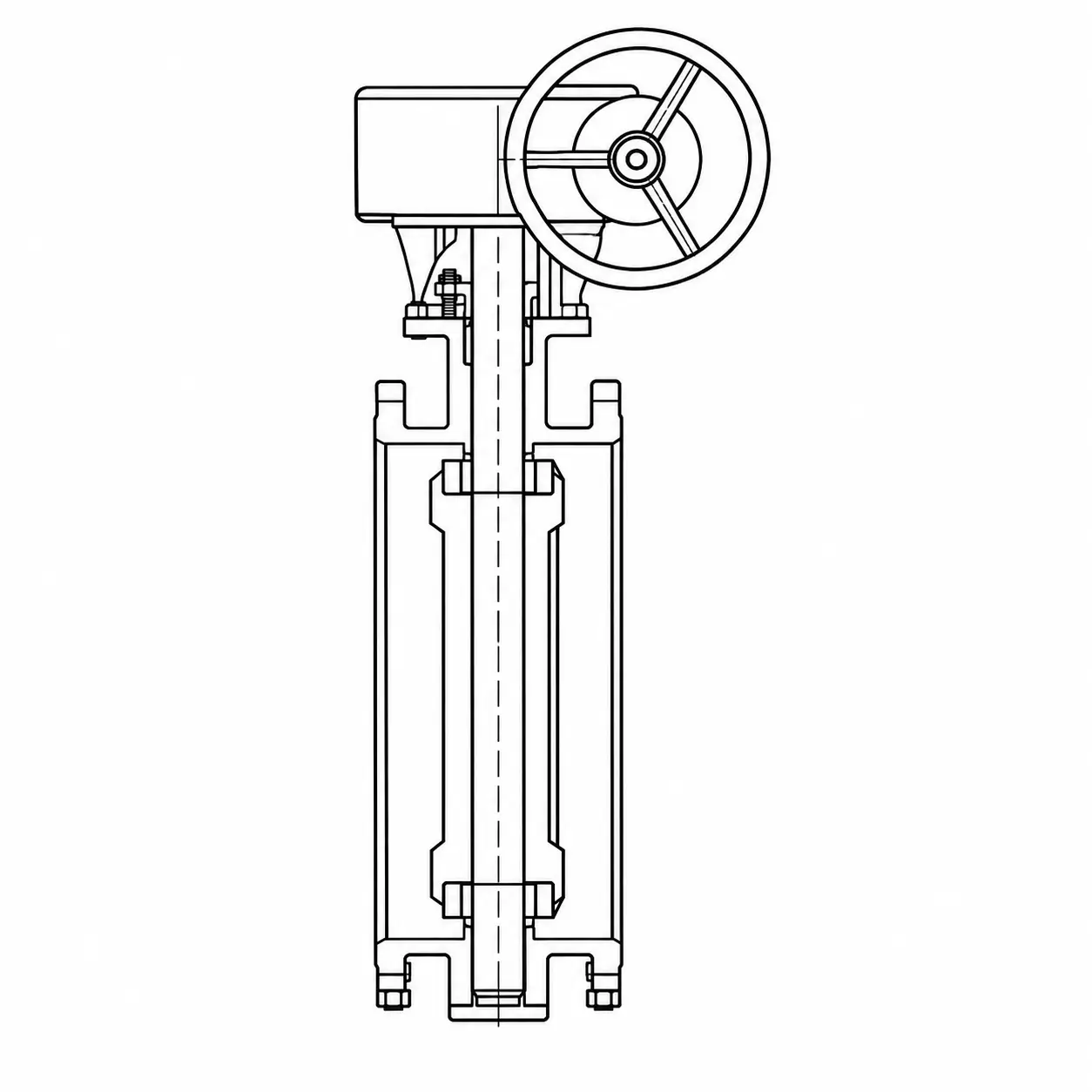
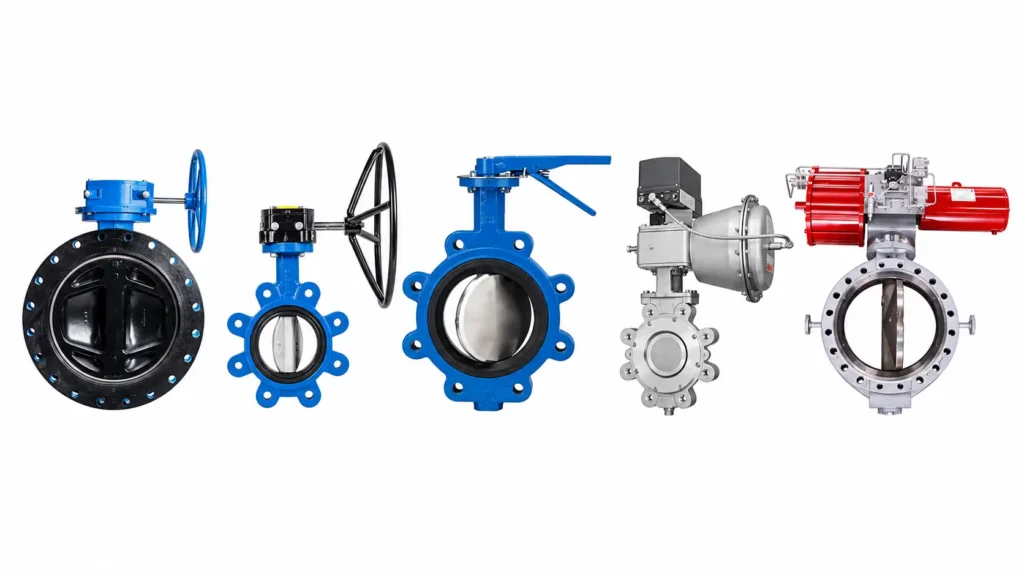
We offer a wide range of industrial butterfly valve solutions, including soft-seal butterfly valves, hard-seal butterfly valves, wafer-type butterfly valves, and butterfly valves with various operating mechanisms.

Soft Seated Butterfly Valve
Featuring a flexible seal design, it is suitable for conventional industrial fluid control systems that require high sealing performance.
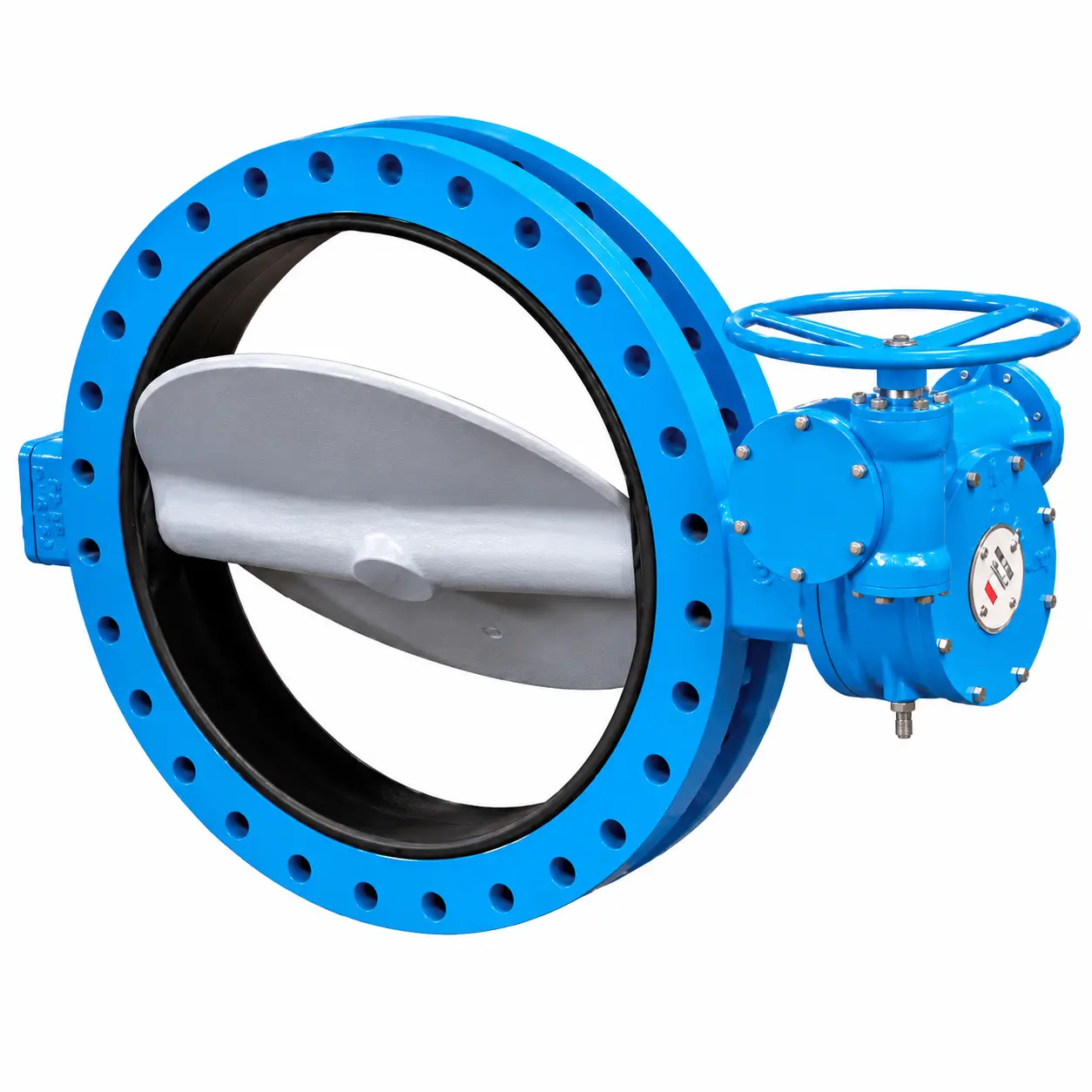
Hard Seated Butterfly Valve
The metal-seal design is more suitable for higher temperatures or harsher industrial environments than soft-seal designs.
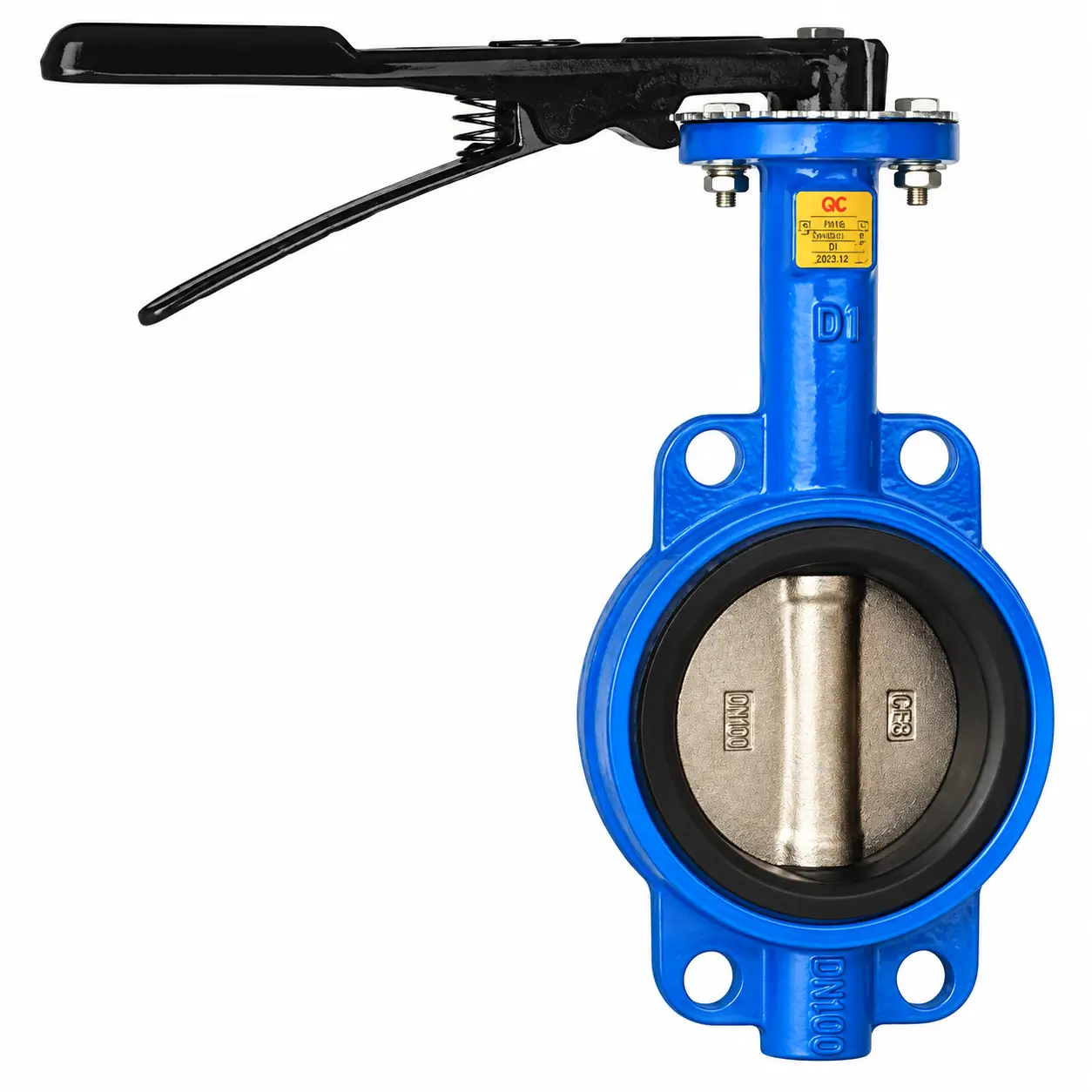
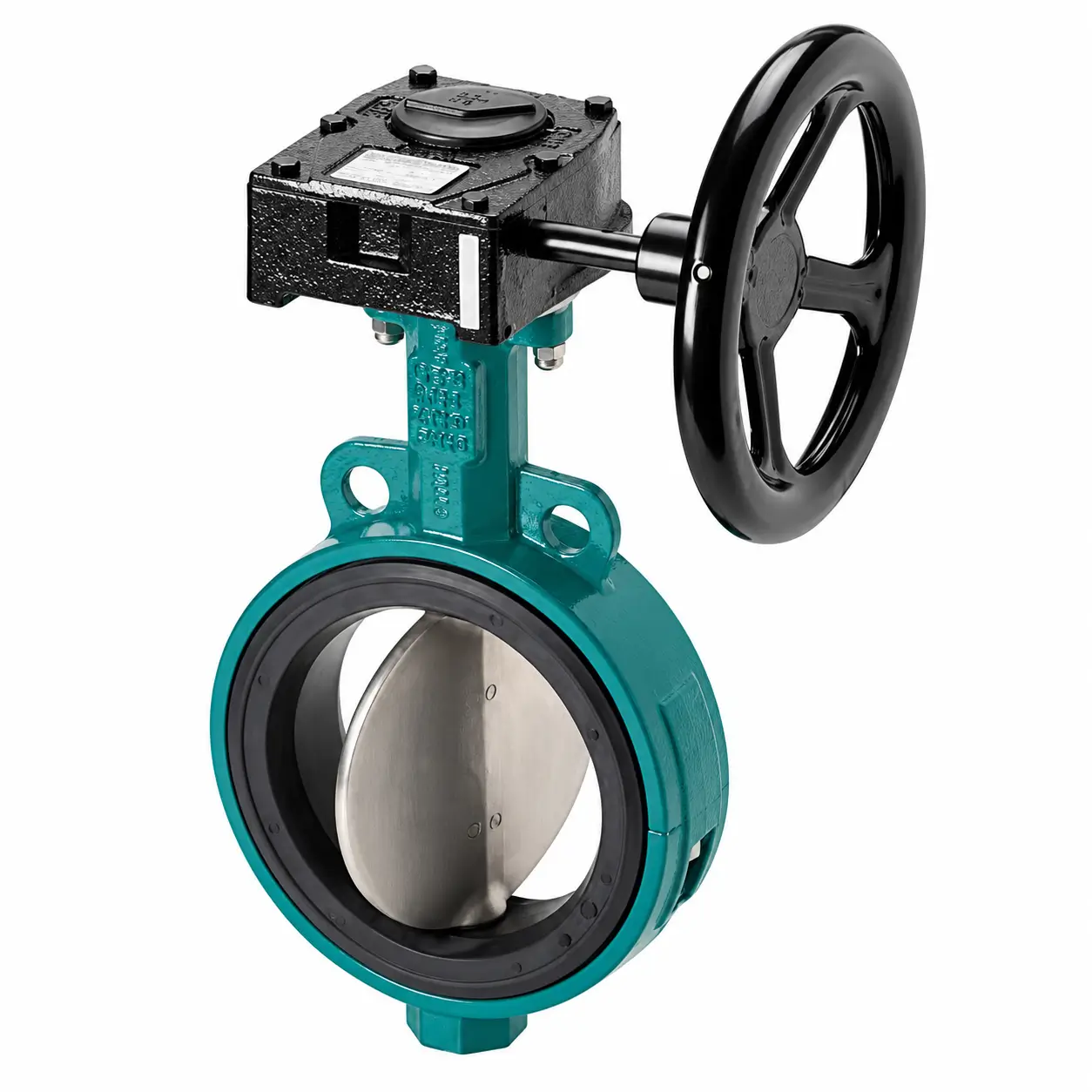
Wafer Butterfly Valve
It is bolted between the flanges of two pipe sections and features a compact design, relatively light weight, and minimal installation space requirements.
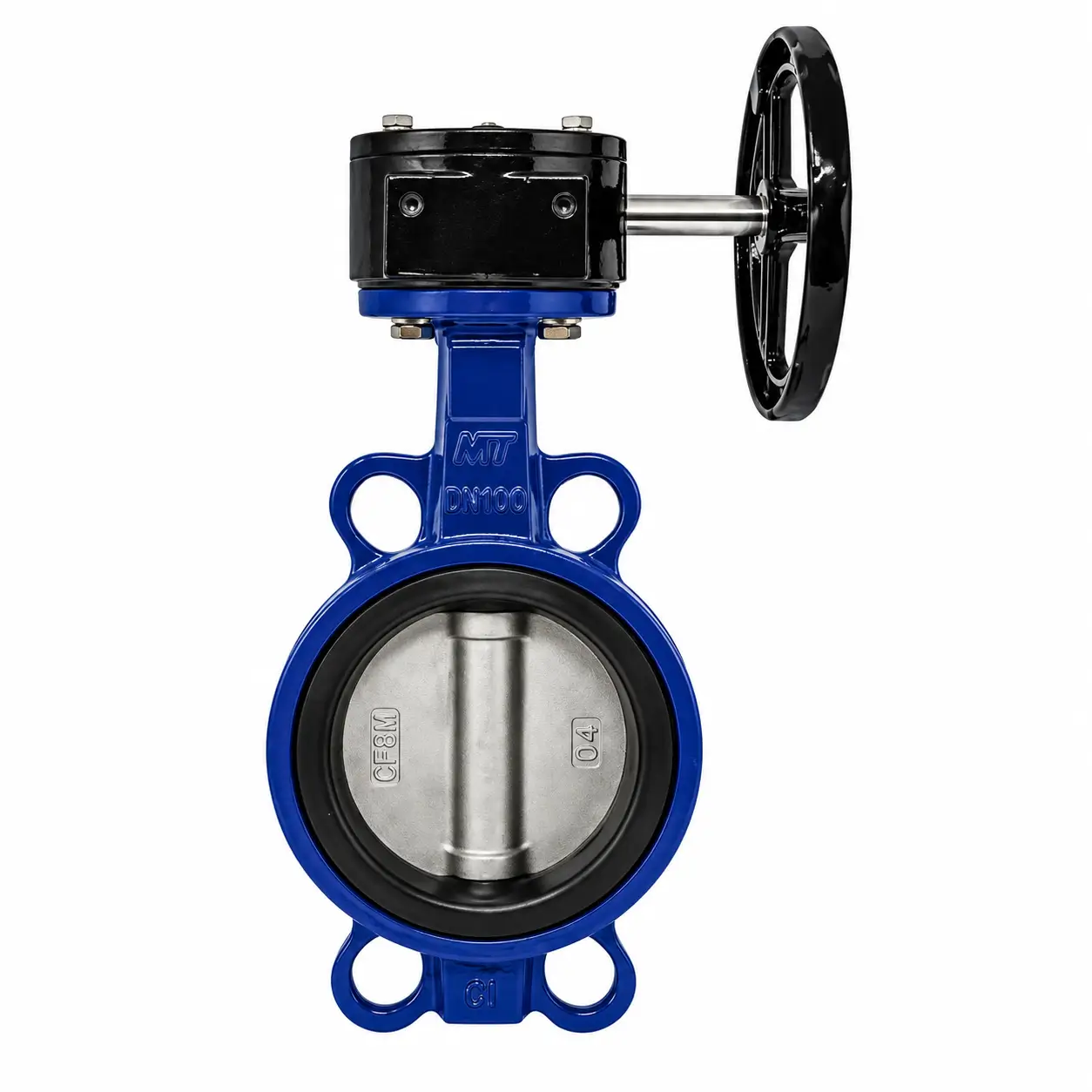
Wafer Hard Seated Butterfly Valve
Combining the features of a wafer-type design and metal seals, it is suitable for industrial systems that require higher temperature resistance.
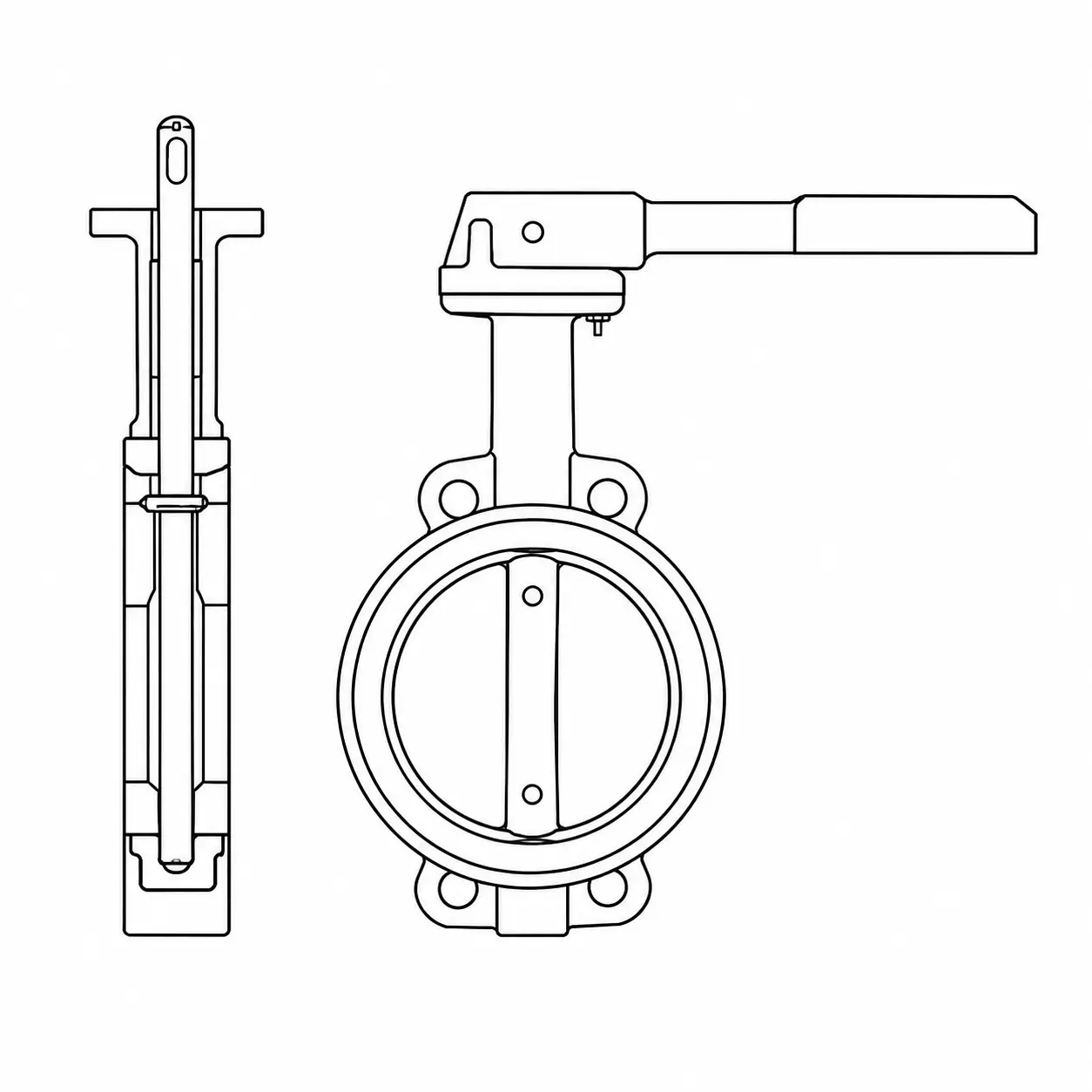
Custom Butterfly Valve Design
Seat, Disc and Liner Material Selection
The sealing performance and service life of a butterfly valve depend largely on the choice of materials for the seat, disc, and liner. Different media, temperatures, pressures, and operating environments place varying demands on the materials’ corrosion resistance, wear resistance, and sealing performance.
| Application Condition | Recommended Material Selection | Selection Focus |
|---|---|---|
| Clean Water / General Water Systems | Soft Seat + Carbon Steel or Stainless Steel Disc | Reliable sealing, corrosion resistance, and cost-effective performance |
| Cooling Water / HVAC Systems | Soft Seat + Stainless Steel Disc | Stable operation, frequent operation capability, and durability |
| Industrial Process Fluids | Stainless Steel Components + Suitable Seat Material | Medium compatibility and long service life under industrial conditions |
| Corrosive Media | CF8/F304 or CF8M/F316 Stainless Steel + Compatible Seat/Liner Material | Corrosion resistance and chemical compatibility |
| High Temperature Applications | Metal Seat + Heat-Resistant Materials | Temperature resistance and reliable sealing performance |
| High Pressure / High Differential Pressure Service | Metal Seat + Wear-Resistant Disc Material | Strength, wear resistance, and reliable shut-off performance |
| Steam Systems | Metal Seat + Temperature-Resistant Materials | High temperature capability and sealing stability |
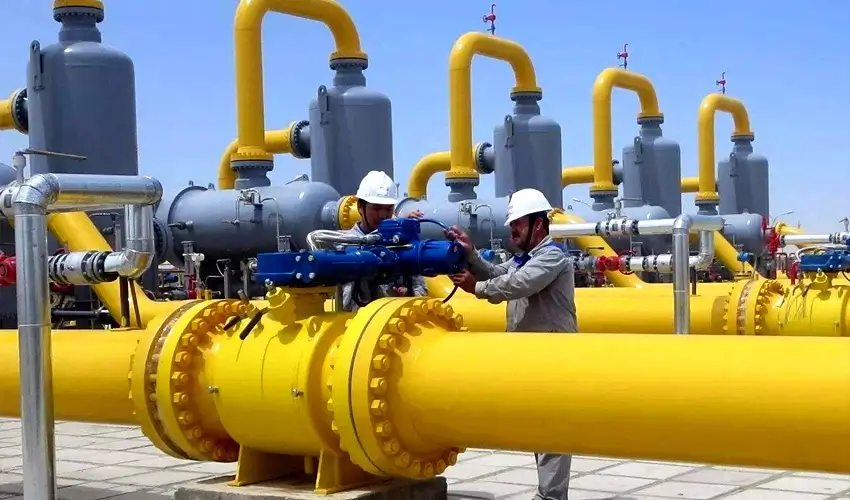
| Oil & Gas Applications | Suitable Steel / Stainless Steel Combination + Compatible Sealing Material | Pressure resistance and sealing reliability |
Actuation Options
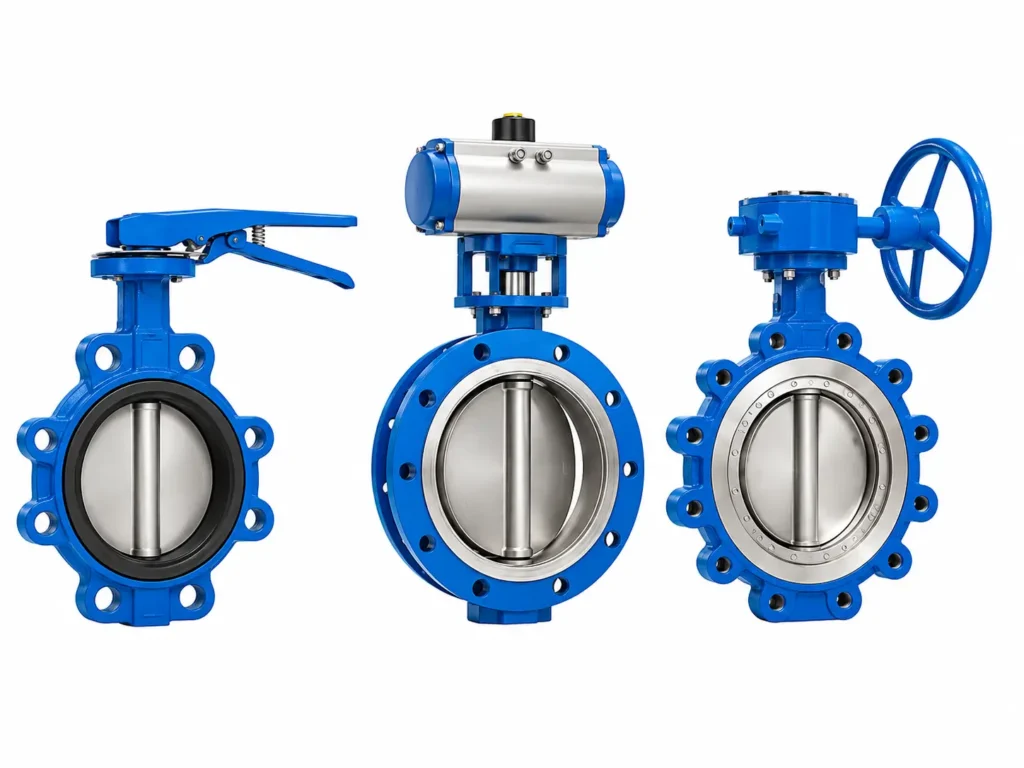
Manual Butterfly Valve: Operated via a handle or worm gear mechanism, this is a commonly used configuration featuring a simple structure and easy maintenance. It is suitable for piping systems with low operating frequencies.
Pneumatic Butterfly Valve: Driven by compressed air to open and close the valve, it is suitable for industrial systems requiring automated control.
Electric Butterfly Valve: Controlled by an electric actuator, it is suitable for applications requiring remote operation or automated control.
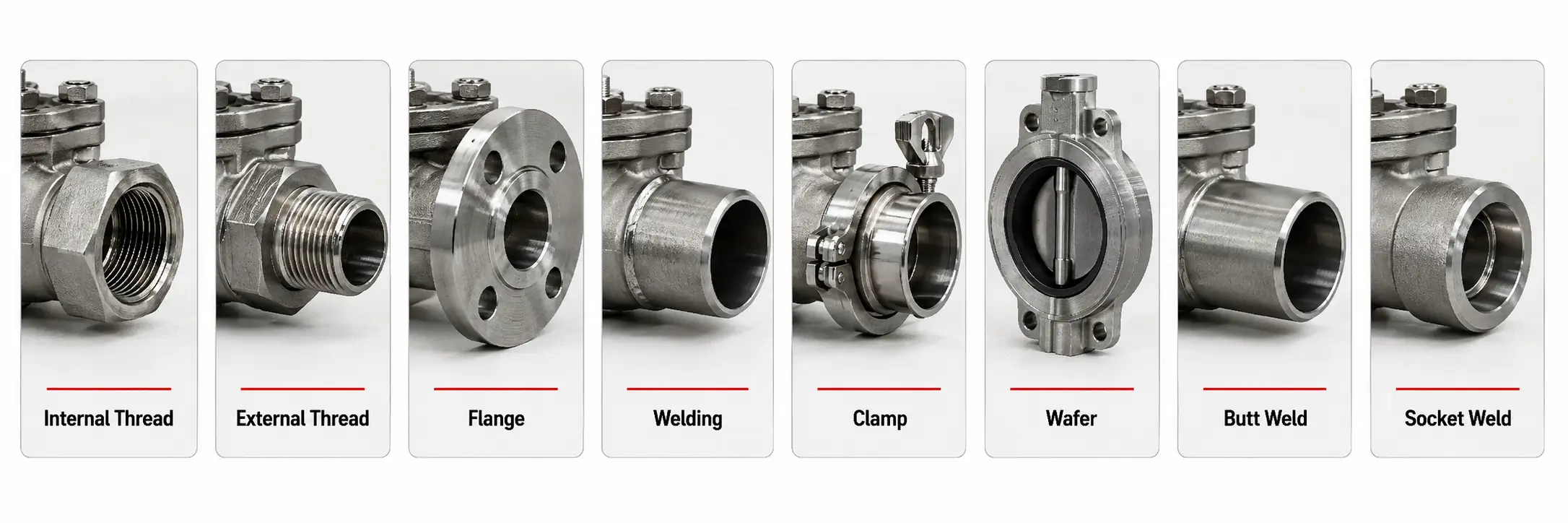
Various Connection Types
In industrial projects, butterfly valves must comply with the corresponding connection methods and installation requirements.
API 609 Testing and Certifications
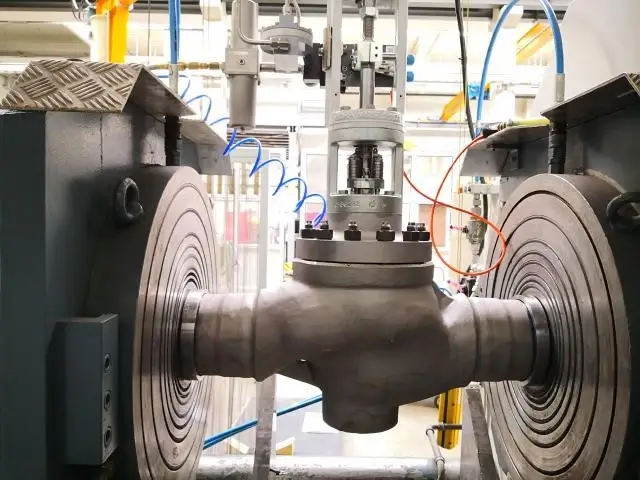
When butterfly valves are used in industrial piping systems, in addition to considering valve size and materials, it is also necessary to verify that the valve’s structural design, sealing performance, and pressure-bearing capacity meet project requirements.
Depending on the specific application environment and customer technical specifications, butterfly valves must undergo appropriate inspections and tests, including pressure testing, sealing performance checks, material verification, and dimensional inspections.
Our butterfly valve products can be tested and supported with documentation according to project requirements, helping you confirm whether the products meet the specific needs of your application.
Butterfly Valve Applications
Butterfly valves are widely used in various fluid conveyance systems, primarily to prevent reverse flow of the medium and protect pumps, pipelines, and critical equipment.
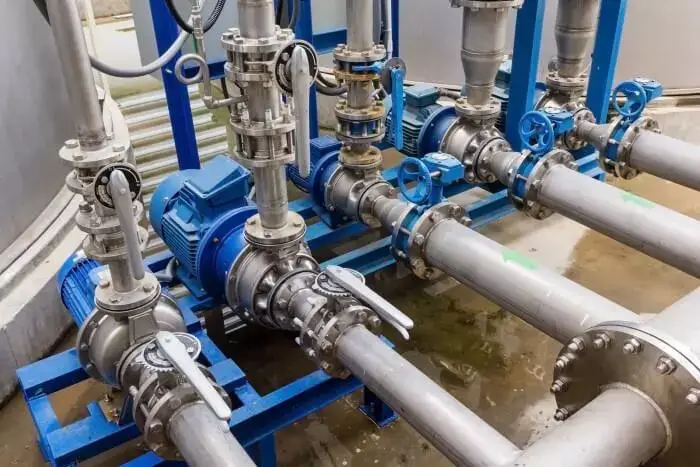
Water Treatment Systems
Water treatment is one of the most common applications for butterfly valves.
Soft-seal butterfly valves are suitable for general water systems, while higher temperatures or special operating conditions require further verification of the sealing design.
Butterfly valves are commonly used in:
- Raw water conveyance
- Water purification systems
- Wastewater treatment
- Circulating water lines
- Pump station pipeline control
HVAC and Building Services
Butterfly valves are commonly used in HVAC systems to control the circulation of hot and cold water.
Typical Applications:
- Chilled water systems
- Cooling water systems
- Air conditioning circulation lines
- Building service piping
Because HVAC systems require a large number of valves and demand compact installation spaces, butterfly valves are widely adopted due to their simple design and relatively light weight.
Industrial Process Systems
In industrial production processes, butterfly valves are primarily used to control the flow of various industrial media.
Applications include:
- Process piping
- Equipment inlets and outlets
- Conveyance systems
- Utility piping
Steam and Thermal Systems
For steam and high-temperature media systems, special attention must be paid to the materials and sealing design of butterfly valves.
When applying butterfly valves in steam systems, the following factors must be carefully verified:
- Operating temperature
- Pressure rating
- Seal material
- Disc and body materials
Standard soft-seal butterfly valves are not suitable for all high-temperature steam applications; selection must be based on actual operating parameters.
Looking for the Right Valve?
Tell us your medium, pressure, temperature, valve size or application. Our team will help you find a suitable valve solution and provide a quotation.
Butterfly Valve FAQ
1. What Is the Difference Between Soft Seated and Hard Seated Butterfly Valves?
| Comparison | Soft Seated Butterfly Valve | Hard Seated Butterfly Valve |
|---|---|---|
| Sealing Material | Elastic sealing material | Metal sealing structure |
| Main Advantage | Good shut-off performance | Higher temperature and wear resistance |
| Typical Use | Water and general industrial fluids | Higher temperature or demanding applications |
| Selection Focus | Medium compatibility and temperature | Temperature, pressure and wear conditions |
2. What Is a Butterfly Valve?
A butterfly valve is an industrial valve that opens, closes, and regulates flow by rotating a disc.
Compared to some traditional valve designs, butterfly valves are compact, lightweight, require less installation space, and are easy to operate.
3. How Do I Choose Between Wafer and Flanged Butterfly Valves?
For general industrial piping, water systems, and HVAC systems, choose a wafer-type butterfly valve.
For large piping systems, choose a flanged butterfly valve.
4. Can Butterfly Valves Handle Corrosive Media?
Yes, but you must choose a stainless steel material system.
5. Do Butterfly Valves Require Regular Maintenance?
Although butterfly valves have a relatively simple structure, regular inspections of their seal integrity, operating torque, actuator performance, and the condition of connecting components are still necessary during long-term operation.
The maintenance interval depends on the medium, operating frequency, and temperature and pressure conditions.