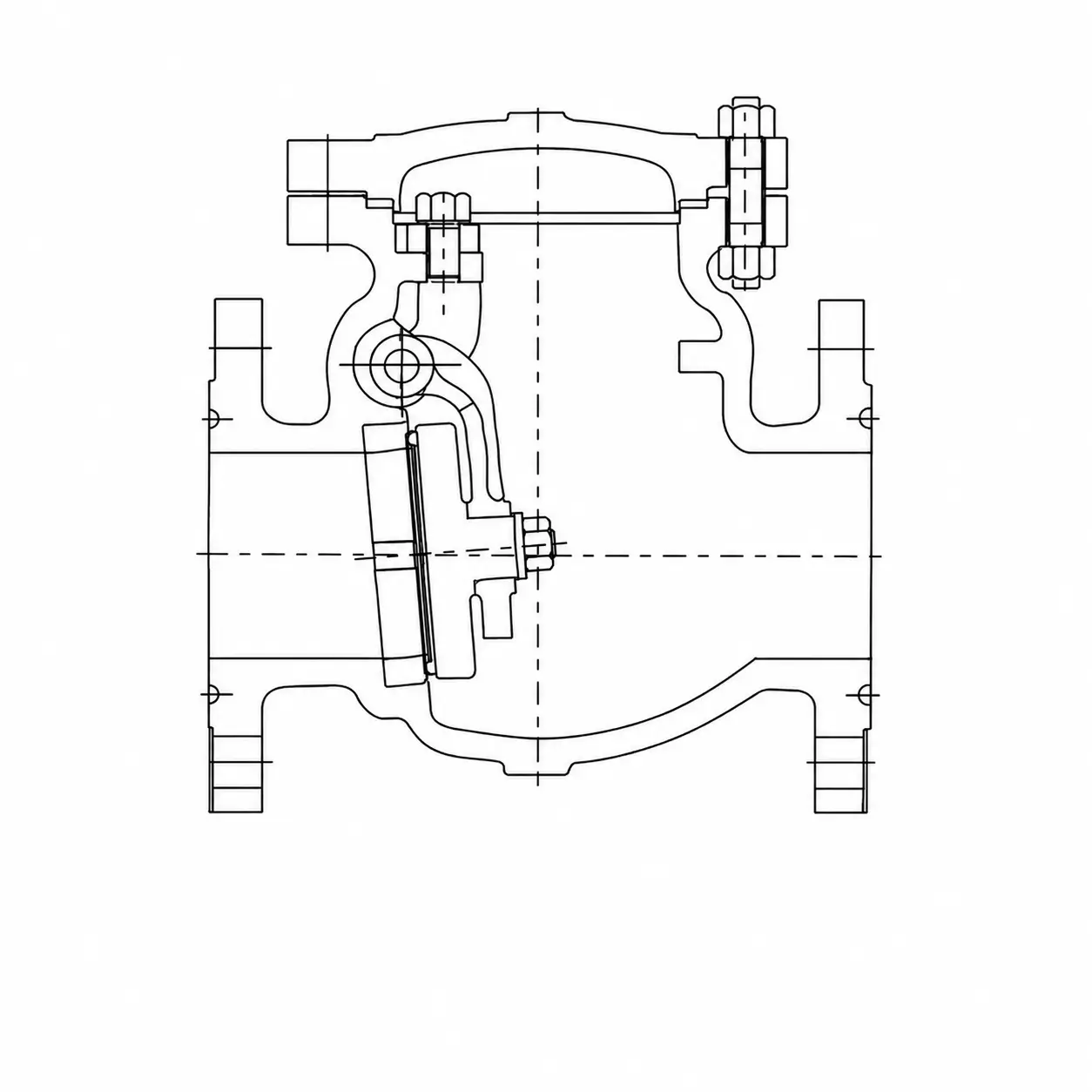
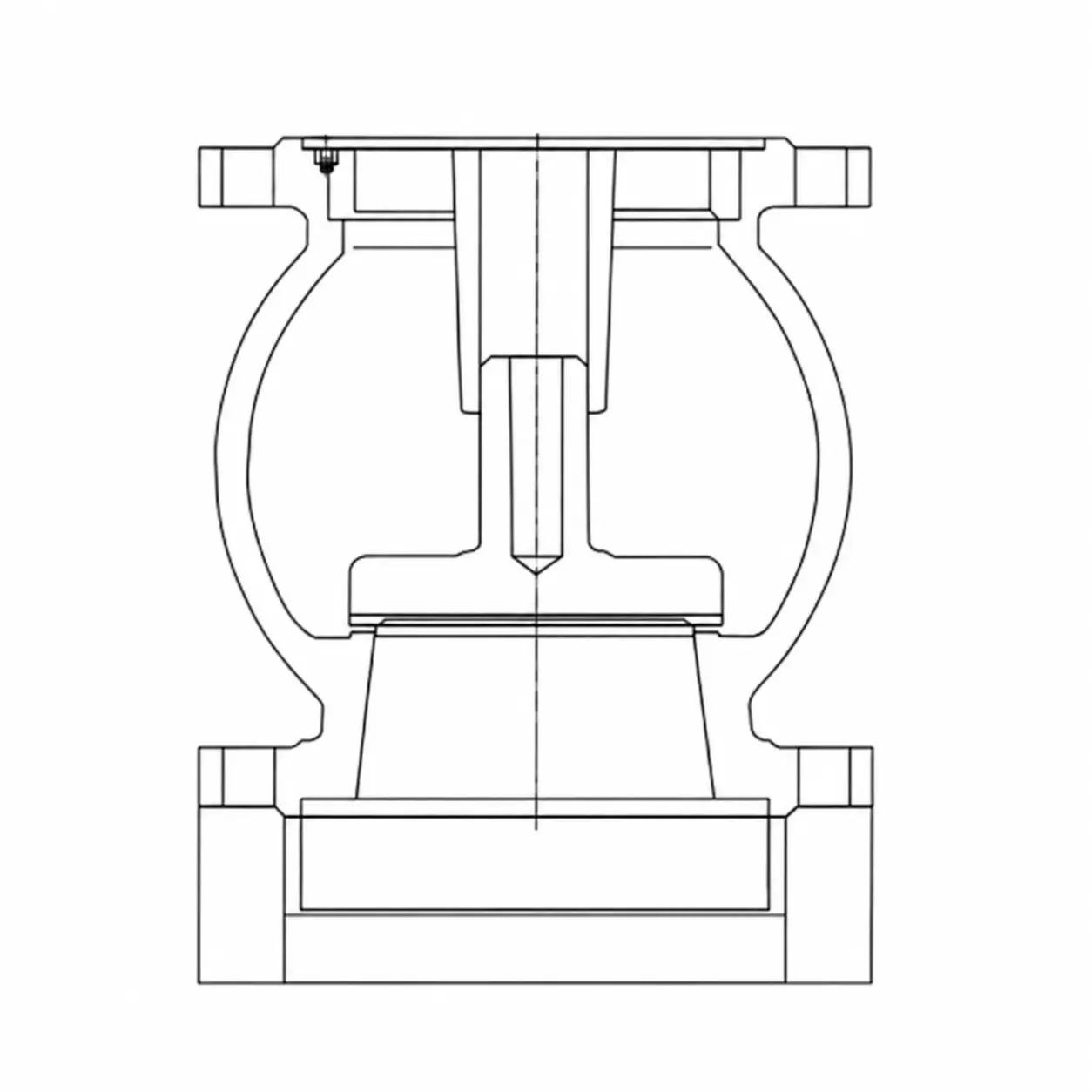
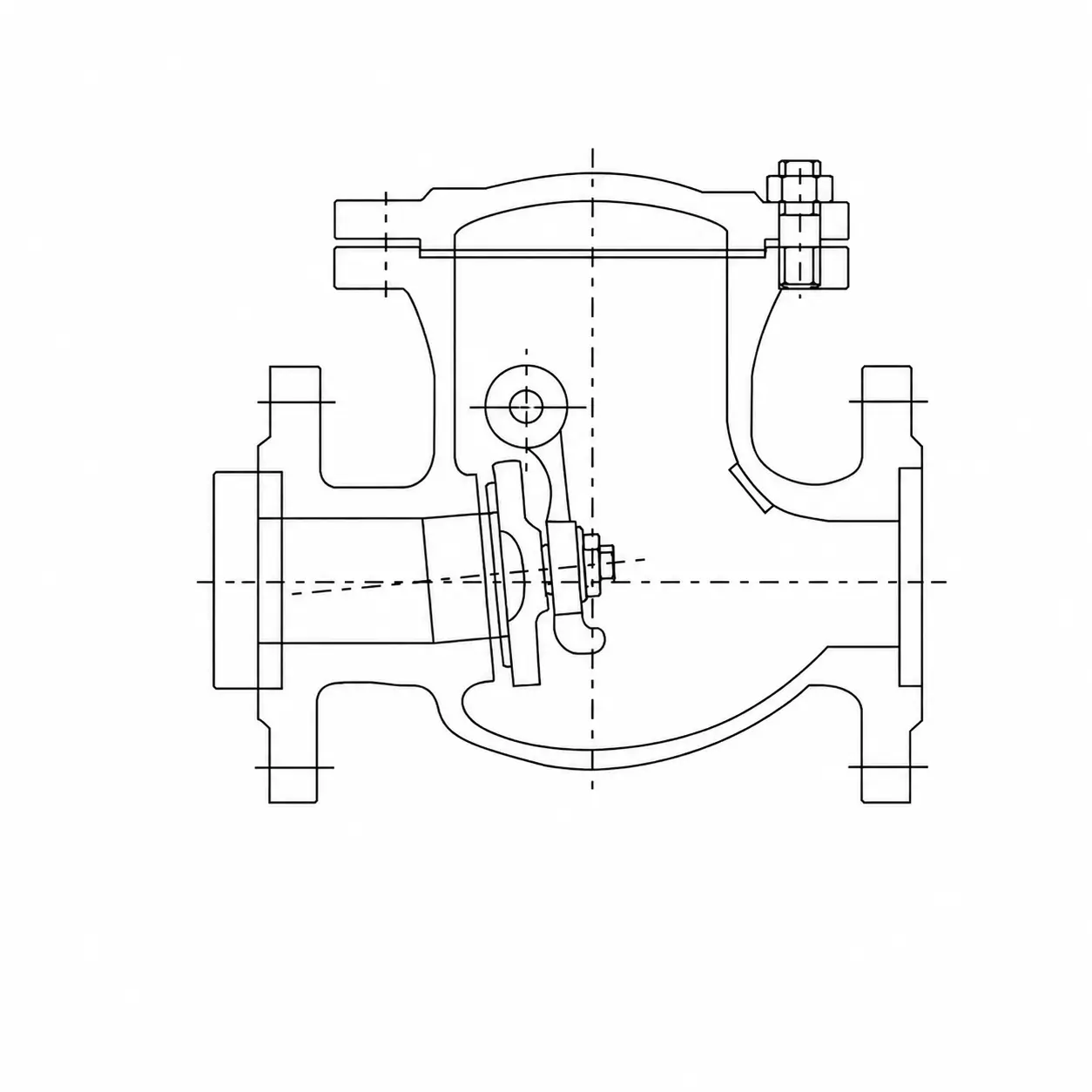
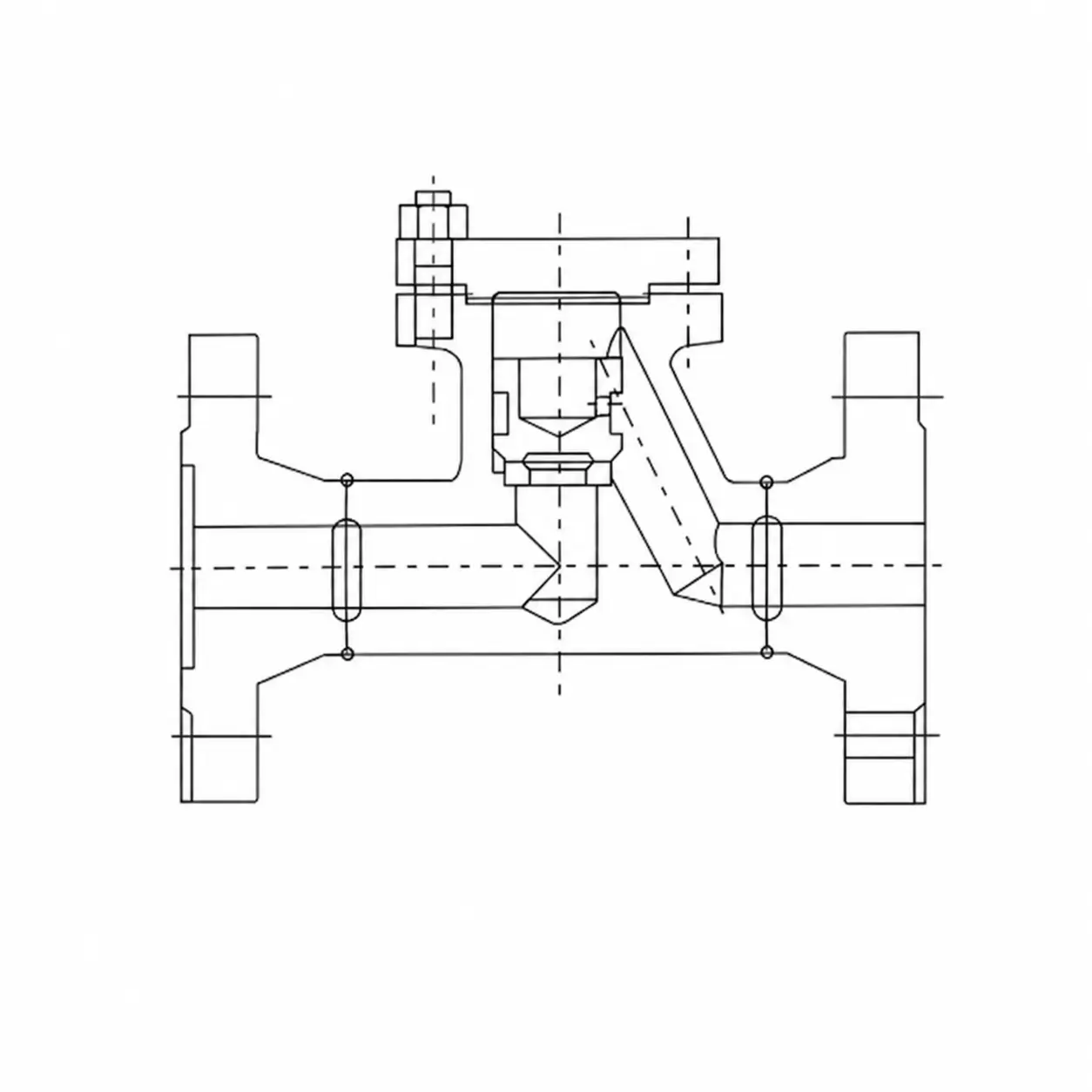
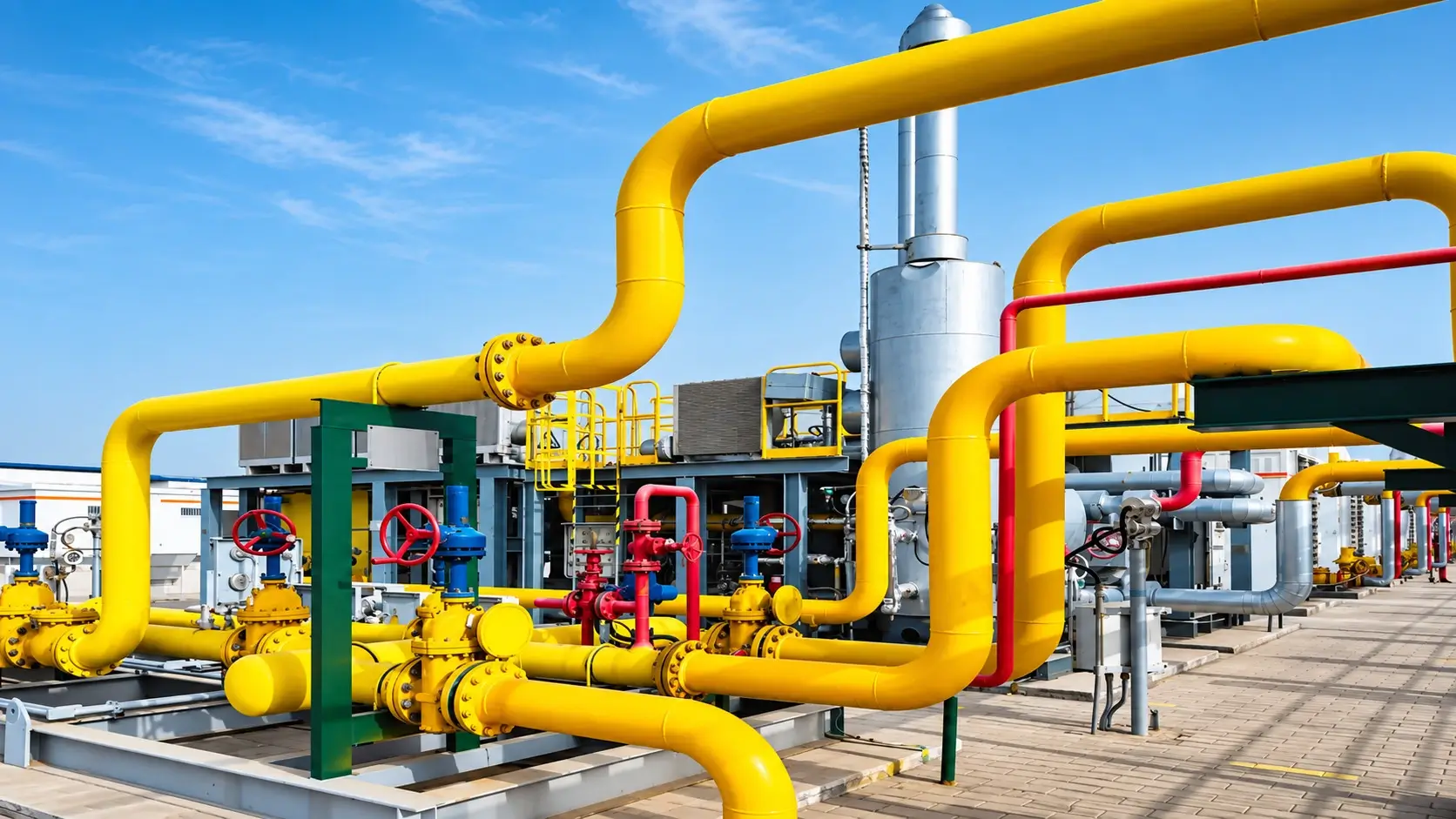
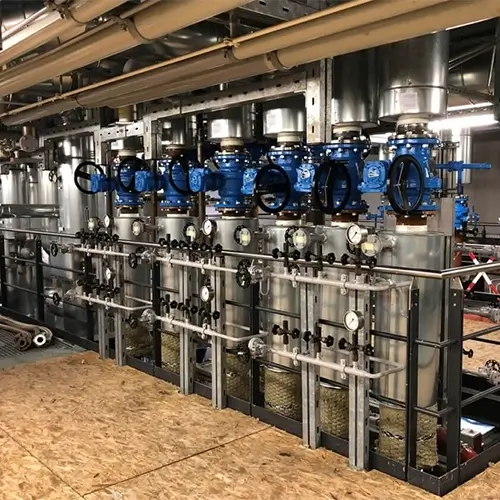
Pressure Relief Valve Manufacturer
Reliable pressure protection solutions for industrial systems.
Our pressure relief valve solutions are selected according to operating pressure, temperature, medium characteristics and application requirements to help protect equipment from overpressure conditions.
Pressure Relief Valve Product Range
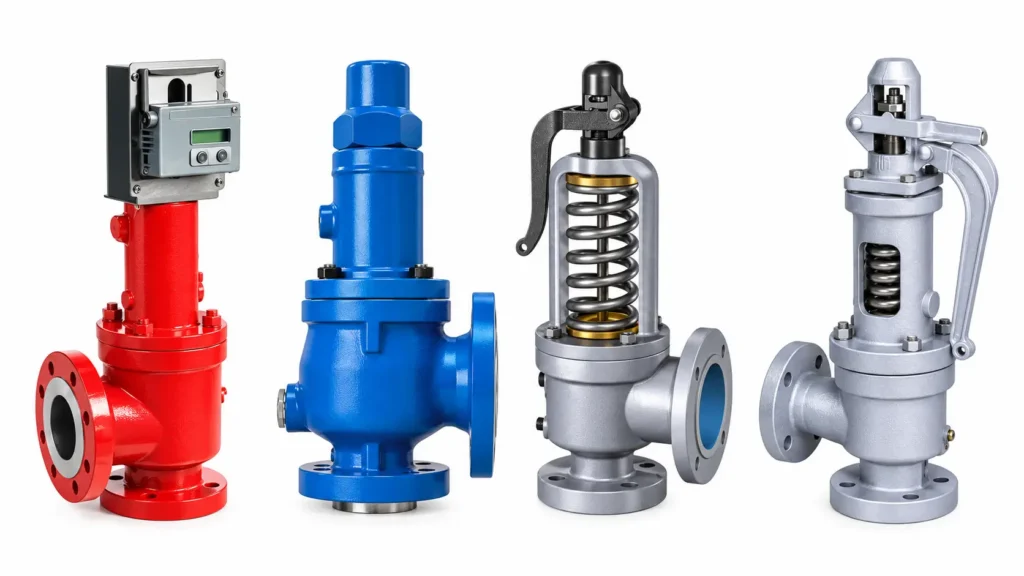
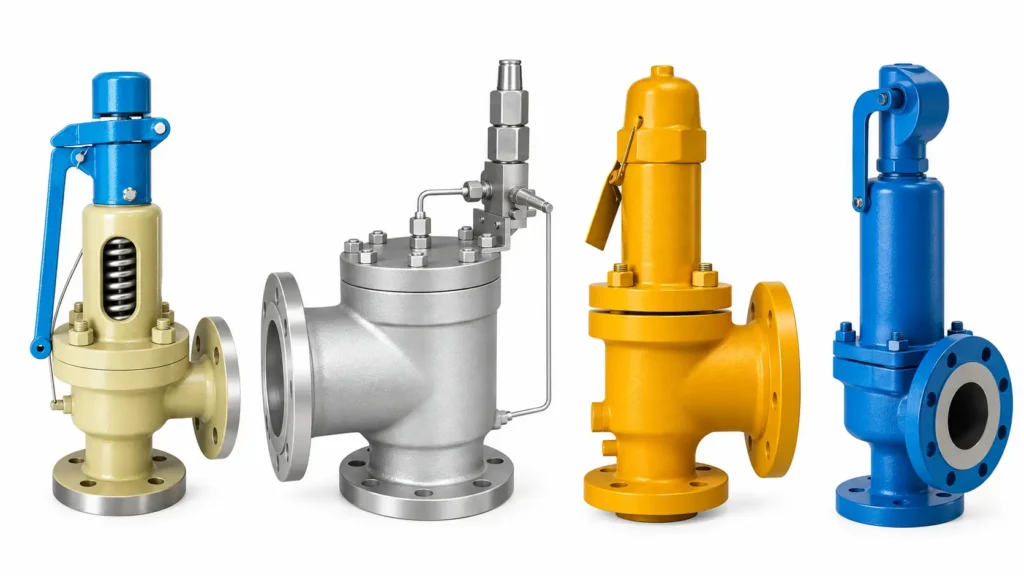
Pressure relief valves are primarily used to prevent systems from exceeding their design pressure due to abnormal pressure increases. They automatically open to release the pressure of the medium, thereby helping to protect equipment and piping systems. Different applications have varying requirements for the structure, materials, connection methods, and set pressure of pressure relief valves.

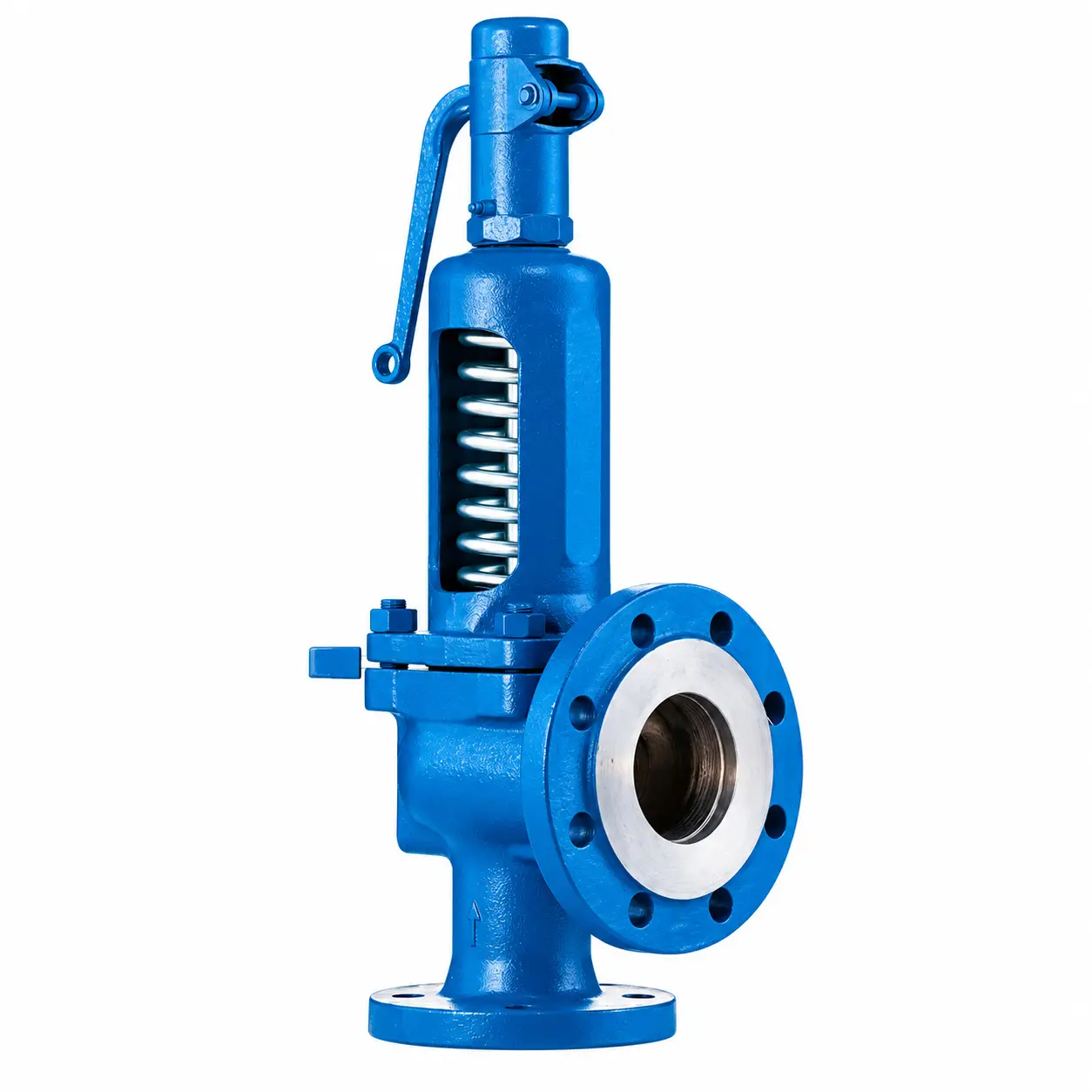
Spring Loaded Pressure Relief Valve
A common pressure protection mechanism in industrial systems that uses spring preload to control the valve’s opening pressure

Gas / Steam Pressure Relief Valve
Used in steam pipelines, gas systems, and industrial equipment. Temperature, flow rates, and valve response characteristics are taken into account.

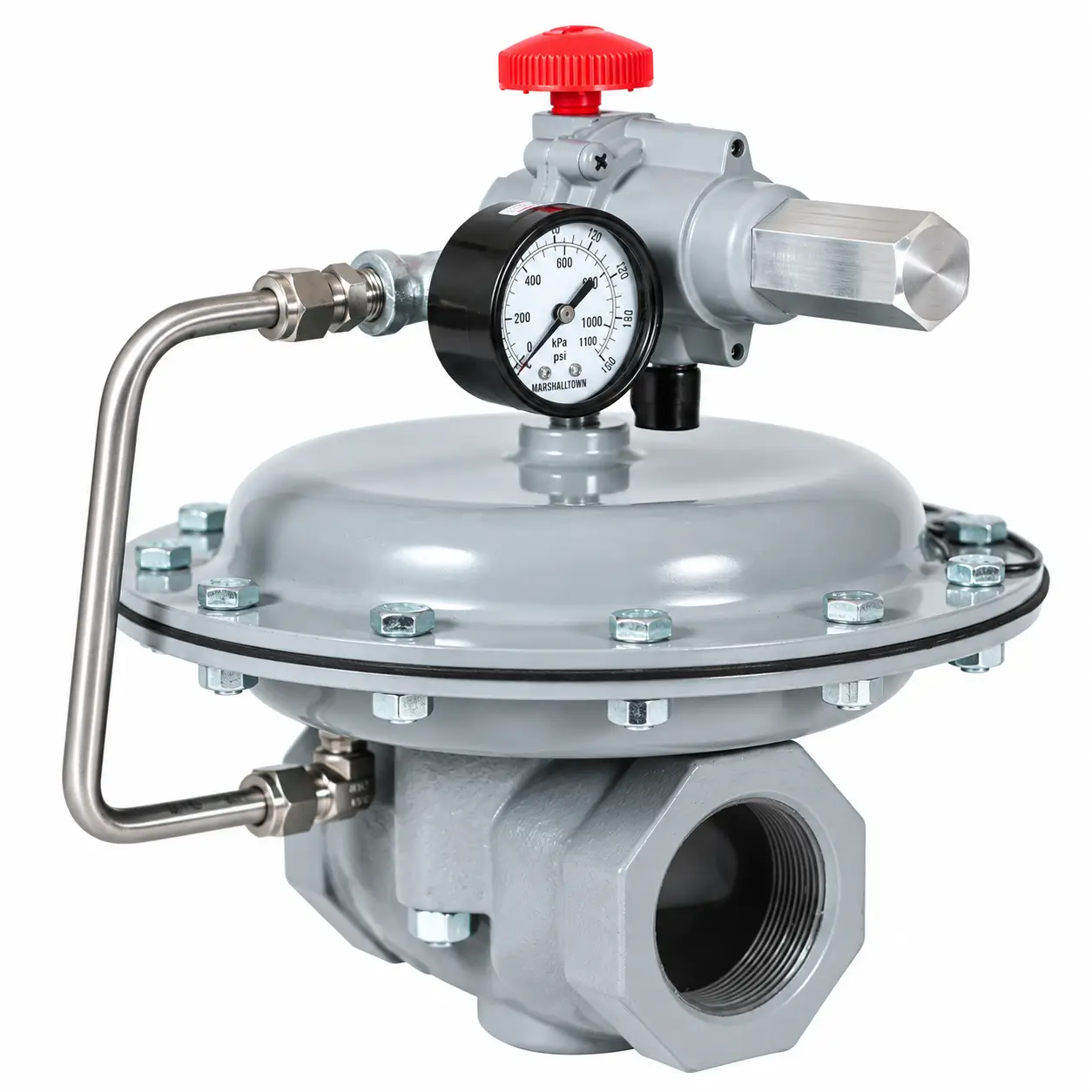
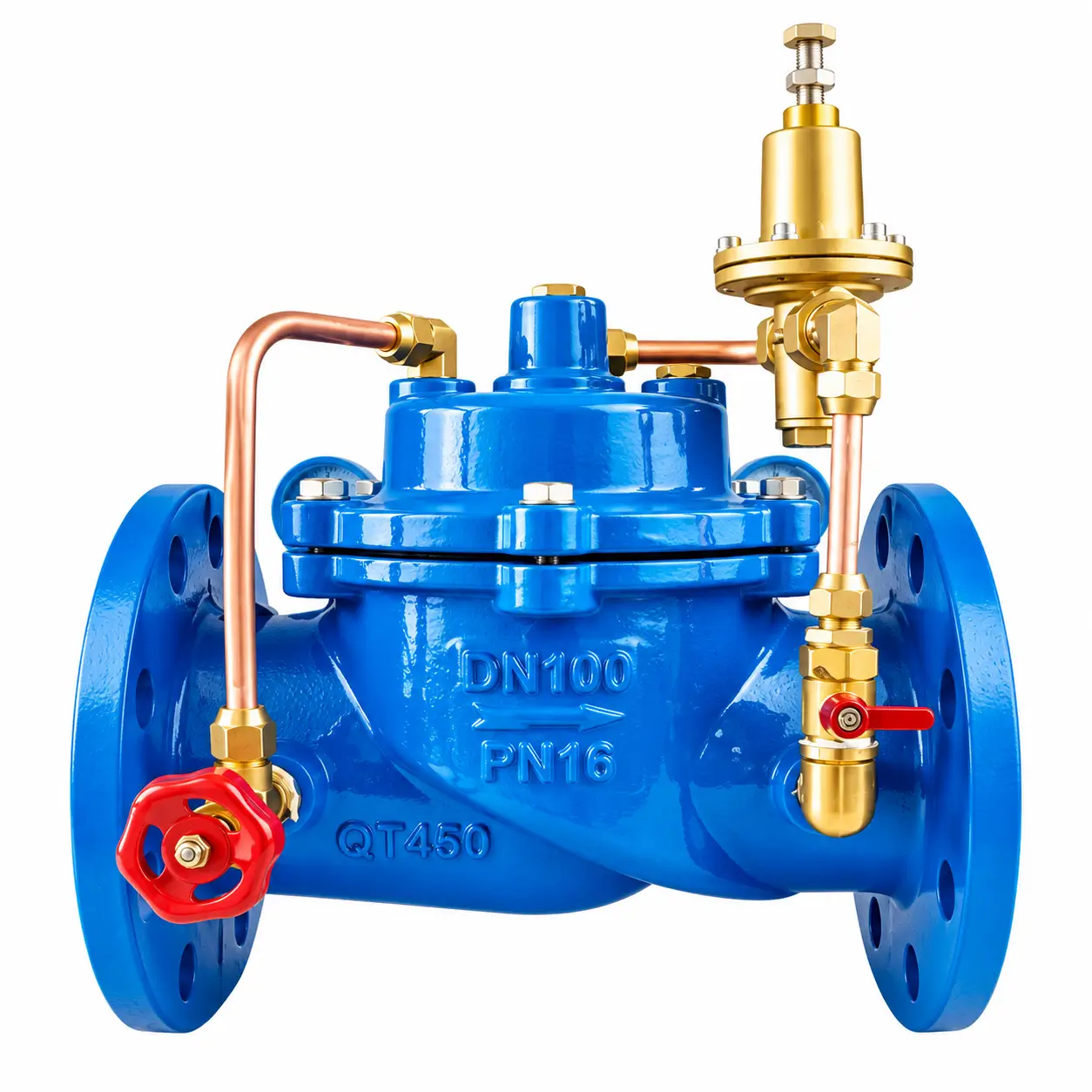
Pilot Operated Pressure Relief Valve
Opening is controlled via an auxiliary control mechanism. Designed for high-pressure systems and applications requiring high flow rates.
Custom Pressure Relief Valve Design
Sizing, Set Pressure and Capacity
The proper selection of a pressure relief valve depends not only on the valve size but also requires comprehensive calculations based on system pressure, the properties of the medium, and the required relief capacity.
Unlike ordinary on-off valves, the key parameters of a pressure relief valve include:
- Valve Size
- Set Pressure
- Relief Capacity
These three parameters collectively determine whether the valve can effectively protect equipment in the event of overpressure.
| Selection Parameter | Required Information | Why It Matters | Engineering Consideration |
|---|---|---|---|
| Medium | Steam / Gas / Liquid / Chemical Media | Determines calculation method and material compatibility | Different media require different capacity calculations and sealing materials |
| Operating Pressure | Normal system working pressure | Defines the regular operating condition | Valve should remain stable during normal operation and avoid unnecessary opening |
| Set Pressure | Required opening pressure | Determines when the valve starts relieving pressure | Must be selected according to equipment protection requirements |
| Maximum Allowable Pressure | Equipment or system pressure limit | Defines the upper safety boundary | Set pressure should be coordinated with equipment design requirements |
| Temperature | Operating and design temperature | Affects material selection and valve performance | High or low temperature conditions may require special materials |
| Required Relief Capacity | Required discharge flow | Determines valve size and flow area | Capacity must be sufficient to protect the system under overpressure conditions |
| Valve Size | Inlet / Outlet Connection Size | Ensures installation compatibility | Size selection should be based on calculated capacity, not pipe size alone |
| Back Pressure | Discharge system pressure | Influences valve performance | Important for discharge piping and valve operating characteristics |
| Material Selection | Body, Seat, Spring and Sealing Materials | Ensures compatibility with operating conditions | Selected according to medium, temperature and corrosion requirements |
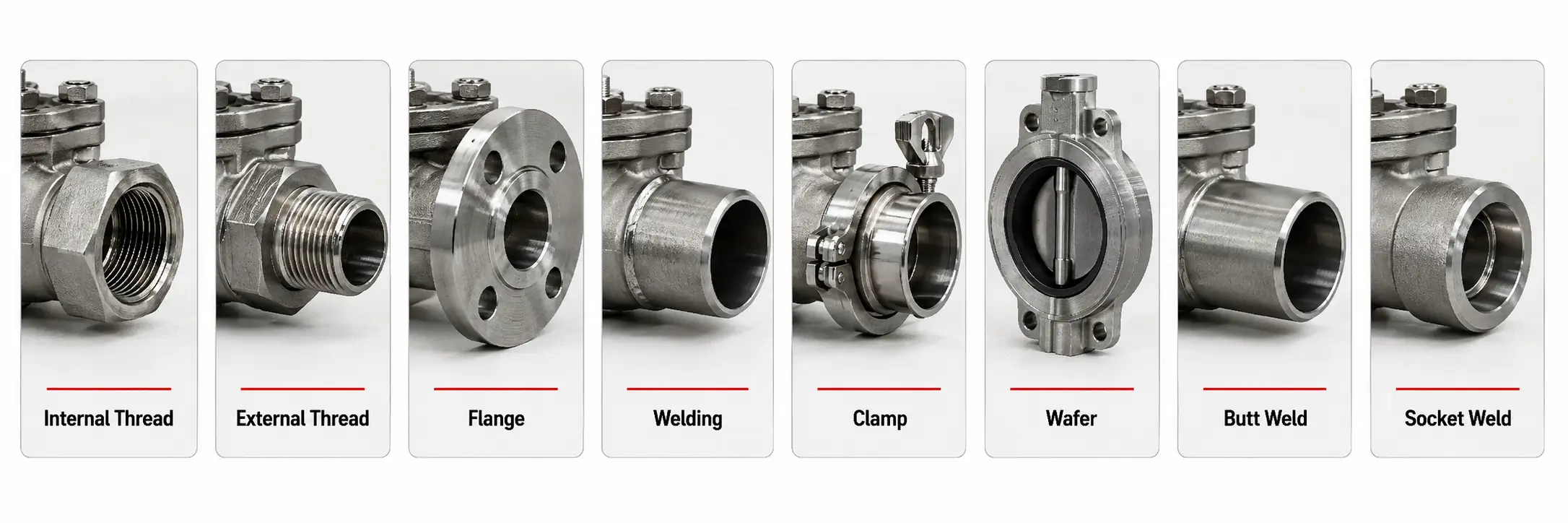
| Connection Type | Flanged / Threaded / Customized Connection | Determines installation method | Must match pipeline standards and project requirements |
| Service Condition | Continuous operation / Emergency protection | Defines operating requirements | Frequent operation and emergency-only service may require different considerations |
| Application Standard | Project specification or industry requirement | Ensures compliance with customer requirements | Applicable codes depend on market, industry and equipment type |
Various Connection Types
In industrial projects, check valves must comply with the corresponding connection methods and installation requirements.
Pressure Relief Valve Applications
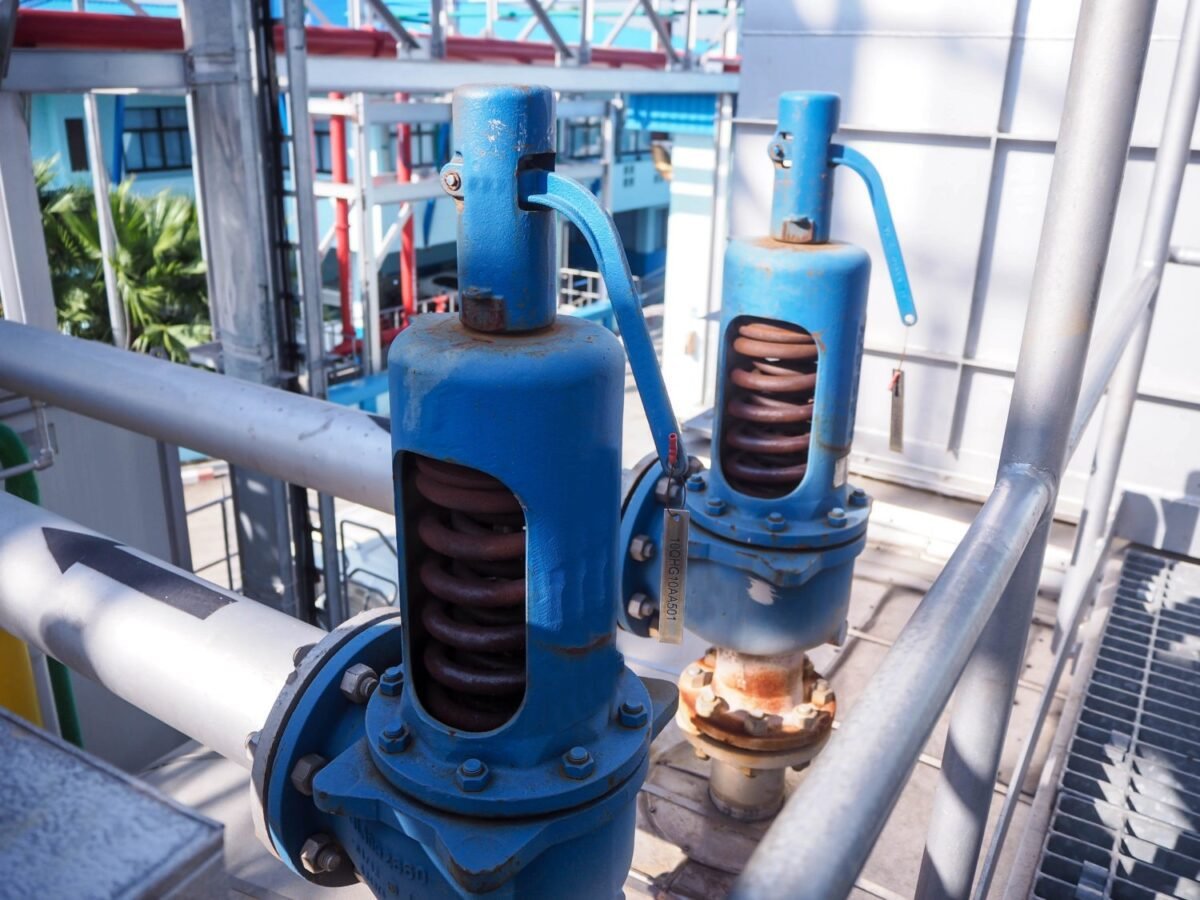
Pressure Relief Valves are primarily used for overpressure protection in industrial systems. When system pressure exceeds a preset value due to abnormal operating conditions, the pressure relief valve automatically opens to release some of the medium’s pressure, helping to protect pressure vessels, piping, and process systems.
Steam and Boiler Systems
Steam systems are subject to significant fluctuations in temperature and pressure, so they require reliable pressure relief devices.
Pressure relief valves are commonly used in:
- Boilers
- Steam headers
- Steam pipelines
- Heat transfer equipment
For boilers and steam equipment, pressure relief valves must be selected to match the equipment’s design pressure and safety requirements.
Pressure Vessel Protection
Pressure vessels must be equipped with pressure relief devices to prevent internal pressure from exceeding the design range.
Common Applications:
- Storage Tanks
- Reactors
- Process Vessels
- Gas Containers
The selection of pressure relief valves should not be based solely on vessel size; the required relief capacity must also be calculated based on actual operating conditions.
Oil and Petrochemical Systems
Petrochemical plants involve significant pressure fluctuations and a wide variety of process media, making pressure protection a critical component.
Typical Applications:
- Process Equipment
- Oil Transfer Systems
- Chemical Processing Units
- Storage Systems
For media containing corrosive or special chemical components, it is essential to verify the compatibility of the valve body and sealing materials with the media.
Gas Systems
Due to their high compressibility, gas media require rapid and reliable pressure relief protection in the event of abnormal pressure conditions.
Applications include:
- Industrial Gas Systems
- Natural Gas Systems
- Process Gas Pipelines
Looking for the Right Valve?
Tell us your medium, pressure, temperature, valve size or application. Our team will help you find a suitable valve solution and provide a quotation.
Pressure Relief Valve FAQ
1. What Is a Pressure Relief Valve?
A pressure relief valve is an automatic pressure protection device used to safeguard equipment and piping systems.
When system pressure exceeds a preset value due to abnormal conditions, the valve opens and releases some of the medium’s pressure, reducing the system pressure to a safe range.
It is primarily used for:
- – Protection of pressure equipment
- – Protection of piping systems
- – Protection of industrial process systems
The primary function of a pressure relief valve is not routine flow control, but rather to provide protection in the event of abnormal pressure conditions.
2. What Is the Difference Between a Pressure Relief Valve and a Safety Valve?
In the industrial sector, the two terms are often used interchangeably.
Pressure relief valves are primarily used in liquid media, industrial process systems, and hydraulic systems. When selecting one, the focus should be on pressure relief capacity, set pressure, and media compatibility.
Safety valves, on the other hand, are primarily used in steam systems, gas systems, and boiler equipment. When selecting one, the focus should be on rapid opening, discharge capacity, and system protection requirements.
In actual projects, the definitions and usage of these two types may vary depending on industry standards; therefore, they must be confirmed based on the specific application.
3. How Does a Pressure Relief Valve Work?
The pressure relief valve opens when the system pressure reaches the set pressure.
Operating Process:
Normal Operation: When the system pressure is below the set value, the valve remains closed.
↓
Overpressure Condition: When the system pressure reaches the set pressure, the valve opens.
↓
Pressure Relief: The medium is discharged, and the system pressure drops.
↓
Normal Condition:
Once the pressure returns to normal, the valve closes again.
4. What Testing Is Required for Pressure Relief Valves?
Common items of interest include:
- – Pressure Testing
- – Leakage Check
- – Set Pressure Verification
- – Functional Testing
5. Why Choose a Pressure Relief Valve Manufacturer?
Industrial pressure relief products require not only the valves themselves, but also:
- – The ability to select the correct model
- – The ability to match materials
- – An understanding of operating conditions
- – The ability to provide documentation support
A reliable supplier must help customers verify:
Whether the valve design is suitable → Whether the materials are properly matched → Whether the pressure setting is correct → Whether the application is safe and reliable.